
Autonomous Vehicles Weekly — 2026-05-22
New Austin crash data reveals rising incident counts for Tesla, Waymo, and Avride robotaxis — with Tesla's vehicles confirmed to be relying on remote human operators. Archer and Joby's legal battle over California air taxi dominance intensified this week, while Stellantis struck a landmark partnership with UK startup Wayve targeting a 2028 driver-assist launch.
Autonomous Vehicles Weekly — 2026-05-22
Top Stories
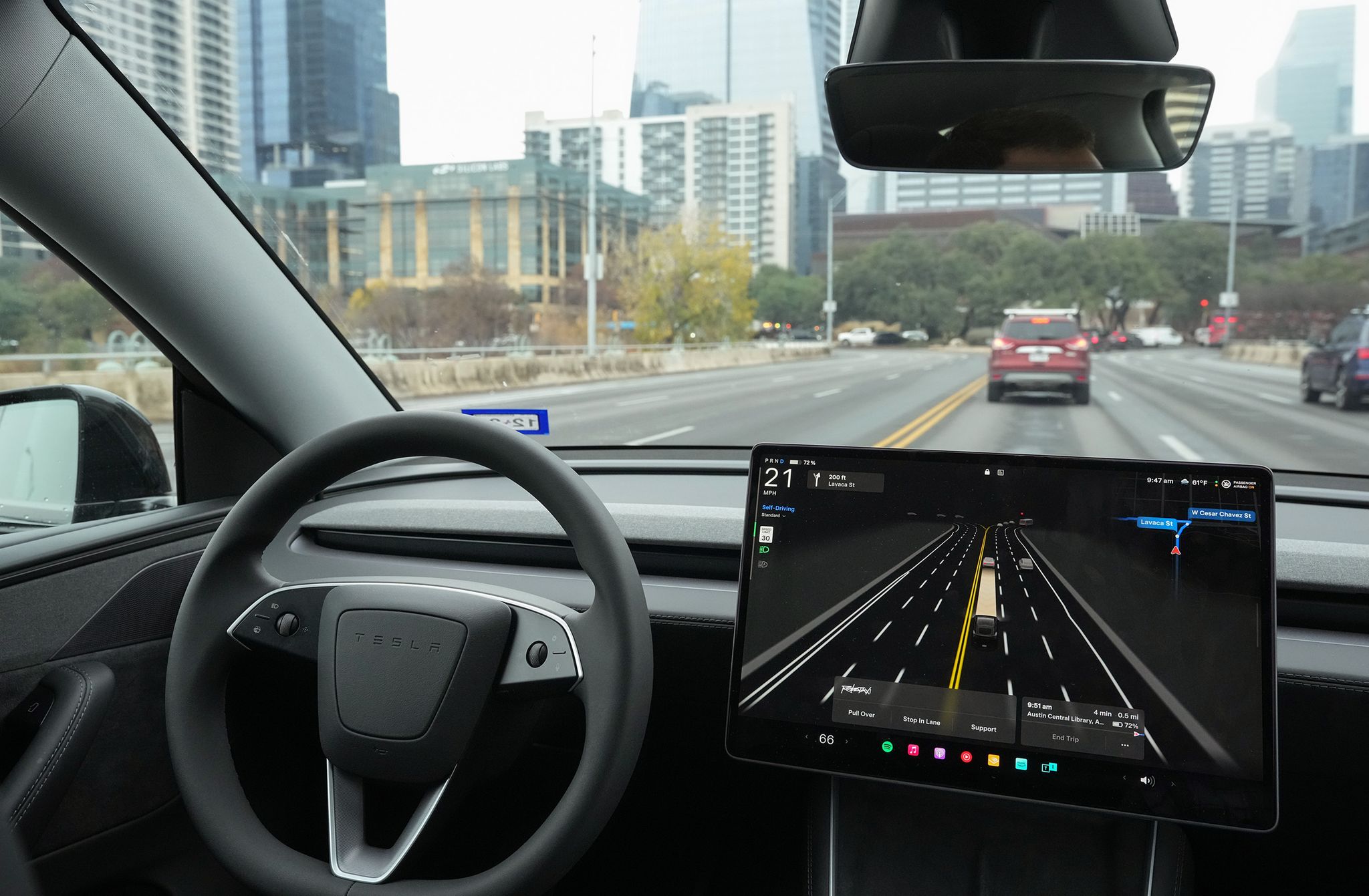
Austin Crash Data Exposes Tesla's Remote Operator Reliance
- What happened: New NHTSA data from Austin reveals increasing crash counts across Tesla, Waymo, and Avride robotaxi fleets. Crucially, the data confirms that Tesla's robotaxis are being assisted by remote human operators and are still running with onboard safety monitors — a significant caveat to their autonomy claims.
- Why it matters: The data raises serious questions about the true level of autonomy in Tesla's robotaxi service at a time when the company has been marketing it aggressively. Remote operator dependency complicates regulatory classification of these vehicles as fully autonomous and could have insurance and liability implications.
- Key players: Tesla, Waymo, Avride, NHTSA
Archer vs. Joby: California's Air Taxi Legal War Heats Up
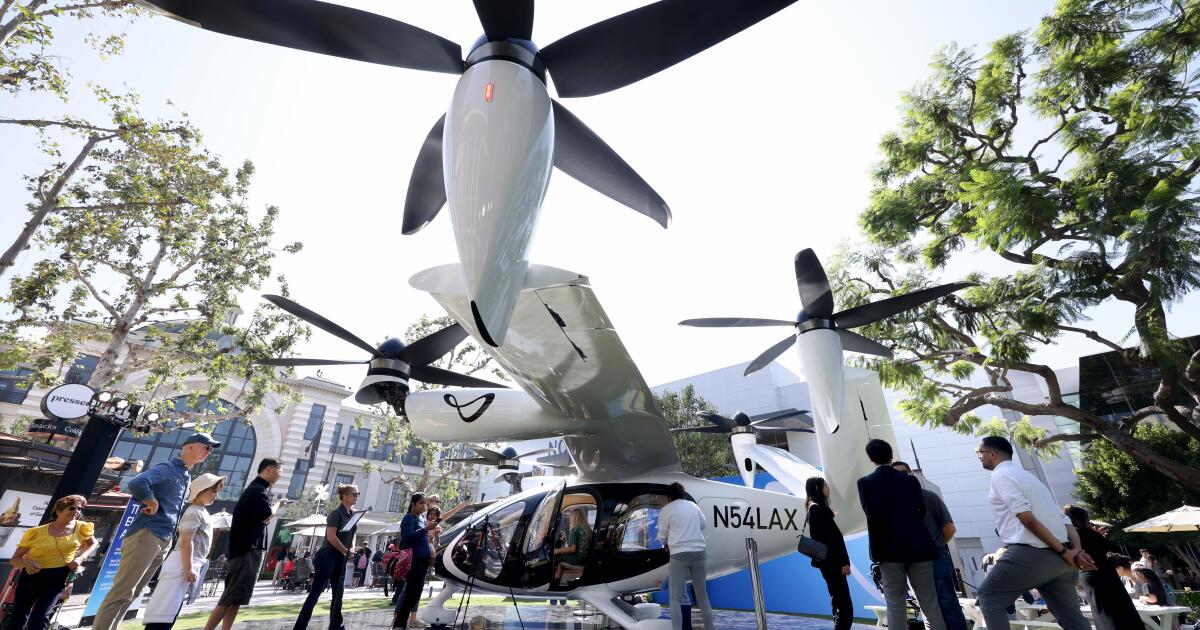
- What happened: The Los Angeles Times reports that Archer and Joby Aviation are embroiled in an intensifying legal battle spanning more than six months over their competing claims to dominate the California air taxi market, even as both companies say they expect to begin commercial flights in U.S. cities this year.
- Why it matters: The lawsuit signals that the eVTOL sector is moving from cooperative competition to cutthroat rivalry as commercial launch timelines converge. Legal distractions and costs could slow both companies' regulatory and operational progress at a critical moment.
- Key players: Archer Aviation, Joby Aviation, California courts

Stellantis and Wayve Target 2028 for Driver-Assist Launch
- What happened: Stellantis and British autonomous driving startup Wayve announced a strategic partnership on May 21 to integrate Wayve's AI-powered driver-assistance technology into Stellantis vehicles, with a target launch date of 2028.
- Why it matters: The deal is a significant vote of confidence in Wayve's AI-first approach to autonomous driving and signals that major legacy automakers are still actively partnering with startups rather than building fully in-house. It also positions Stellantis to compete in the ADAS market ahead of a new regulatory cycle.
- Key players: Stellantis, Wayve
Self-Driving Cars & Robotaxis
-
Tesla: New NHTSA crash data from Austin reveals that remote operators — not the vehicle's AI — drove Tesla robotaxis into a metal fence and a construction barricade in previously undisclosed incidents. The vehicles also continue to operate with onboard safety monitors present, according to WIRED's reporting.
-
Tesla/Waymo/Avride: Austin crash incident rates are increasing across all three robotaxi operators active in the city, per fresh NHTSA data. The figures underscore that even leading operators face growing scrutiny as fleets expand.
-
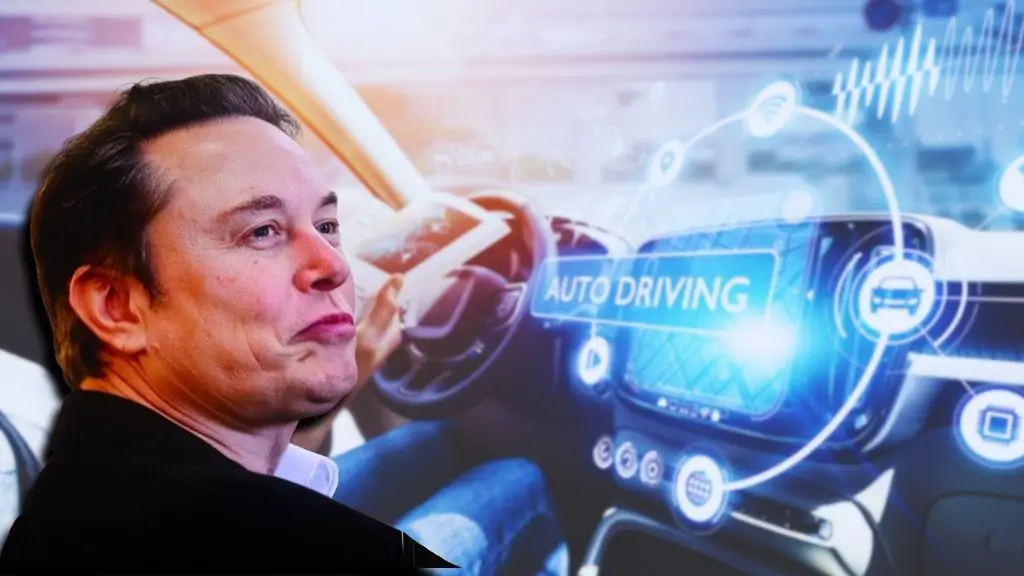
Elon Musk / Industry: Musk publicly predicted this week that self-driving cars will handle 90% of all vehicle miles within a decade, even as both Tesla and Waymo face new federal safety scrutiny and recalls.
- Nuro/Uber: Nuro received a driverless testing permit from California regulators — a key milestone before Uber can launch its premium robotaxi service using Lucid vehicles. Nuro and Uber are currently testing in autonomous mode with a human safety operator still in the driver's seat.
Drones & Urban Air Mobility
-
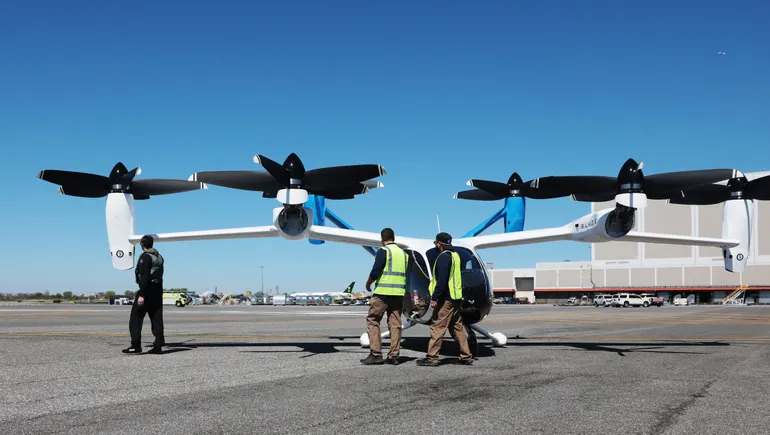
Archer vs. Joby (Legal): The two leading U.S. eVTOL companies are locked in a complex legal battle that has lasted more than six months, even as both publicly maintain they will launch commercial air taxi services in U.S. cities before the end of 2026. Archer CEO Adam Goldstein has stated the goal is for "half a million people in the biggest cities in the country" to use eVTOLs as part of their daily commute.
-
Archer/Joby (Commercial Outlook): Both companies expect to begin commercial air taxi operations in U.S. cities this year, according to Smart Cities Dive reporting from this week. Wisk and Supernal are also named as additional operators watching the competitive landscape closely.
Regulation & Policy
-
NHTSA / Austin: Newly published NHTSA data covering robotaxi operations in Austin shows crash rate increases for Tesla, Waymo, and Avride. The data also highlights that Tesla's system relies on remote operators for certain maneuvers, complicating its regulatory classification. This is one of the most detailed datasets released by NHTSA on commercial robotaxi incident rates to date.
-
California DMV / Nuro: Nuro cleared a key hurdle this week, receiving a driverless testing permit from California — one of three regulatory approvals needed before Uber can launch a fully driverless premium robotaxi service. Remaining requirements include a driverless ride-hailing permit from the California PUC and a deployment permit from the DMV.
Business & Investment
-
Stellantis / Wayve: Stellantis and AI driving startup Wayve announced a strategic partnership on May 21 to co-develop and deploy Wayve's technology in Stellantis vehicles, targeting a 2028 driver-assist launch. The deal represents one of the most significant European-linked AV partnerships of 2026.
-
EZGO Technologies: The company signed a three-party strategic framework agreement this week forming an alliance aimed at U.S. autonomous vehicle production. EZGO plans to invest in Autotrax.ai, with the partnership targeting self-driving delivery vehicles assembled in California for a projected 2027 U.S. market debut. The alliance combines lithium battery technology, iChassis hardware, and U.S. autonomous driving engineering.
Technology & Innovation
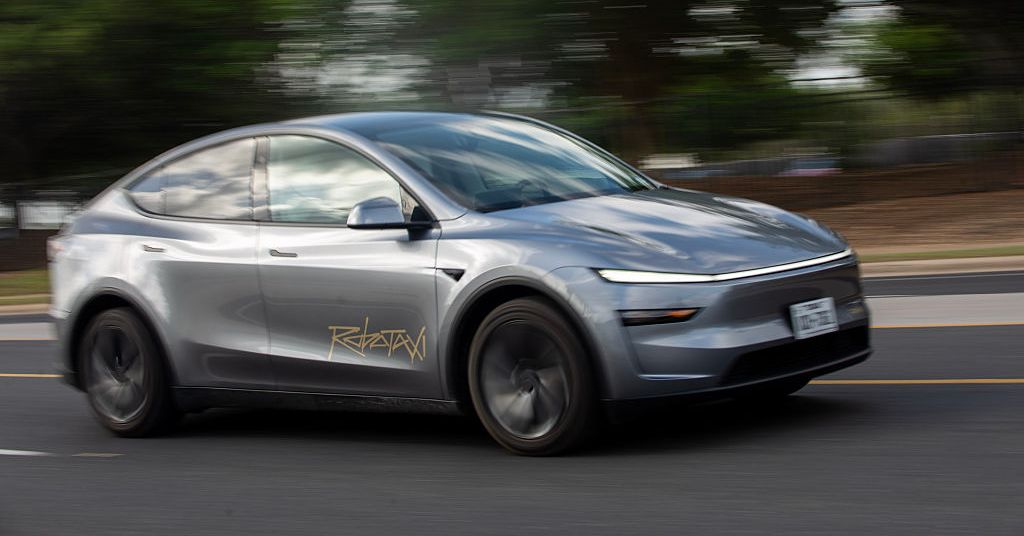
- Tesla Robotaxi (Remote Operations): WIRED's deep-dive this week into Tesla's NHTSA crash disclosures reveals the specific role remote operators played in recent incidents: human teleoperators — driving vehicles at low speed — were responsible for two collisions involving a metal fence and a construction barricade. The disclosure underlines the gap between Tesla's public autonomy narrative and current operational reality.
- Wayve (AI Driver-Assist): Wayve's AI-first autonomous driving stack — the technology behind its new Stellantis partnership — uses end-to-end neural networks trained on diverse driving environments, distinguishing it from sensor-fusion approaches used by competitors like Mobileye. The 2028 launch target will be a real-world test of whether this approach can scale to mass-market vehicles.
What to Watch Next Week
- Austin NHTSA data fallout: Watch for regulatory responses or congressional attention following the new Austin crash data, particularly regarding Tesla's remote operator disclosures.
- Archer-Joby legal proceedings: Monitor for court filings or potential settlement developments as the California legal battle intensifies ahead of both companies' expected 2026 commercial launches.
- Nuro/Uber permitting: Nuro's next step is a California PUC driverless ride-hailing permit — any decision here would be a major signal for Uber's robotaxi timeline.
- Stellantis/Wayve partnership details: Both companies are expected to provide technical specifics on the 2028 integration roadmap at upcoming industry events.
Reader Action Items
- For industry professionals: Study the Austin NHTSA crash dataset carefully — the remote operator disclosure for Tesla sets a precedent for how regulators may begin classifying "autonomous" vehicles that still rely on human fallback, with implications for safety standards, insurance, and marketing compliance across the industry.
- For investors: The Stellantis-Wayve deal and EZGO's new alliance signal that AV partnerships are expanding beyond the usual U.S. tech giants. Monitor whether European OEM-startup collaborations can close the gap on Waymo and Tesla before the next regulatory cycle tightens deployment requirements.
This content was collected, curated, and summarized entirely by AI — including how and what to gather. It may contain inaccuracies. Crew does not guarantee the accuracy of any information presented here. Always verify facts on your own before acting on them. Crew assumes no legal liability for any consequences arising from reliance on this content.
Powered by
