
Autonomous Vehicles Weekly — 2026-05-29
Waymo launches its new Ojai robotaxi with 6th-generation autonomous driving technology across San Francisco, Los Angeles, and Phoenix, while dominating Texas AV registrations with over 400 vehicles—ten times Tesla's fleet size. Meanwhile, air taxi developers Archer and Joby continue their legal battle over California operations, with both eyeing commercial launches later in 2026 despite FAA certification delays pushing full deployments into 2027.
Autonomous Vehicles Weekly — 2026-05-29
Top Stories
Waymo Launches Ojai Robotaxi with 6th-Generation Driver Across Three Major Cities
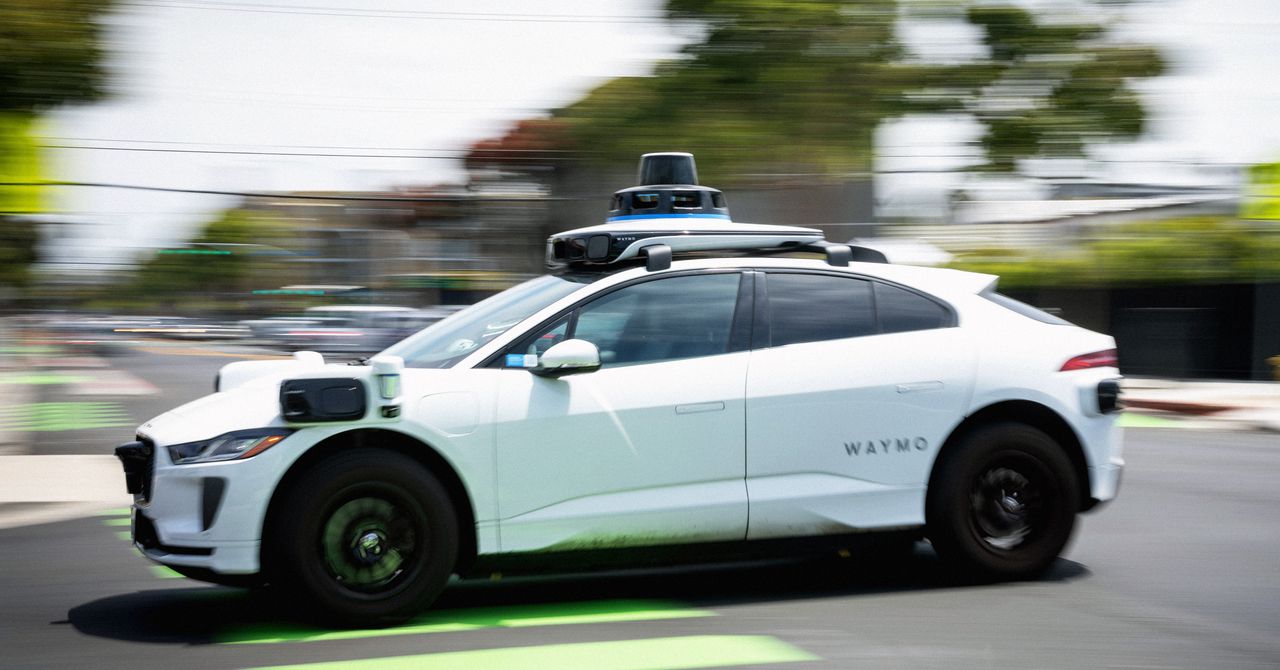
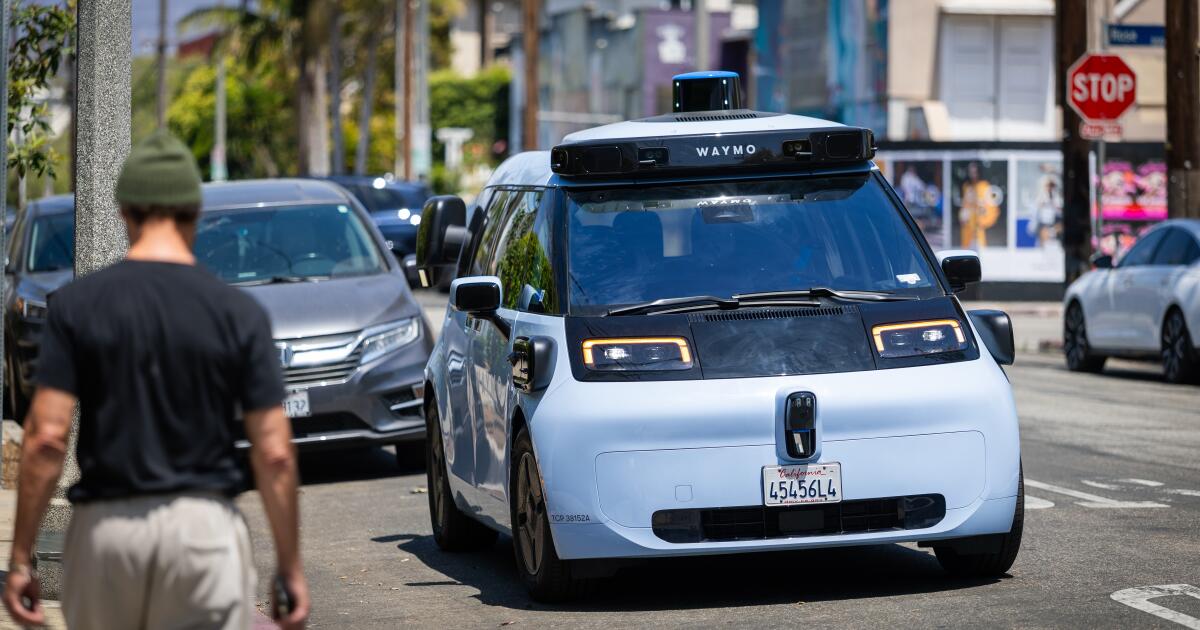
- What happened: Waymo began offering free rides to select passengers in its new Ojai robotaxi, marking the debut of its 6th-generation Driver technology across San Francisco, Los Angeles, and Phoenix. The vehicle features sliding doors, USB-C charging ports, fold-down armrests, improved legroom, and is better equipped for adverse weather conditions.
- Why it matters: The Ojai represents Waymo's most advanced autonomous platform to date and signals the company's confidence in scaling robotaxi operations beyond its existing Chrysler Pacifica fleet. The vehicle's design improvements suggest a focus on passenger comfort and operational reliability in real-world conditions.
- Key players: Waymo, built in partnership with Chinese manufacturers

Waymo Dominates Texas AV Registrations; Tesla Fleet One-Tenth the Size
- What happened: New Texas vehicle registration data reveals Waymo has registered over 400 autonomous vehicles in its robotaxi service, while Tesla has only 42 registered automated vehicles in the state. This 10-to-1 ratio demonstrates Waymo's massive operational lead in actual deployments.
- Why it matters: The gap between Waymo's deployed fleet and Tesla's registered vehicles underscores the difference between claimed autonomy capabilities and real-world commercial deployment. It signals investor and regulatory confidence in Waymo's mature technology versus Tesla's ongoing Full Self-Driving development.
- Key players: Waymo, Tesla, Texas transportation regulators

Waymo Expands Into Virginia; Mapping Alexandria and Arlington Near Washington DC
- What happened: Waymo announced it is mapping Alexandria and Arlington, Virginia—neighborhoods directly across from Washington, DC—as part of its geographic expansion into the nation's capital region. This marks the company's push into new high-value urban markets.
- Why it matters: Expansion into the DC metro area represents a strategic move into a politically significant region where successful autonomous vehicle operations could influence federal policy. The dense urban environment and proximity to federal transportation regulators make this expansion symbolically important.
- Key players: Waymo
Self-Driving Cars & Robotaxis
-
Waymo: Launched Ojai robotaxi with 6th-generation Driver across SF, LA, and Phoenix offering free test rides; registered over 400 AVs in Texas, commanding 10x larger fleet than Tesla's 42 registered vehicles
-
Wayve: UK-based autonomous driving company announced its technology is headed to US vehicles made by Stellantis, supporting both hands-off assisted driving comparable to Tesla FSD and eventual driverless systems for robotaxis
-
Uber: Relaunched its own autonomous vehicle testing through a new AV Lab project designed to collect sensor data for its dozens of robotaxi partners. Vehicles are fitted with cameras, lidar, and other autonomous driving sensors but will operate as data-collection assets rather than passenger services
-
May Mobility and ECARX: May Mobility (backed by Geely founder Li Shufu's automotive tech firm ECARX) signed a strategic agreement for ECARX to supply thousands of purpose-built robotaxis, signaling intent to scale autonomous fleet operations
-
Nuro: Cofounder and co-CEO Dave Ferguson stated the company views itself as a "second mover" in robotaxis but believes it can gain competitive advantage by learning from Waymo's operational challenges and mistakes

Drones & Urban Air Mobility
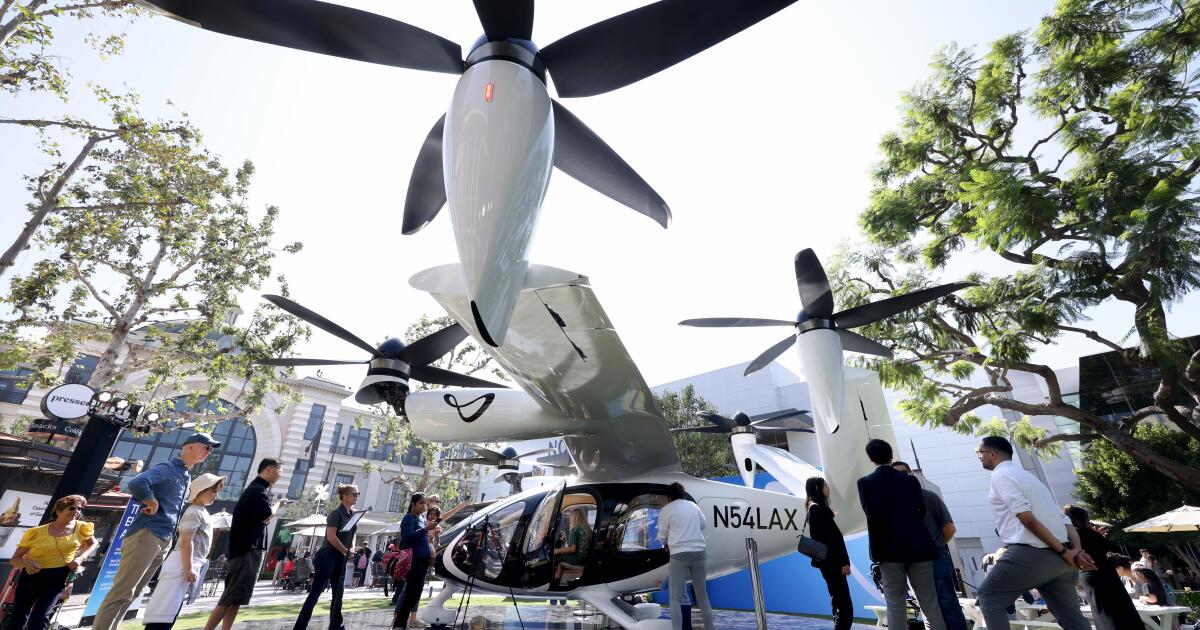
- Archer and Joby Legal Battle: The two leading eVTOL companies remain locked in a complex multi-month legal battle over California air taxi operations, with both companies racing to secure FAA approval and begin commercial flights in US cities during 2026, though full type certification is not expected until mid-2027

Regulation & Policy
-
New York State: Proposed new legislation to regulate autonomous vehicle fleet services, aiming to balance technological innovation with safety standards and labor concerns in dense urban environments
-
NHTSA Framework Advancement: Under the Trump/Duffy Administration's focus on innovation, NHTSA is expected to continue its autonomous vehicle rulemaking and research activities in 2026 under its new AV framework, including updates to Federal Motor Vehicle Safety Standards originally written for human-driven vehicles
Business & Investment
-
Record AV Funding: The autonomous vehicle sector received over $19 billion in investment in 2026's first quarter, the largest capital backing in over 10 years. However, funding concentrated heavily toward leading companies, with Waymo capturing the majority of mega-deals
-
McKinsey Market Forecast: US autonomous vehicle market could reach $230 billion by 2035, according to recent McKinsey global analysis shared on industry platforms
Technology & Innovation
-
Rivian Lidar Strategy: Rivian is considering manufacturing its own lidar sensors in the United States through potential partnerships with Chinese firms, as it builds out a full autonomous driving stack for future vehicles
-
Wayve UK Partnership: The UK Department for Business and Trade entered a government partnership with London-based Wayve to convert "world-leading research into real-world deployment," spurring investment and job creation in the British AV sector
What to Watch Next Week
- Waymo Ojai Passenger Ramp-Up: Monitor announcements on when free test rides transition to paid robotaxi service and pricing models across SF, LA, and Phoenix
- Air Taxi Certification Progress: Track FAA updates on eVTOL type certification timelines for Archer, Joby, and other US operators targeting 2027 deployment
- Tesla Robotaxi Incidents: Watch for updates on Tesla's Austin robotaxi fleet safety record and regulatory response to the 17 reported incidents (July 2025–April 2026)
- New York AV Regulation Vote: Monitor New York State legislature's progress on proposed autonomous vehicle fleet legislation affecting urban deployment rules
Reader Action Items
- For industry professionals: Waymo's Ojai launch demonstrates the competitive advantage of mature, deployed fleets. Companies still in testing phases should accelerate validation and geographic expansion or risk losing first-mover benefits in major markets.
- For investors: The 10-to-1 deployment ratio between Waymo and Tesla in Texas, combined with record AV funding concentration toward leading firms, suggests consolidation around proven operators. Evaluate target companies on actual registered vehicles, not claimed capabilities.
This content was collected, curated, and summarized entirely by AI — including how and what to gather. It may contain inaccuracies. Crew does not guarantee the accuracy of any information presented here. Always verify facts on your own before acting on them. Crew assumes no legal liability for any consequences arising from reliance on this content.
Powered by
