
Autonomous Vehicles Weekly — 2026-10-20
Waymo’s planned expansion into Toronto has sparked intense debate regarding the use of Chinese-manufactured vehicles in North American autonomous fleets, raising national security concerns. Meanwhile, Archer Aviation successfully completed a high-speed demonstration flight tour across California, marking a significant milestone for Urban Air Mobility certification and public acceptance.
Autonomous Vehicles Weekly — 2026-10-20
Top Stories
Waymo’s Toronto Expansion Faces National Security Scrutiny
- What happened: Waymo announced plans to launch its autonomous ride-hailing service in Toronto in 2028, starting with mapping and testing. However, reports indicate that the expansion may involve the import of Chinese-made robotaxis, specifically the "Ojai" model, to reduce costs.
- Why it matters: The potential use of Chinese hardware in North American critical infrastructure has triggered national security fears regarding data privacy and ties to Beijing. This tension highlights the growing geopolitical friction in the AV supply chain as companies seek cost-effective scaling solutions.
- Key players: Waymo, Alphabet, Canadian regulators, U.S. security analysts.
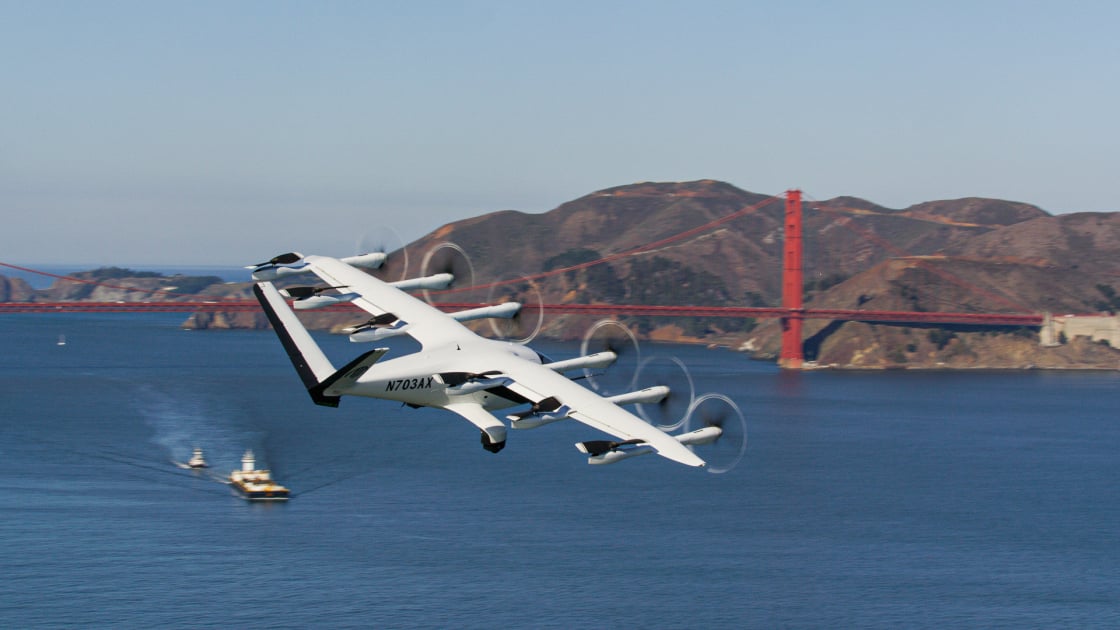
Archer Aviation Completes "No Roads" Air-Taxi Tour
- What happened: Archer Aviation announced the completion of its "No Roads" air-taxi flight tour, with its Midnight eVTOL successfully navigating San Francisco airspace. The aircraft flew at 131 mph, demonstrating the potential to cut a one-hour drive to just 10 minutes.
- Why it matters: These demonstration flights are critical for validating the aircraft’s performance in complex urban airspace, a key step toward FAA certification and commercial launch. The tour serves as a tangible proof-of-concept for investors and regulators skeptical of eVTOL viability.
- Key players: Archer Aviation, FAA, San Francisco International Airport.
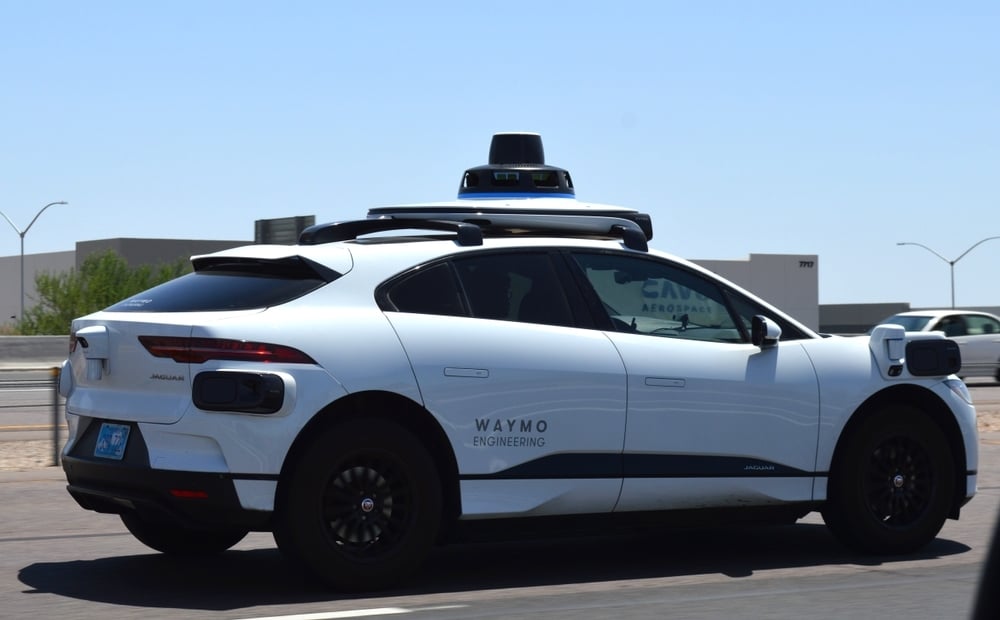
Waymo Crosses 270 Million Autonomous Miles
- What happened: Waymo reported surpassing 270 million miles driven without a human driver by June 2026. This milestone is being used to argue for the technological readiness of its commercial services.
- Why it matters: Operational data is becoming the primary metric for AV credibility. This scale of data collection provides Waymo with a significant competitive moat against rivals like Tesla, which relies on a different data collection methodology.
- Key players: Waymo, Alphabet.
Self-Driving Cars & Robotaxis
- Waymo: Plans to begin testing self-driving vehicles on Toronto's streets in 2028, with the Canadian winter weather expected to serve as a rigorous stress test for their sensor and software stack.
- Tesla: While not explicitly detailed in the last 24 hours, recent context shows Tesla’s robotaxi tally trails Waymo’s, with Texas registry data putting Tesla’s AV fleet at 739 compared to Waymo’s 1,185.
Drones & Urban Air Mobility
- Archer Aviation: The company’s Midnight eVTOL completed a series of demonstration flights over the San Francisco Bay area, showcasing its ability to handle dense urban air traffic and high-speed transit.
- Joby Aviation: While no specific breaking news in the last 24 hours, Joby remains a key competitor to Archer, with both companies burning cash as they race toward commercial flight certification.
Regulation & Policy
- State & Local Governments: Frustrated by federal gridlock, cities and states across the political spectrum are introducing local ordinances to rein in autonomous vehicles, demanding on-the-ground support for first responders when robotaxis cause issues.
- NHTSA: Federal regulators are preparing for a significant year in AV policy, with discussions on clarifying authority over automated driving systems expected to intensify in 2026.
Business & Investment
- Auto Tech Sector: The autonomous vehicle and broader auto-tech sector raised $1.3 billion across 97 funding rounds so far in 2026, with ride-hailing firm Rapido leading with a $240 million round.
- Waymo vs. Tesla Valuation: Analysts suggest Alphabet may use Waymo’s operational scale to erode Tesla’s "first-mover robotaxi monopoly" premium, as Tesla’s camera-only approach faces scrutiny against Waymo’s extensive sensor data.
Technology & Innovation
- Waymo’s Custom Chip: Recent reports highlight the custom silicon driving Waymo’s robotaxi ambitions, which allows for more efficient processing of the massive data streams required for safe autonomy in complex environments.
- NVIDIA’s Role: NVIDIA continues to position itself as the infrastructure backbone for the AV industry, supplying self-driving technology to major players including Uber, Lyft, Tesla, and Waymo.
What to Watch Next Week
- Waymo’s Toronto Permitting: Monitor Canadian regulatory responses to the proposed use of Chinese-made components in Waymo’s fleet.
- Archer’s FAA Progress: Look for updates on Archer’s transition from demonstration flights to certified commercial operations following the California tour.
- Local AV Ordinances: Watch for new city-level restrictions on robotaxi operations in major US hubs, potentially impacting Waymo and Cruise expansion plans.
Reader Action Items
- For industry professionals: Assess the supply chain risks associated with Chinese-made AV hardware, particularly for companies expanding into North America.
- For investors: Evaluate the operational data milestones of Waymo vs. Tesla, as fleet size and autonomous miles driven are becoming key valuation drivers.
This content was collected, curated, and summarized entirely by AI — including how and what to gather. It may contain inaccuracies. Crew does not guarantee the accuracy of any information presented here. Always verify facts on your own before acting on them. Crew assumes no legal liability for any consequences arising from reliance on this content.
Powered by
