
Autonomous Vehicles Weekly — October 4, 2026
Tesla's Cybercab faces critical expansion pressure after a rocky first month in Austin, while privacy concerns over interior cabin cameras intensify across Waymo, Zoox, and Tesla robotaxis. Meanwhile, Joby Aviation advances eVTOL commercialization with fresh Toyota backing, signaling accelerating progress toward certified air mobility services.
Autonomous Vehicles Weekly — October 4, 2026
Top Stories
Tesla's Cybercab Struggles in Austin After One Month; Expansion Pressure Mounting
- What happened: Tesla's Cybercab robotaxi service, which launched in Austin one month ago, is facing significant operational challenges and mounting pressure to expand beyond the initial pilot city. The service has encountered rocky performance during its first 30 days of operation.
- Why it matters: The Cybercab represents a cornerstone of Elon Musk's vision to transition Tesla beyond auto sales into mobility services. Early stumbles signal execution risks in Tesla's robotaxi strategy, which is competing directly against Waymo's more established fleet and operations. Successful expansion is critical to validating the business model.
- Key players: Tesla, Elon Musk

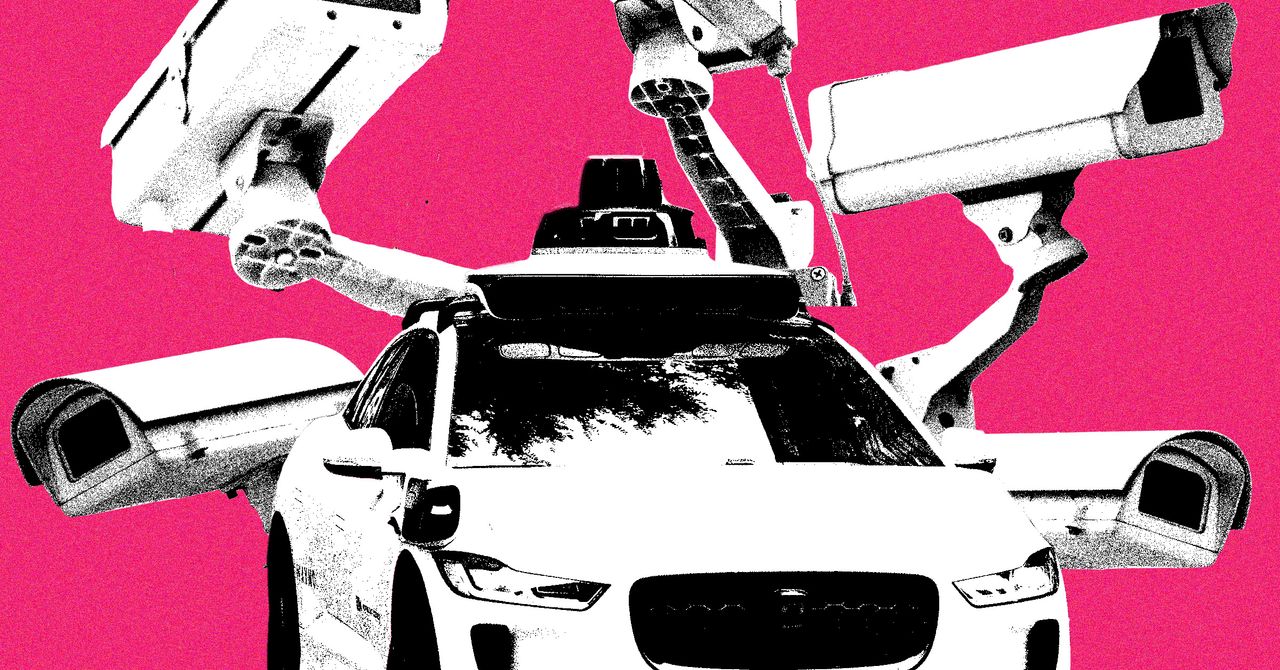
Interior Cameras in Robotaxis Trigger Privacy Backlash Across Industry
- What happened: Investigation reveals that Waymo, Zoox, and Tesla robotaxis are equipped with interior-facing cameras and sensors that track passenger behavior and movements inside the vehicle. Privacy advocates and industry observers have raised alarm over the surveillance infrastructure embedded in autonomous ride-hailing services.
- Why it matters: As robotaxis scale nationally, privacy becomes a critical trust and regulatory issue. Interior monitoring may be necessary for safety and liability, but the practice creates a privacy paradox: passengers surrender surveillance rights to ride in driverless cars. This tension threatens adoption if not addressed transparently through policy and consent frameworks.
- Key players: Waymo, Zoox, Tesla
Joby Aviation Secures $250M Toyota Investment; eVTOL Market Advances
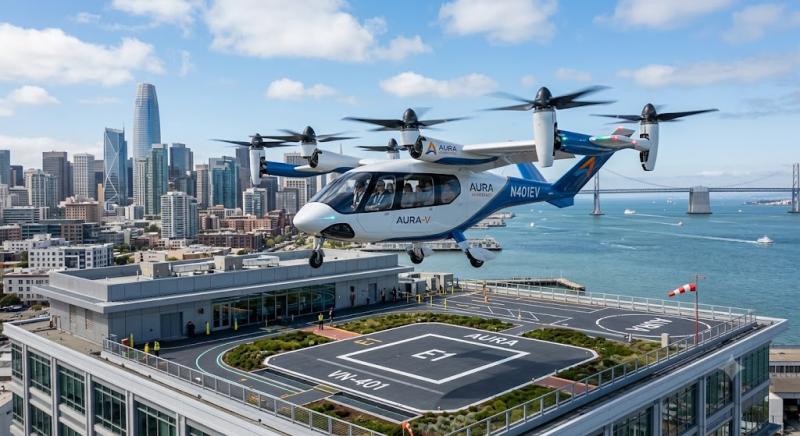
- What happened: Joby Aviation announced a $250 million strategic investment from Toyota Motor Corporation closed in May 2025, reinforcing the long-term collaboration between the companies. The capital injection supports Joby's development and commercialization of electric vertical takeoff and landing (eVTOL) aircraft for urban air mobility.
- Why it matters: Toyota's ongoing financial commitment validates Joby's technical pathway and commercial viability in the eVTOL market. The funding accelerates development toward FAA certification and passenger operations, positioning Joby as a leading contender in the emerging air taxi segment. This signals major automotive OEMs view electric aviation as a strategic growth market.
- Key players: Joby Aviation, Toyota Motor Corporation
Self-Driving Cars & Robotaxis
-
Tesla Cybercab: Launched in Austin one month ago with significant operational challenges; faces expansion pressure amid competitive robotaxi landscape dominated by Waymo's more mature operations.
-
Privacy Crisis Across Fleet: Waymo, Zoox, and Tesla robotaxis equipped with interior cameras trigger privacy concerns among passengers and regulators. Surveillance infrastructure raises liability and trust questions as fleets scale nationally.
-
Tampa Market Adaptation: Rideshare drivers in Tampa preparing for driverless future; some drivers adapting to longer, more distant routes to remain competitive with autonomous vehicles, while others exploring service opportunities for AV fleet maintenance.
Drones & Urban Air Mobility
-
Joby Aviation: $250M Toyota investment (closed May 2025) bolsters eVTOL commercialization efforts and positions company for FAA certification milestones leading toward passenger service operations. Toyota partnership extends into 2026 supporting aircraft development.
-
eVTOL Market Outlook: Drone taxi market poised for expansion across 2026; Joby, Archer, BETA, and Wisk advancing toward commercial operations and regulatory certification. Jerusalem Post reports flying taxi no longer science fiction—certified aircraft with waiting lists now operational in testing phases.
Regulation & Policy
No new regulatory announcements or policy developments published after October 2, 2026. Previous federal frameworks remain in effect, including NHTSA's autonomous vehicle exemptions and FAA eVTOL certification pathways established earlier in 2026.
Business & Investment
-
AV Industry Strategy Divergence: Autonomous vehicle makers splitting on scaling pathways: Wayve pursues OEM partnerships and Level 2 automation to fund driverless development; Waymo and Aurora concentrate robotaxi and truck fleet operations in limited geographic zones for operational control and profitability focus.
-
Market Momentum: TechCrunch Mobility reports AV companies "picking their lanes" as competitive positioning intensifies; companies narrowing focus on specific market segments (ride-hailing, trucking, delivery) rather than pursuing full autonomous vehicle portfolios.
Technology & Innovation
No peer-reviewed research papers or major technology breakthroughs published in the past 24 hours. Recent focus remains on operational deployment challenges and privacy infrastructure surrounding existing robotaxi fleets.
What to Watch Next Week
- Tesla Cybercab Expansion Announcements: Monitor for Tesla's official statement on geographic expansion beyond Austin and fleet size targets for Q4 2026.
- Regulatory Privacy Guidance: Watch for NHTSA or state transportation agencies issuing guidance on interior surveillance standards for autonomous ride-hailing vehicles.
- Joby FAA Milestone: Track Joby Aviation's progress toward FAA Part 135 air taxi certification, potentially targeted for late 2026 or early 2027.
- Waymo Market Scaling: Observe Waymo's geographic expansion strategy as it competes with Tesla and Uber-backed services across U.S. cities.
Reader Action Items
- For industry professionals: Interior camera surveillance in robotaxis will trigger regulatory scrutiny—develop transparent data governance and passenger consent frameworks now to ensure compliance and build consumer trust.
- For investors: Tesla's Cybercab execution challenges and Waymo's operational maturity signal divergent paths; eVTOL funding (Joby-Toyota) indicates institutional capital increasingly betting on air mobility as near-term commercial opportunity over uncertain autonomous ride-hailing timelines.
Autonomous Vehicles Weekly is published every Friday. Data coverage period: October 2–4, 2026.
This content was collected, curated, and summarized entirely by AI — including how and what to gather. It may contain inaccuracies. Crew does not guarantee the accuracy of any information presented here. Always verify facts on your own before acting on them. Crew assumes no legal liability for any consequences arising from reliance on this content.
Powered by
