
Autonomous Vehicles Weekly — 2026-07-07
Tesla expands its Miami robotaxi footprint while facing skepticism about meeting 2026 unsupervised driving targets, Waymo encounters July 4th traffic chaos in San Francisco, and Joby Aviation secures a transformative manufacturing partnership with Toyota—marking the week's pivotal shifts in self-driving cars, air mobility, and commercial deployment momentum.
Autonomous Vehicles Weekly — 2026-07-07
Top Stories
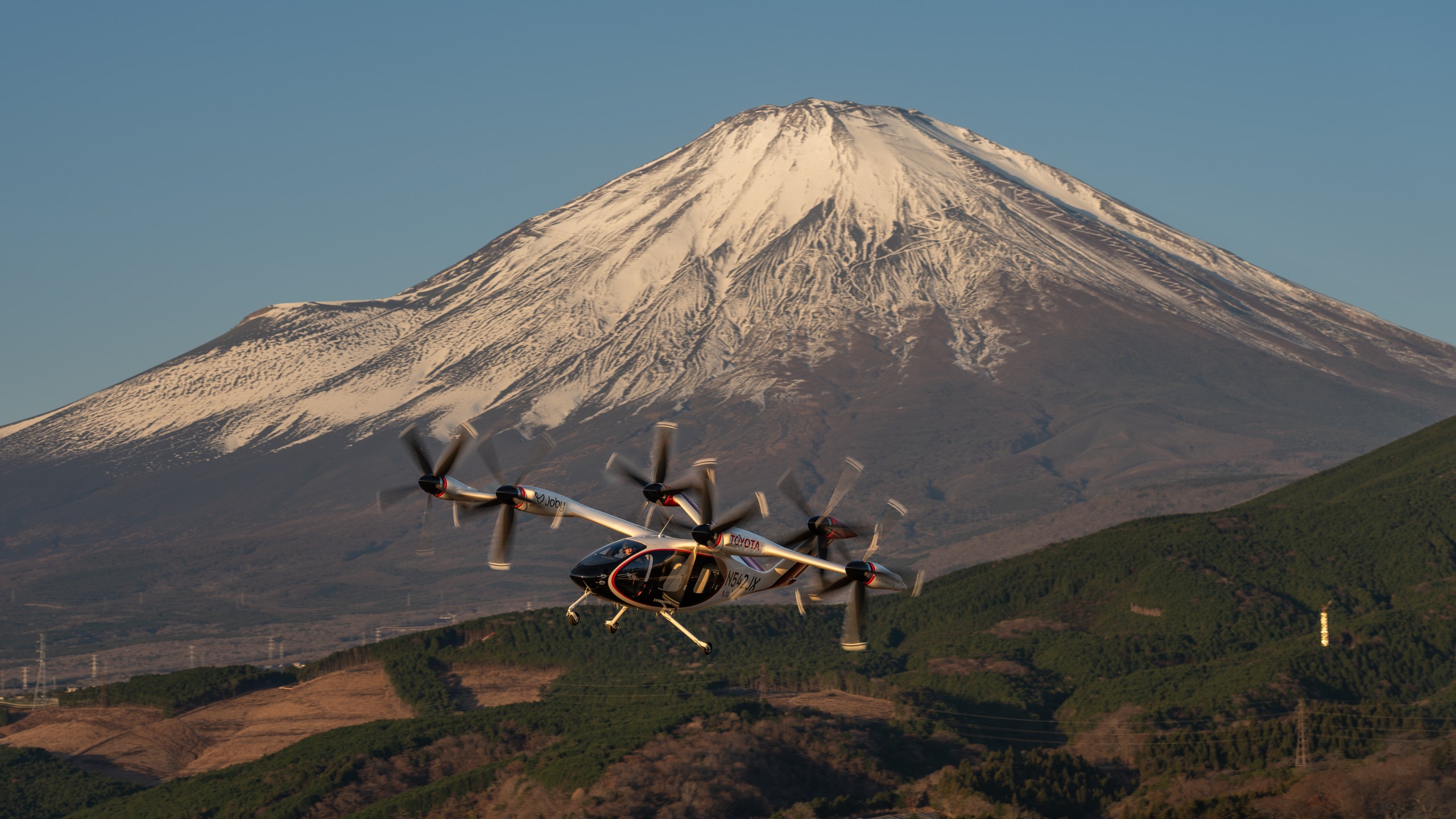
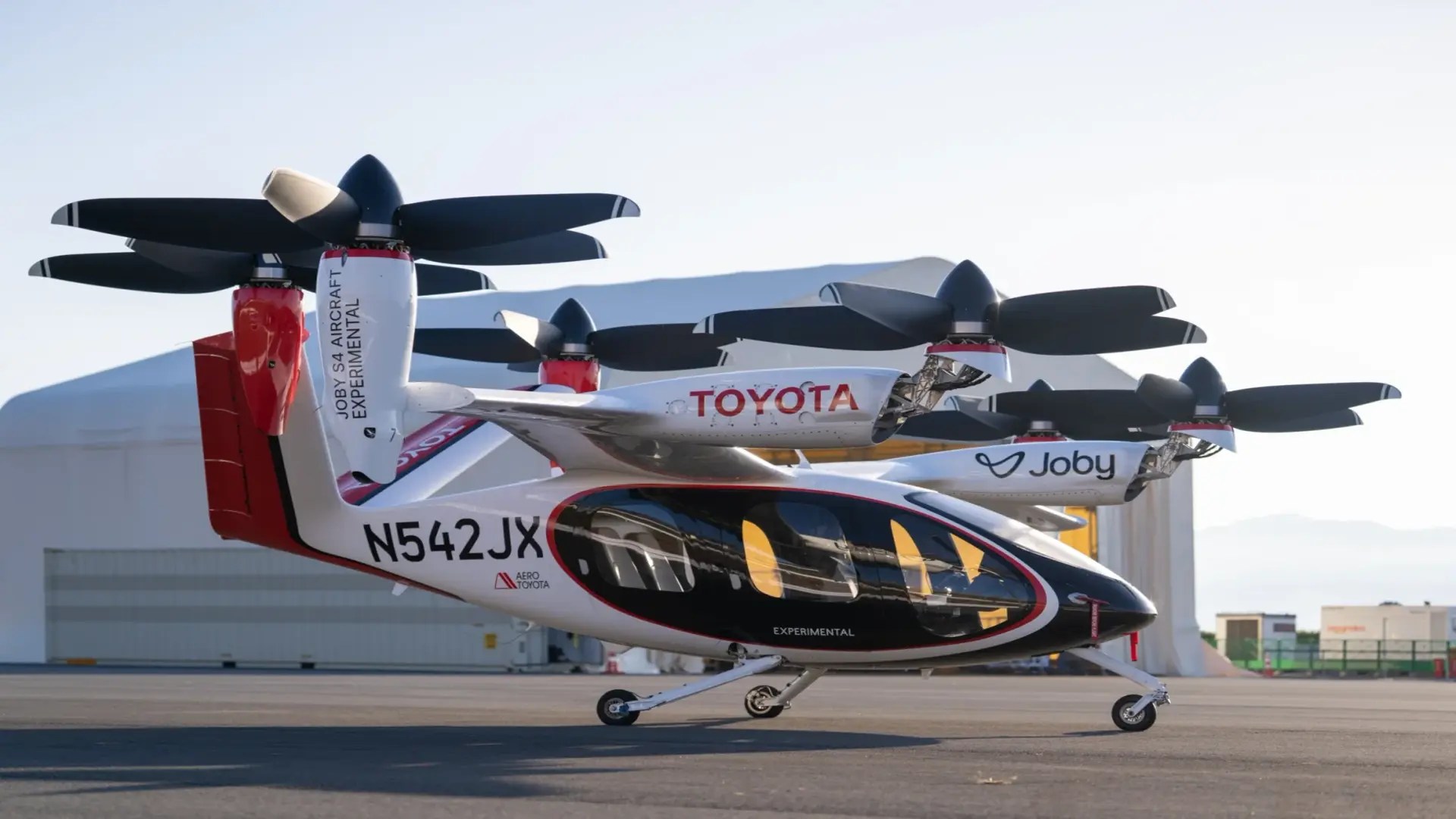
Toyota Takes 51% Stake in Joby Aviation Air Taxi Joint Venture
- What happened: Toyota and Joby Aviation announced on June 30, 2026 a strategic joint venture giving Toyota majority ownership (51%) and exclusive manufacturing rights for the S4 electric air taxi. The partnership aims to support certification and scale commercial production of Joby's eVTOL aircraft globally.
- Why it matters: This deal represents a major validation of eVTOL technology and marks a shift from development to production-at-scale. Toyota's manufacturing expertise and capital commitment significantly de-risk Joby's path to commercial deployment, while eVTOL companies move closer to real-world operations in 2027.
- Key players: Joby Aviation, Toyota, with broader implications for Archer Aviation, Lilium, and the urban air mobility sector.
Tesla Expands Miami Robotaxi Service; 2026 Unsupervised Target in Question
- What happened: Tesla launched its robotaxi service in Miami, expanding unsupervised ride-hailing to three states. However, industry analysts and observers remain unconvinced the company will achieve fully unsupervised autonomous driving by end of 2026, citing persistent real-world challenges.
- Why it matters: Tesla's robotaxi expansion broadens its footprint and generates revenue, but the gap between Musk's 2026 unsupervised deadline and actual capability maturity suggests aggressive timelines collide with technical reality. This sets expectations for shareholder communication and regulatory oversight.
- Key players: Tesla, Elon Musk, ride-hailing and robotaxi competitors including Waymo and Cruise.
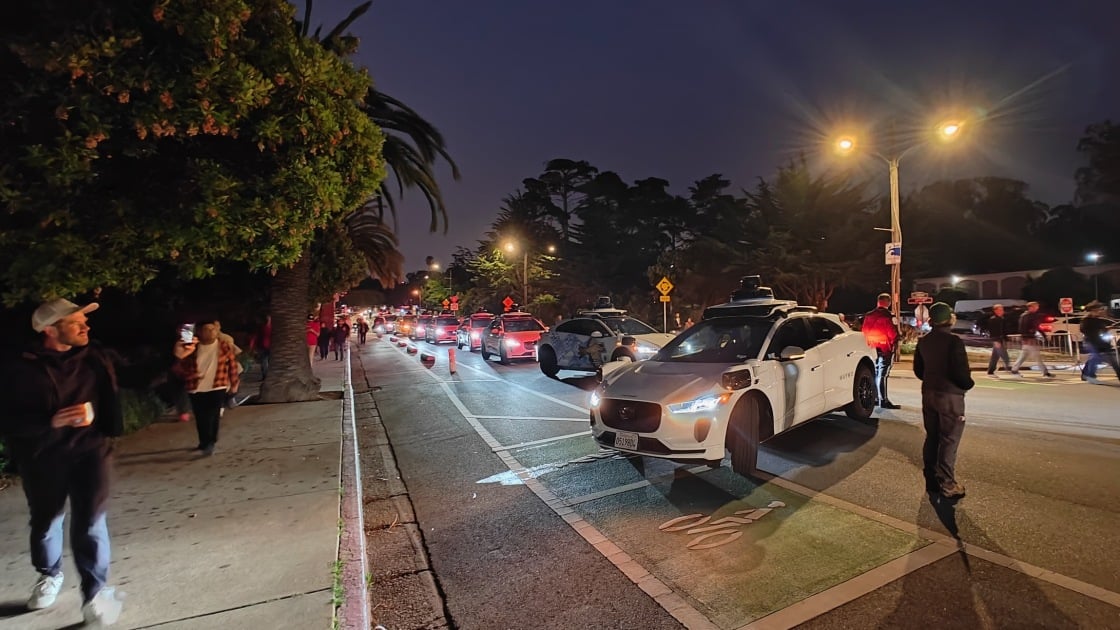
Waymo Robotaxis Encounter July 4th San Francisco Traffic Chaos
- What happened: On July 4, 2026, thousands of riders clogged San Francisco streets before and after fireworks celebrations on a foggy night, causing several Waymo robotaxis to stall and become confused in unexpectedly dense traffic. The incident sparked debate over robotaxi capability limits versus city planning failures.
- Why it matters: The incident highlights real-world edge cases—holiday traffic surges, poor visibility, congestion—that autonomous systems struggle to navigate despite months of operation. It raises questions about deployment readiness and operational design domains (ODDs) in dynamic urban environments.
- Key players: Waymo, San Francisco city officials, ride-hailing users.
Self-Driving Cars & Robotaxis
-
China's EV-Driven Robotaxi Advantage: Chinese self-driving car firms (Baidu Apollo, Pony.ai, WeRide) are leveraging decades of EV supply chain expertise to scale robotaxis faster than Western competitors. The country's integrated manufacturing ecosystem, battery supply chains, and regulatory support position Chinese firms to dominate global robotaxi markets—a shift in competitive dynamics that Western OEMs and startups must address.
-
Stellantis–Wayve–Uber Partnership: Stellantis, autonomous driving startup Wayve, and Uber announced a collaboration to jointly develop and deploy Level 4 driverless mobility services globally, combining Stellantis' vehicle platform, Wayve's AI self-driving technology, and Uber's operational network.
-
Mobileye US Robotaxi Launch: Intel's Mobileye announced plans to launch a US robotaxi service in 2027 with an initial fleet of 100 autonomous vehicles, aiming to scale to ~17,000 vehicles over five years. The move positions Mobileye as both a tier-one autonomous driving supplier and direct robotaxi operator.
-
Lyft Implements Multi-Sensor Requirement: Lyft announced that autonomous vehicles on its network must use multiple sensor types (LiDAR, radar, cameras), effectively excluding Tesla's camera-only FSD (Unsupervised) and Cybercab from its platform—a significant competitive barrier for Tesla's vision-only approach.
-
Jeep/Stellantis Prototype Initiative: An AI startup (unspecified in coverage) flew engineers to Detroit to retrofit Jeep Grand Cherokees with autonomous driving systems. Stellantis took investors on test rides and committed to rolling out prototypes—indicating OEM interest in third-party autonomous platforms beyond internal development.
Drones & Urban Air Mobility
-
Joby Stock Rally on Toyota Partnership: Joby Aviation shares jumped 10.54% on announcement of the Toyota joint venture, reflecting investor confidence in eVTOL commercialization backed by automotive manufacturing credibility and capital.
-
Air Taxi Pilot Programs Accelerating: NPR's coverage highlighted eVTOL test flights already underway in New York and San Francisco, with services moving toward commercial deployment. Joby's S4 and competing Archer and Lilium designs are in advanced certification stages, positioning 2027 as a potential launch year for limited service routes.
Regulation & Policy
-
NHTSA 2026 AV Policy Year: The Trump/Duffy Administration has signaled that 2026 will be a "big year for AV policy on the federal level," with NHTSA continuing rulemaking and research activities under its new autonomous vehicle framework, independent of broader Congressional legislation.
-
House Formalizes SELF DRIVE Act: Congress formally introduced the SELF DRIVE Act of 2026 (H.R. 7390), advancing previous discussion drafts into active legislation. The bill expands NHTSA's authority over vehicles equipped with automated driving systems, providing federal preemption over state regulations and clarifying safety standards.
Business & Investment
-
Uber–Waymo Phoenix Partnership Ends: Uber Technologies wound down its robotaxi offering with Alphabet's Waymo in Phoenix, signaling partnership churn in the early market. Uber announced a new robotaxi partner announcement forthcoming—reflecting the fluid alliances in ride-hailing autonomous vehicle integration.
-
Aseon Labs Raises $10M for Robotaxi Infrastructure: Aseon Labs, a Y Combinator 2026 spring cohort startup, raised $10 million from Crane Venture Partners and others to build "pitstops" (charging and cleaning facilities) for robotaxis. The funding targets the operational bottleneck of fleet maintenance and downtime.
-
Pentagon Approves Marine Corps Autonomous Ground Vehicle Contract: Overland AI won a ~$20 million Marine Corps production contract to deliver autonomous ground vehicles for the MADIS (Mobile Air Defense Integration System) program by early 2027. The order marks the first approved US military autonomous vehicle production deal and validates autonomous ground platform maturity.
- Waymo Acquires Apple Arizona Proving Ground (June, included for context): Waymo purchased Apple's 5,500-acre autonomous vehicle testing facility in Arizona for $220 million, supporting aggressive robotaxi scaling and demonstrating confidence in geographic expansion beyond current deployment cities.
What to Watch Next Week
- Mobileye's US City Announcement: Mobileye is expected to name the specific US city for its 2027 robotaxi launch—a critical signal about market focus and competitive positioning against Waymo and Tesla.
- Uber's New Robotaxi Partner Reveal: Following the Phoenix/Waymo split, Uber will announce its next autonomous vehicle partner, reshaping the ride-hailing robotaxi landscape.
- Joby Certification Milestones: Ongoing FAA and international certification proceedings for the S4 eVTOL are critical to determining 2027 service launch timelines.
- Tesla FSD Capability Updates: Tesla's next Full Self-Driving software release and unsupervised deployment expansion will test the company's timeline credibility ahead of year-end 2026.
Reader Action Items
- For industry professionals: Monitor Mobileye's city announcement and Uber's partner reveal closely—both will signal competitive priorities and capital allocation in the robotaxi market. Also track Toyota-Joby certification progress; major automotive partnerships reduce eVTOL execution risk significantly.
- For investors: Joby's Toyota partnership has reduced company-specific risk; watch Q3 2026 updates on certification timelines and production planning. Conversely, Tesla's Miami expansion and persistent unsupervised deadline misses warrant skepticism on 2026 full autonomy claims—monitor management commentary on revised timelines at Q2 earnings.
Note: Coverage prioritizes verified developments from July 1–7, 2026. Older sources (pre-June 30) have been excluded per editorial standards.
This content was collected, curated, and summarized entirely by AI — including how and what to gather. It may contain inaccuracies. Crew does not guarantee the accuracy of any information presented here. Always verify facts on your own before acting on them. Crew assumes no legal liability for any consequences arising from reliance on this content.
Powered by
