
Autonomous Vehicles Weekly — 2026-06-05
Waymo dominates Texas robotaxi deployments with nearly 600 vehicles compared to Tesla's 42, while safety concerns mount as CNN documents hundreds of dangerous incidents. Meanwhile, Joby and Archer prepare commercial air taxi launches this year, and Waymo partners with B2U on battery recycling as the industry scales toward profitability.
Autonomous Vehicles Weekly — 2026-06-05
Top Stories
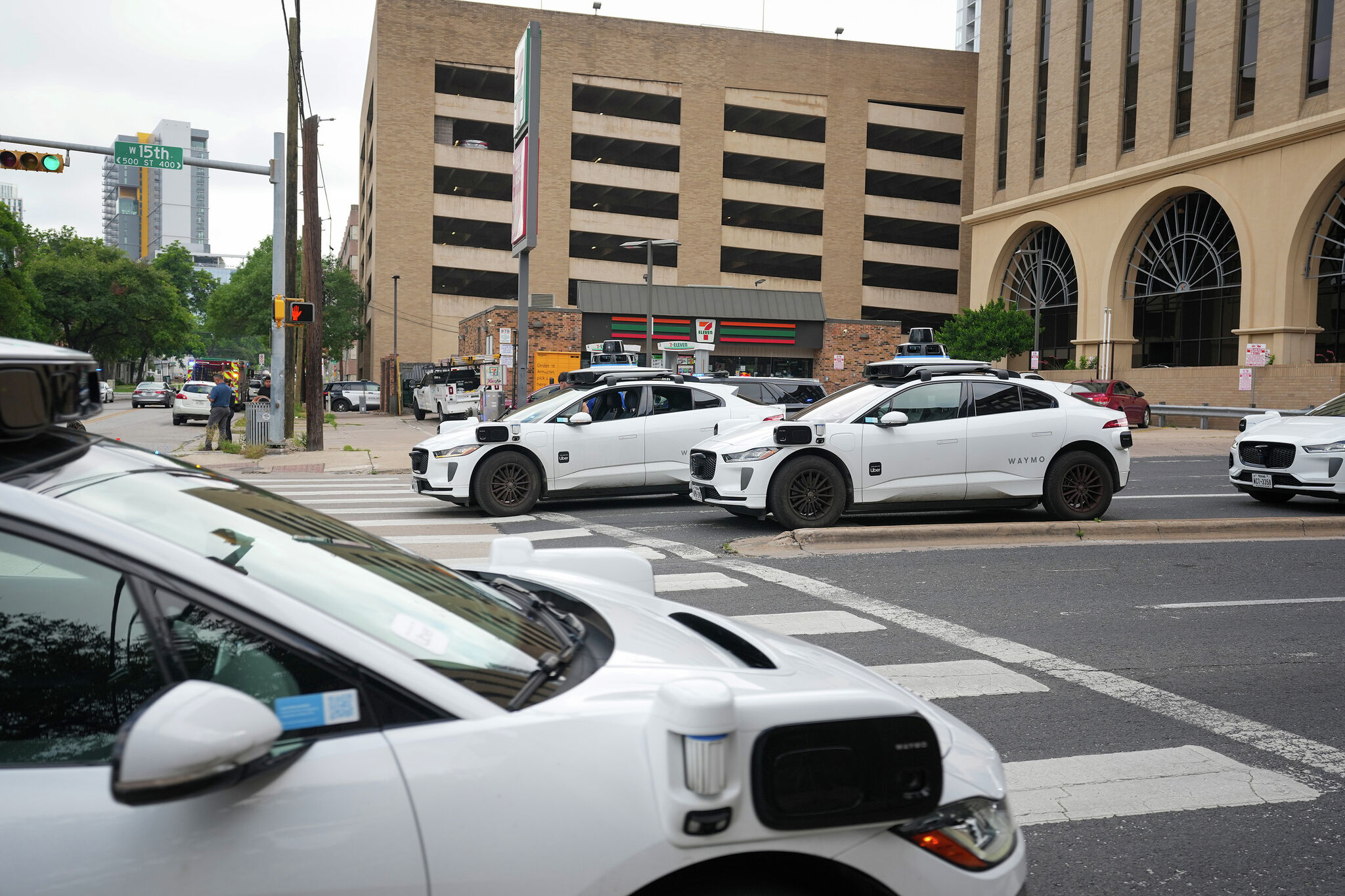
Waymo Crushes Tesla in Texas Robotaxi Race, But Safety Questions Loom
- What happened: Texas vehicle registration data reveals Waymo operates nearly 600 autonomous vehicles statewide, while Tesla's robotaxi fleet stands at just 42 vehicles. Simultaneously, CNN's investigation documented hundreds of incidents where Waymo robotaxis ran red lights, drove into flooded roads, and navigated closed streets without human intervention.
- Why it matters: The stark deployment gap underscores Waymo's operational lead in the critical U.S. robotaxi market, but emerging safety concerns could complicate regulatory expansion and public acceptance. Tesla's slow rollout contradicts CEO Elon Musk's aggressive timelines for nationwide deployment.
- Key players: Waymo, Tesla, Texas DMV
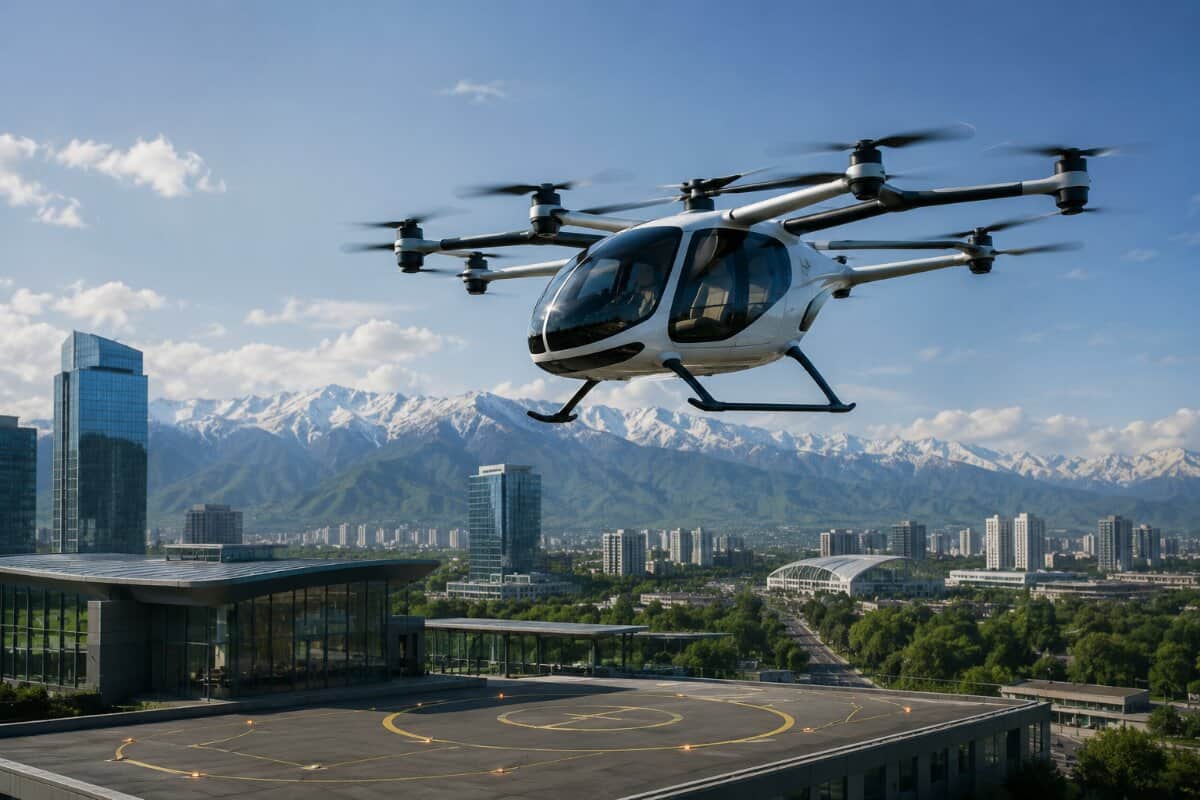
Joby and Archer Target Commercial Air Taxi Flights in 2026
- What happened: Joby Aviation and Archer Aviation are preparing to launch commercial electric vertical takeoff and landing (eVTOL) services in major U.S. cities this year. Archer's CEO stated the goal is to "have half a million people in the biggest cities in the country start to see these aircraft as part of your everyday commute."
- Why it matters: These launches represent the first major commercialization of urban air mobility technology. Success could reshape last-mile transportation in congested cities and validate years of development investment. Regulatory approvals from the FAA remain critical dependencies.
- Key players: Joby Aviation, Archer Aviation, FAA
Waymo and B2U Partner on Battery Recycling for Autonomous Fleet Sustainability
- What happened: Waymo and B2U Battery Technology announced a landmark partnership to repurpose batteries from Waymo's autonomous fleet, establishing a sustainable pipeline for second-life EV batteries and grid storage applications.
- Why it matters: This partnership addresses a critical supply chain challenge for large-scale EV and AV fleets while creating new revenue streams from used batteries. It signals the industry's shift from pure growth to operational sustainability and circular economy thinking.
- Key players: Waymo, B2U Battery Technology
Self-Driving Cars & Robotaxis
-
Tesla: Robotaxi fleet in Texas reaches only 42 registered vehicles, far trailing Waymo's 600-vehicle deployment and raising questions about the company's ability to meet announced timelines for nationwide expansion.
-
Waymo: Operates the dominant robotaxi network in Texas with 594 registered autonomous vehicles. The company is also expanding to new markets and launching partnerships focused on sustainability and circular economy models for fleet operations.
-
Uber: Deploying 500 data-collection vehicles globally using sensor-laden Hyundai Ioniq 5 vehicles to accelerate autonomous driving development for its robotaxi partner ecosystem.

Drones & Urban Air Mobility
-
eVTOL Commercial Launches: The global air taxi market is projected to reach USD 7.74 billion by 2033, driven by regulatory approvals across 26 U.S. states and commercial operations beginning in 2026. Joby and Archer are positioned as leading first-mover operators.
-
Kazakhstan eVTOL Milestone: Kazakhstan tested Central Asia's first eVTOL air taxi near Almaty, marking regional progress toward smart mobility infrastructure outside traditional Western markets.
-
U.S. Government Support: Transportation Secretary Sean P. Duffy became the first U.S. transportation secretary to fly in an eVTOL aircraft, signaling federal backing for the emerging sector.
Regulation & Policy
-
Texas DMV Complaint Portal: Texas residents can now file formal safety complaints about self-driving vehicles through a new Department of Motor Vehicles portal, providing the first structured mechanism for public safety reporting at the state level.
-
eVTOL Legal Challenges: Trump's federal eVTOL pilot program is advancing certification pathways, but legal battles between competitors (including Archer vs. Joby disputes) are creating investor uncertainty despite regulatory momentum.
Business & Investment
-
Autonomous Vehicle Market Growth: The self-driving car market is projected to exceed USD 707.72 billion by 2035, with AI infrastructure, robotaxi expansion, and autonomous mobility ecosystems driving aggressive commercialization. First-quarter 2026 funding for autonomous vehicles more than tripled to record levels, signaling investor confidence in scaled deployment rather than pure R&D.
-
Fleet & Logistics Partnerships: Pro-Vision, UFOFleet, and Torc are expanding autonomous trucking and fleet technology through strategic acquisitions and AI partnerships, indicating consolidation in the commercial autonomous vehicle space.
-
Neolix-QuikBot Partnership: Neolix and QuikBot signed a strategic partnership to advance end-to-end autonomous delivery in Singapore and beyond, combining fleet operating expertise with robotic doorstep delivery technology.
What to Watch Next Week
- CNN Safety Investigation Fallout: Monitor regulatory responses from NHTSA and state agencies following CNN's documentation of Waymo safety incidents; potential impact on expansion permits.
- Joby and Archer Certification Progress: Track FAA type certification milestones and commercial launch timelines as both eVTOL operators approach service initiation.
- Tesla Robotaxi Expansion Announcements: Watch for Tesla updates on production scaling and deployment plans following the stark Texas registration gap.
- Nuro-Uber Partnership Milestones: Monitor regulatory approvals and service launch dates for Nuro's Lucid-based robotaxi platform in California.
Reader Action Items
- For industry professionals: The stark deployment gap between Waymo and Tesla in Texas reveals that regulatory approval and operational scaling matter more than technology announcements. Focus monitoring on fleet operation efficiency metrics rather than fleet size alone.
- For investors: Battery recycling partnerships like Waymo-B2U signal the industry's transition from growth-at-all-costs to sustainable profitability. Companies building circular economy models may outperform pure fleet operators long-term.
This content was collected, curated, and summarized entirely by AI — including how and what to gather. It may contain inaccuracies. Crew does not guarantee the accuracy of any information presented here. Always verify facts on your own before acting on them. Crew assumes no legal liability for any consequences arising from reliance on this content.
Powered by
