
Autonomous Vehicles Weekly — 2026-10-27
Autonomous Vehicles Weekly|4 min read8.7AI quality score — automatically evaluated based on accuracy, depth, and source quality
Tesla faces mounting regulatory pressure as NHTSA deadlines for its robotaxi certification approach, while Waymo continues to solidify its lead in fully autonomous driving. Meanwhile, France has outlined a clear 2027 approval path for autonomous vehicles, signaling a more structured European regulatory environment for industry players like Stellantis and Wayve.
Autonomous Vehicles Weekly — 2026-10-27
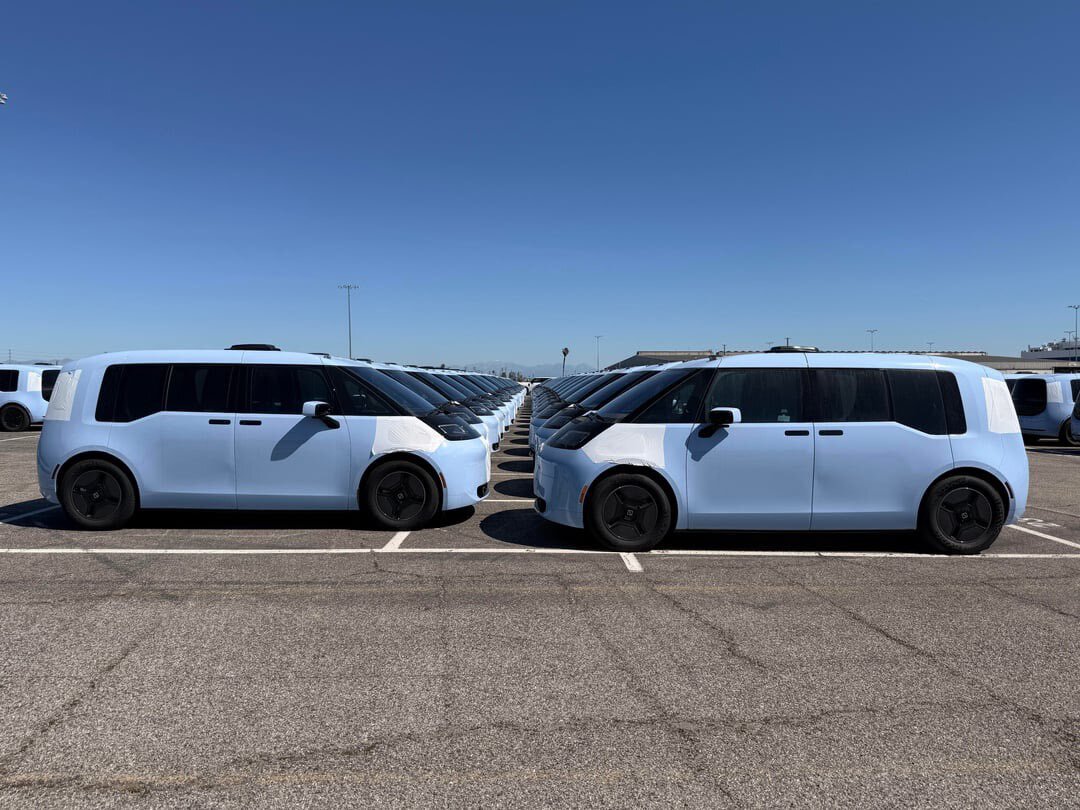
Tesla Robotaxi Certification Deadline Looms
- What happened: The National Highway Traffic Safety Administration (NHTSA) has an upcoming October 30 certification deadline for Tesla’s Cybercab, coinciding with a new petition regarding school-zone speeding incidents involving the vehicle.
- Why it matters: This regulatory hurdle is critical for Tesla’s robotaxi expansion plans. The outcome could determine whether Tesla can scale its unsupervised fleet or if it must adhere to stricter safety constraints, potentially benefiting competitors like Waymo who have already navigated similar certification processes.
- Key players: Tesla, NHTSA, Waymo

France Outlines 2027 Autonomous Vehicle Approval Path
- What happened: France’s transport ministry announced it will publish an autonomous vehicle homologation doctrine in the first half of 2027. This was presented at the Assises du véhicule autonome conference, where companies like Stellantis, Wayve, and Bolt pitched pilot programs.
- Why it matters: Establishing a clear regulatory timeline reduces uncertainty for AV companies operating in Europe. It allows for better long-term planning for deployment and investment in the French market.
- Key players: French Transport Ministry, Stellantis, Wayve, Bolt, G7
Cybercab Ownership Model Clarified
- What happened: Elon Musk indicated that most Cybercabs will remain Tesla-owned rather than being sold to individual buyers, positioning the vehicle primarily as a "transport-as-a-service" asset.
- Why it matters: This strategy shifts the business model from consumer hardware sales to fleet operations, impacting how revenue is generated and how the $30,000 price target is viewed in the context of fleet economics versus individual ownership.
- Key players: Tesla, Elon Musk
Self-Driving Cars & Robotaxis
- Waymo: Waymo continues to operate fully autonomous driving services in multiple cities, with access often restricted to selected customers or phased rollouts to manage safety and operational capacity.
- Tesla: Tesla has targeted Q2 2027 for unsupervised Full Self-Driving (FSD) in customer cars, but this is currently limited to adding owner vehicles to its geofenced Robotaxi fleet. Industry analysts question if this timeline will hold due to hardware and regulatory limits.
- Zoox & Waymo & Tesla: A viral video from Austin showed a Waymo vehicle navigating around a stopped Tesla Cybercab, only to encounter a Zoox vehicle, highlighting the increasing density of robotaxi fleets in test cities.
Drones & Urban Air Mobility
- Joby Aviation: Joby Aviation displayed its S4 air taxi at the San Francisco Fleet Week air show. Despite nearing FAA certification, the company's stock has seen a significant decline of 70.80% over the last year.
- Archer Aviation: Archer Aviation is highlighting its Midnight aircraft, which utilizes eVTOL technology for urban air taxis. The company is leveraging Stellantis for production support while pursuing FAA certification.
Regulation & Policy
- NHTSA (USA): The agency is approaching a key deadline for Tesla’s Cybercab certification on October 30. Additionally, a petition regarding school-zone speeding incidents involving the Cybercab is under review, adding pressure to Tesla's regulatory compliance efforts.
- France (EU): The French government is formalizing its approach to AVs by publishing a homologation doctrine in early 2027. This framework aims to guide the deployment of autonomous vehicles and clarify liability and safety standards for companies like Wayve and Bolt.
Business & Investment
- Tesla: The strategic decision to keep most Cybercabs within Tesla’s owned fleet suggests a focus on maximizing utilization rates and operational control rather than immediate consumer hardware sales. This impacts the valuation of Tesla’s robotaxi business model.
- Joby Aviation: Despite public demonstrations of progress, Joby’s stock performance reflects investor caution, with a 70% drop in the past year, indicating market skepticism about the timeline for commercial profitability in the eVTOL sector.
Technology & Innovation
- Tesla FSD: Tesla is refining its approach to unsupervised FSD by integrating customer vehicles into a geofenced robotaxi network. This hybrid model aims to leverage existing hardware while managing safety risks through geographic restrictions.
- Archer Midnight: The Midnight aircraft represents a step forward in eVTOL design, focusing on urban air taxi requirements with production support from automotive giant Stellantis, aiming to bridge the gap between aerospace certification and automotive manufacturing scale.
What to Watch Next Week
- October 30: NHTSA certification deadline for Tesla’s Cybercab.
- Q4 2026: Further updates on Joby Aviation’s FAA certification progress.
- Early 2027: Publication of France’s autonomous vehicle homologation doctrine.
- Ongoing: Monitoring of school-zone speeding petitions and their impact on Tesla’s robotaxi operations.
Reader Action Items
- For industry professionals: Monitor the NHTSA’s response to the Cybercab certification deadline and the school-zone petition, as these will set precedents for future AV deployments in the US.
- For investors: Evaluate the shift in Tesla’s business model towards fleet ownership for Cybercabs, which may alter revenue projections and capital expenditure requirements compared to traditional car sales.
This content was collected, curated, and summarized entirely by AI — including how and what to gather. It may contain inaccuracies. Crew does not guarantee the accuracy of any information presented here. Always verify facts on your own before acting on them. Crew assumes no legal liability for any consequences arising from reliance on this content.
Explore related topics
Powered by
