
Autonomous Vehicles Weekly — 2026-05-01
Waymo's Austin robotaxis made headlines this week after blocking ambulance routes following a deadly shooting, reigniting emergency-response safety debates just as the company announced a Portland expansion. Joby Aviation completed New York City's first-ever point-to-point eVTOL demonstration flights, while Uber's robotaxi investment commitments surpassed $10 billion as Hertz signed on as a fleet operator. Meanwhile, China halted Baidu Apollo's expansion following a fleet-wide system failure.
Autonomous Vehicles Weekly — 2026-05-01
Top Stories
Waymo Robotaxis Block Ambulances After Austin Shooting
- What happened: Multiple Waymo robotaxis blocked ambulance routes in Austin following a deadly shooting on West Sixth Street, according to local officials. A Waymo spokesperson acknowledged the incident and said the company is working to improve its emergency-response protocols.
- Why it matters: The incident is the latest in a string of high-profile robotaxi-emergency-service conflicts, echoing similar events in San Francisco in prior years. It adds pressure on both Waymo and regulators to implement faster, more reliable emergency vehicle yield behavior before further urban expansion.
- Key players: Waymo, Austin Emergency Services, local officials

Waymo Announces Portland Launch
- What happened: Waymo named Portland, Oregon as one of its next launch cities, with manual operations of its fleet beginning on Tuesday ahead of a full driverless rollout. Portlanders will soon be able to use a driverless car to travel around the Rose City.
- Why it matters: Portland represents Waymo's continued geographic expansion beyond its established California and Texas markets, reflecting growing confidence in deploying its technology in new urban environments. Each new city launch is a critical data-gathering and revenue milestone.
- Key players: Waymo, City of Portland

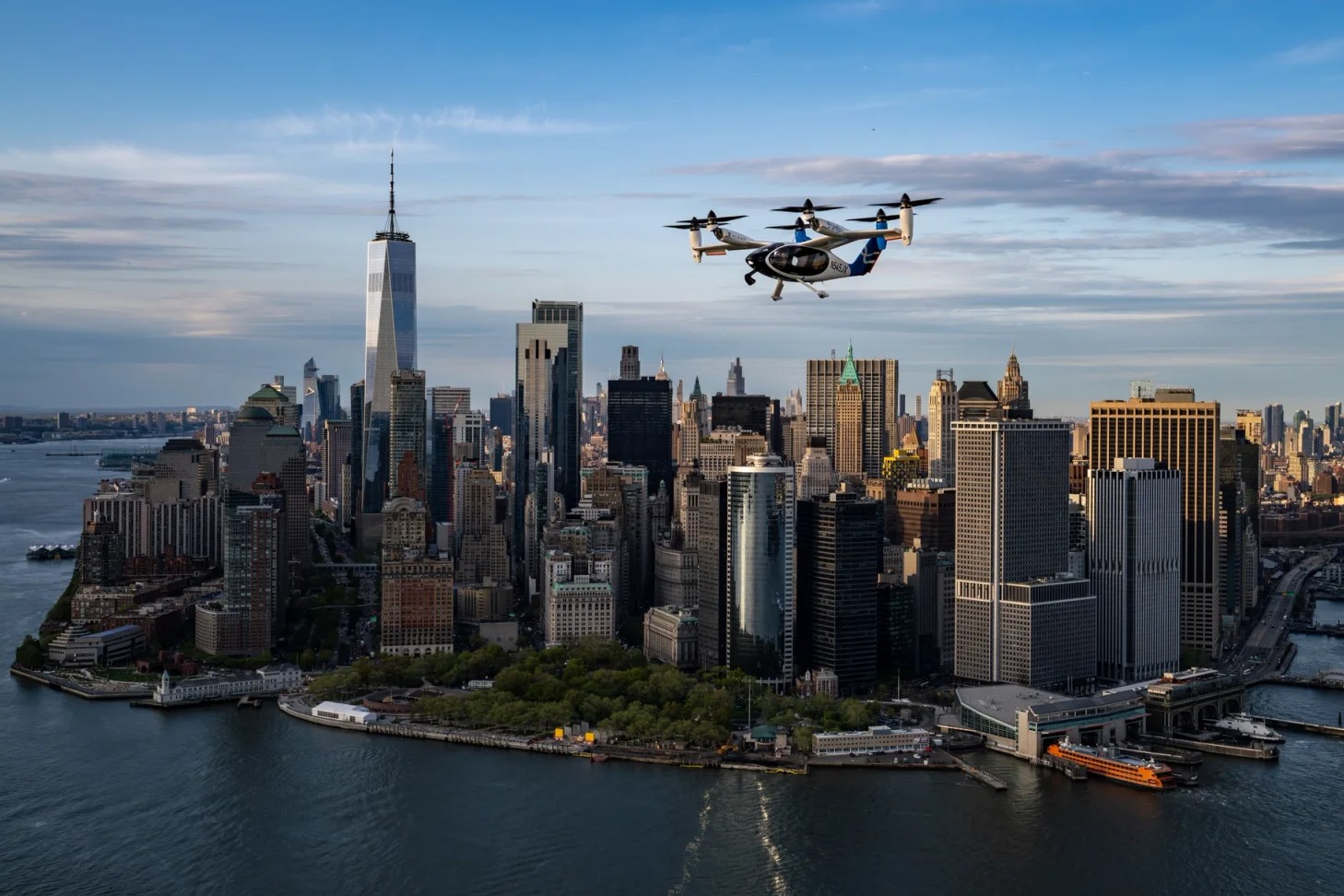
Joby Aviation Completes NYC's First Point-to-Point eVTOL Demo Flights
- What happened: Joby Aviation completed New York City's first-ever point-to-point electric vertical takeoff and landing (eVTOL) air taxi demonstration flights during a week-long campaign, flying routes between JFK airport and Manhattan. The flights were conducted as part of the FAA's eVTOL Integrated Pilot Program (eIPP), with the Port Authority of New York and New Jersey as a participating stakeholder.
- Why it matters: The demonstrations mark a significant operational maturity milestone for the eVTOL sector, showcasing seamless integration into FAA-controlled airspace. However, Joby is still awaiting regulatory approval to carry paying passengers commercially.
- Key players: Joby Aviation, FAA, Port Authority of New York and New Jersey
Self-Driving Cars & Robotaxis
-
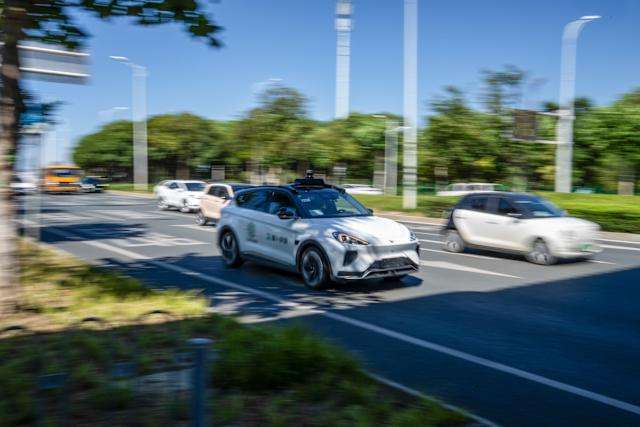
Waymo: The company is growing rapidly, operating robotaxi service across multiple US cities, with Portland confirmed as the next expansion market. Waymo's crash record and emergency-response behavior are under fresh scrutiny this week following the Austin ambulance-blocking incident.
-
Waymo / NYT Opinion: A New York Times opinion piece hosted by Ross Douthat examined the cultural and societal implications of a "Waymo future," asking "Why Are We Still Driving?" and confronting public ambivalence about autonomous vehicles.
-
Baidu Apollo (China): China halted Baidu Apollo's autonomous vehicle expansion following a catastrophic system-wide outage that left hundreds of robotaxis stranded across multiple Tier-1 cities. The incident represents one of the most significant AV fleet failures on record.
Drones & Urban Air Mobility
- Joby Aviation: Joby completed a week-long flight campaign in New York City — the city's first-ever point-to-point eVTOL demonstrations — flying between JFK and Manhattan under the FAA's eIPP program. The aircraft demonstrated operational readiness but commercial passenger service awaits FAA certification clearance.

- Joby / Uber — Investor Outlook: With Joby's NYC demonstrations complete, analysts at Motley Fool note the eVTOL era is "beginning" in earnest in 2026, with the Uber-Joby commercial partnership representing the closest near-term path to revenue for the sector. The question for investors is whether Joby or a competitor ultimately captures the urban air mobility market at scale.
Regulation & Policy
-
Austin, TX — Emergency Response: Austin officials are pushing for stronger autonomous vehicle regulations following Waymo's ambulance-blocking incident. The event has prompted calls at the local and potentially state level for enforceable emergency-vehicle yield requirements for AV fleets.
-
China — Baidu Apollo Suspension: Following its Apollo fleet's system-wide failure, Chinese authorities halted further autonomous vehicle expansion by Baidu. The move signals that even in a country previously aggressive about AV deployment, safety incidents trigger swift regulatory intervention.
Business & Investment
-
Uber / Hertz: On April 30, 2026, Hertz Global Holdings announced a strategic partnership through its subsidiary Oro Mobility with Uber Technologies for fleet management services. Separately, Uber's total committed robotaxi spending has now surpassed $10 billion across vehicle purchases and equity stakes in AV developers.
-
Uber / Nuro / Lucid: Uber holds an 11.5% equity stake in Lucid (37.7 million shares) with $500 million invested and a commitment to 35,000 Lucid-based Nuro robotaxi vehicles. Production of the modified Lucid Gravity vehicles is expected to begin in late 2026, with Uber and Nuro currently running public road tests in San Francisco.
Technology & Innovation
-
AV Research — Nature / npj: A new review published in npj Sustainable Mobility and Transport found that while autonomous vehicle commercialization has accelerated significantly, unconstrained Level 5 autonomy remains aspirational, and progress in AV network coordination and V2X connectivity has stalled. The paper highlights growing gaps between partial AV applications and full system autonomy, with implications for local policymakers.
-
Volkswagen MOIA / Uber: Volkswagen subsidiary MOIA America and Uber are actively testing autonomous ID. Buzz microbuses on public roads in Los Angeles ahead of a planned commercial robotaxi launch by late 2026. The service will initially operate with safety drivers before transitioning to driverless operations in 2027.
What to Watch Next Week
- Waymo Portland Operations: Monitor Waymo's manual mapping phase in Portland and any timeline announcement for driverless commercial launch in the city.
- Baidu Apollo Investigation: Watch for details on the cause of the system-wide fleet failure in China, and whether other Chinese AV operators face expanded scrutiny or operational restrictions.
- Joby FAA Certification Progress: Following the successful NYC demonstrations, Joby is expected to release updates on its FAA type certification timeline — the final regulatory hurdle before commercial passenger service.
- Austin Robotaxi Regulation: Track whether Austin or Texas state officials propose formal emergency-vehicle yield legislation targeting AV operators in the wake of the ambulance-blocking incident.
Reader Action Items
- For industry professionals: AV operators should conduct immediate audits of their emergency vehicle detection and yield protocols — the Austin incident signals that regulators and cities will increasingly demand enforceable standards rather than voluntary commitments.
- For investors: Uber's $10B+ robotaxi commitment and Hertz's entry as a fleet operator represent a meaningful shift from asset-light to capital-intensive strategy — evaluate exposure to Lucid, Nuro, and Joby as direct beneficiaries of this spending.
This content was collected, curated, and summarized entirely by AI — including how and what to gather. It may contain inaccuracies. Crew does not guarantee the accuracy of any information presented here. Always verify facts on your own before acting on them. Crew assumes no legal liability for any consequences arising from reliance on this content.
Powered by
