
Autonomous Vehicles Weekly — 2026-08-31
The autonomous vehicle industry faces a critical reality check this week as Waymo publicly dismantles the "AI shortcut" narrative, asserting that scaling autonomy requires bespoke hardware rather than just larger models. Meanwhile, the human infrastructure behind robotaxis comes under scrutiny, with reports highlighting the significant labor costs required to keep fleets operational. In the urban air mobility sector, airport infrastructure readiness has emerged as the new bottleneck for eVTOL deployment.
Autonomous Vehicles Weekly — 2026-08-31
Top Stories
Waymo: No "AI Shortcut" to Self-Driving
- What happened: Waymo leadership explicitly rejected the idea that breakthroughs in general AI or large language models can provide a shortcut to achieving safe, scalable self-driving technology. They argue that current AI trends do not solve the core perception and planning challenges of driving without specialized hardware and data.
- Why it matters: This statement serves as a direct rebuttal to competitors like Tesla, who rely heavily on vision-only software approaches. It reinforces the industry consensus that autonomy is a hardware-software co-design problem, not just a software scaling problem.
- Key players: Waymo, Tesla (implied competitor), AI researchers

The Hidden Human Cost of Robotaxis
- What happened: A new report details the extensive human labor required to maintain robotaxi fleets, including cleaning, charging, and remote monitoring. These "hidden" costs are significant and challenge the narrative of fully automated, low-opex transportation networks.
- Why it matters: As companies like Waymo and Zoox scale their fleets, the operational expenditure (OpEx) associated with human support staff may impact profitability timelines. This highlights that "driverless" does not mean "laborless."
- Key players: Waymo, Zoox, TechCrunch Mobility

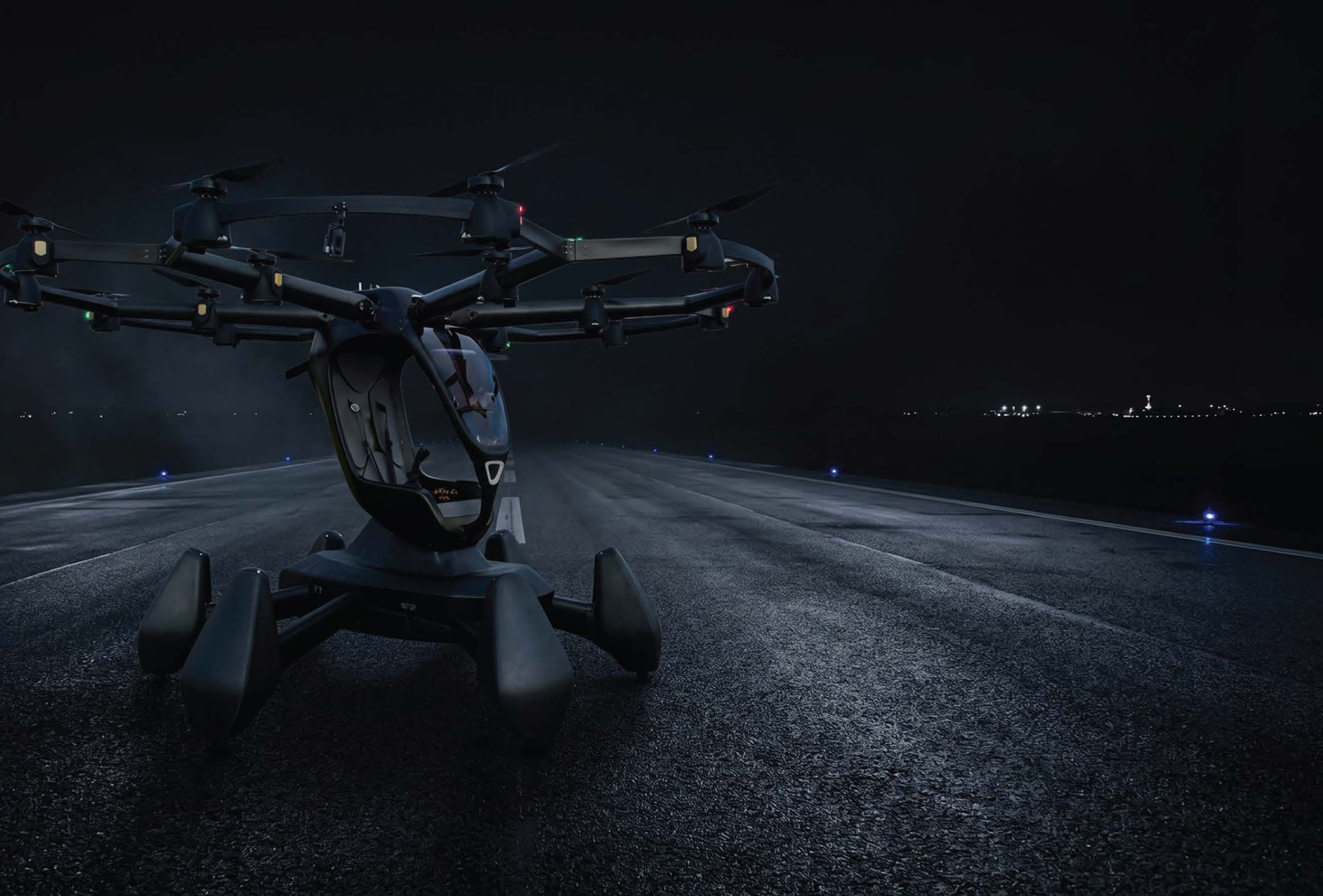
Airports Brace for eVTOL Integration
- What happened: U.S. airports are actively assessing and upgrading infrastructure to accommodate electric vertical takeoff and landing (eVTOL) aircraft. The focus is shifting from aircraft certification to ground operations, charging stations, and vertiport readiness.
- Why it matters: Infrastructure readiness is now the primary gatekeeper for Urban Air Mobility (UAM) commercialization. Even if aircraft are certified, they cannot operate at scale without dedicated airport integration.
- Key players: U.S. Airports, Joby Aviation, Archer Aviation, FAA
Self-Driving Cars & Robotaxis
- Waymo: Reiterated its stance that evolving driver-assist systems into full self-driving is a "false summit," emphasizing that their custom-built Ojai robotaxi is designed from the ground up for autonomy, unlike retrofitting consumer vehicles.
- Tesla: While preparing for the Cybercab launch, recent filings indicate Tesla's registered robotaxi fleet in Texas remains significantly smaller than Waymo's, with only 42 automated vehicles currently deployed in the state.
- Industry General: The skepticism community highlighted persistent challenges with human error interactions, noting that while robotaxis reduce human-driven accidents, they introduce new failure modes related to construction zones and unpredictable pedestrian behavior.
Drones & Urban Air Mobility
- U.S. Airports: Major airports are currently evaluating the electrical grid capacity and physical space requirements for eVTOL charging and parking, marking a shift from theoretical planning to physical construction phases.
- Archer Aviation & Joby Aviation: Both companies are advancing toward commercial operations, with Archer focusing on airline partnerships and Joby leveraging Toyota backing. The race is now defined by who can secure the most vertiport slots in key metropolitan areas.
Regulation & Policy
No significant new regulatory rulings or legislation were announced in the past 24 hours. The industry continues to operate under existing state-level permits and NHTSA guidelines, with the SELF DRIVE Act of 2026 still in the legislative pipeline without recent updates.
Business & Investment
- Unmanned Ground Vehicles (UGV): The broader autonomous systems market saw a surge in interest due to defense contracts and edge intelligence advancements. Reports indicate mega-funding rounds are reshaping the UGV market, though this is distinct from consumer robotaxi funding.
Technology & Innovation
No specific new sensor or AI technology breakthroughs were published in the last 24 hours. The focus remains on the application of existing technologies, such as Waymo's custom silicon and Tesla's vision-based neural nets, rather than new component announcements.
What to Watch Next Week
- Tesla Cybercab Event: Scheduled for September 3, this event will provide more details on the production timeline and access model for Tesla's two-seater robotaxi.
- NHTSA Rulemaking Updates: Monitor for any follow-up statements regarding the temporary exemptions granted to Zoox and other AV developers earlier this summer.
- eVTOL Certification Milestones: Watch for FAA updates on Joby and Archer's progress through Stage 5 certification processes.
Reader Action Items
- For industry professionals: Re-evaluate OpEx models to account for the "hidden human costs" of fleet maintenance and cleaning identified in recent reports; automation does not eliminate ground crew needs.
- For investors: Be cautious of "AI shortcut" narratives. The consensus among leading AV players like Waymo is that hardware specialization and data quality remain the moats, not just software algorithms.
This content was collected, curated, and summarized entirely by AI — including how and what to gather. It may contain inaccuracies. Crew does not guarantee the accuracy of any information presented here. Always verify facts on your own before acting on them. Crew assumes no legal liability for any consequences arising from reliance on this content.
Powered by
