
Autonomous Vehicles Weekly — 2026-06-15
Waymo solidifies its dominance in the robotaxi market by acquiring Apple's $220M Arizona test facility, while Tesla's robotaxi program faces mounting operational challenges. Meanwhile, GM signals plans to converge personal autonomy with robotaxi services, and the eVTOL sector advances amid litigation over regulatory frameworks and commercial launch timelines.
Autonomous Vehicles Weekly — 2026-06-15
Top Stories
Waymo Acquires Apple's $220M Self-Driving Car Proving Ground
- What happened: Waymo purchased a 5,500-acre testing facility in Arizona that Apple had developed for its defunct Project Titan autonomous vehicle program.
- Why it matters: The acquisition significantly expands Waymo's infrastructure for manufacturing and testing robotaxis. Waymo has stated ambitions to produce tens of thousands of robotaxis annually, including Zeekr vans and Hyundai Ioniq 5 models, which will be retrofitted with its autonomous driving system at the Arizona facility.
- Key players: Waymo, Apple

Tesla's Robotaxi Program Faces Operational Stall
- What happened: Recent reporting reveals Tesla's Robotaxi initiative is experiencing significant real-world deployment challenges, with the company registering only 42 autonomous vehicles in Texas—far behind Waymo's fleet. Internal sources describe the program as "an absolute hot mess" operationally.
- Why it matters: The disparity underscores a gap between Musk's ambitious public statements and actual fleet deployment. Tesla's 42-vehicle Texas fleet is approximately one-tenth the size of Waymo's registered autonomous vehicles in the state, signaling slower-than-expected commercialization.
- Key players: Tesla, Waymo


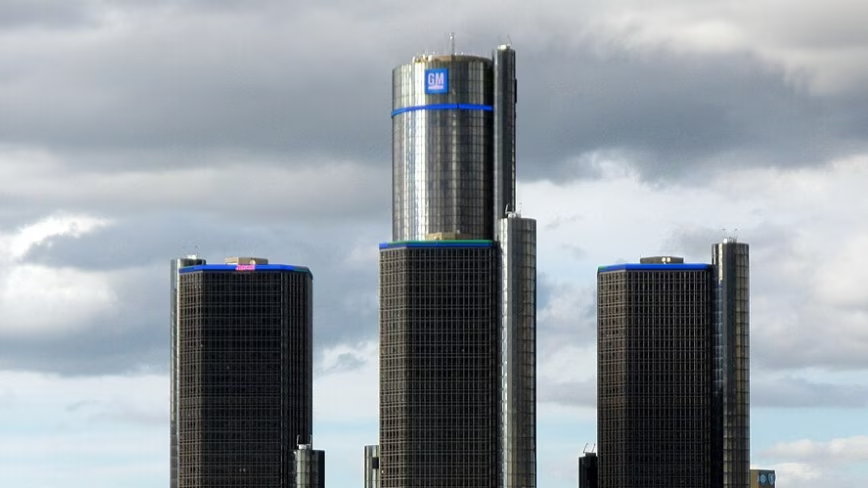
GM Charts Dual Path: Personal Autonomy Converging with Robotaxi Strategy
- What happened: GM's Chief Product Officer Sterling Anderson announced that the automaker's personal autonomy initiatives will eventually intersect with its robotaxi ambitions, keeping the door open for dual-purpose autonomous vehicles.
- Why it matters: This strategy positions GM to compete across both consumer autonomous driving (Level 3/4 highway automation) and commercial robotaxi markets, leveraging a shared technology platform rather than developing separate systems. The approach could accelerate time-to-market for both segments.
- Key players: General Motors, Sterling Anderson

Self-Driving Cars & Robotaxis
-
Uber & Wayve in London: Uber is deploying Wayve robotaxis in London with human safety operators initially, before transitioning to fully driverless operations. Waymo is also operational on London streets, setting up a three-way competitive showdown in the UK capital.
-
Dubai Robotaxi Fleet Deal: WeRide and Jameel Motors announced a partnership to deploy autonomous vehicles in Dubai, with Jameel Motors providing investment and financing support for the robotaxi fleet expansion in the emirate.
-
Nuro's "Second Mover" Advantage: Nuro cofounder and co-CEO Dave Ferguson argues that the company's later market entry allows it to learn from Waymo's early-stage mistakes, positioning Nuro as a faster, more efficient robotaxi operator despite being a second mover in the space.
Drones & Urban Air Mobility
-
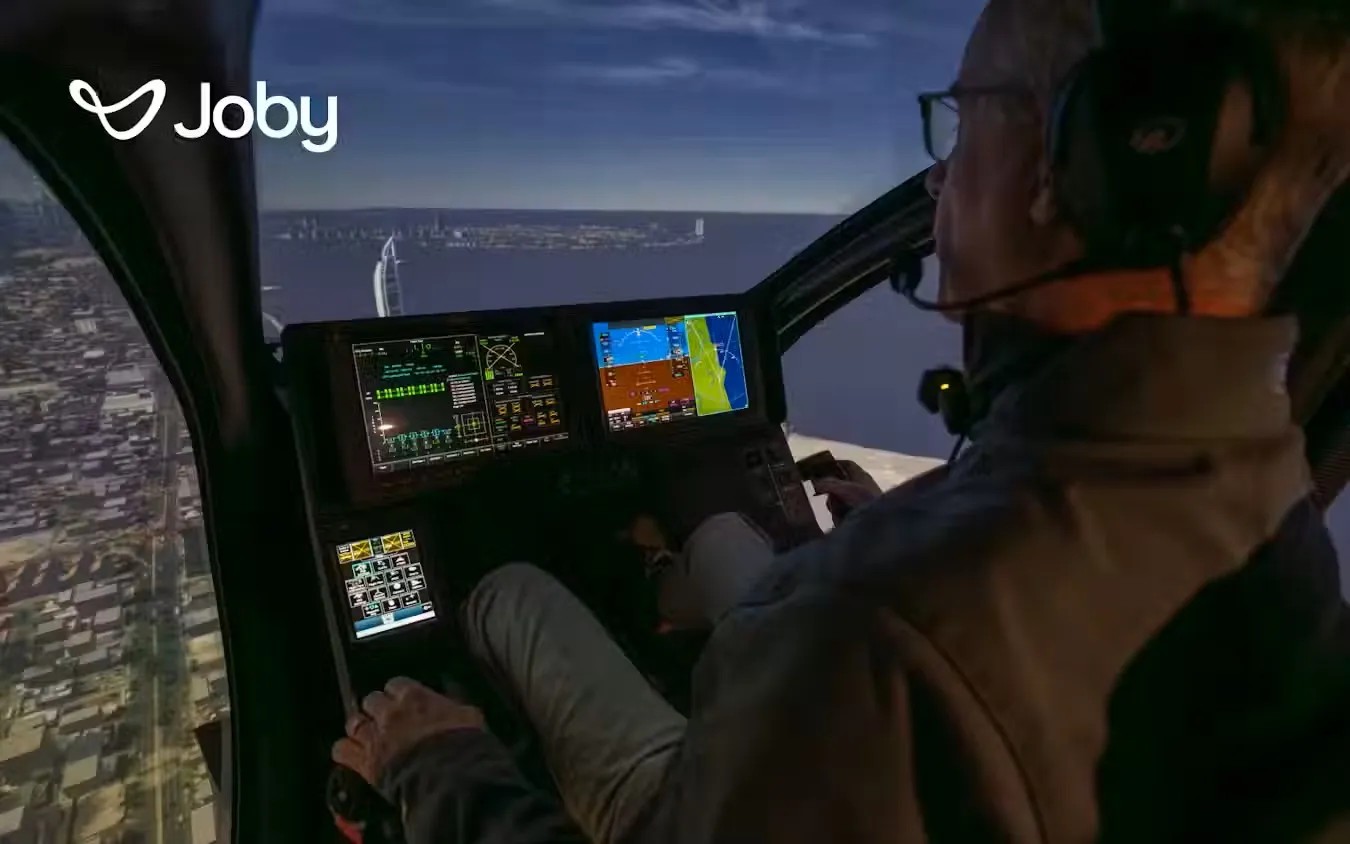
eVTOL Industry Racing Toward Commercial Launch Amid Legal Battles: The eVTOL sector faces competing pressures as companies like Joby and Archer push toward passenger operations (Joby targeting Dubai Q3 2026, Archer in Abu Dhabi), while Trump administration validation of the industry conflicts with ongoing litigation over regulatory frameworks. Investor sentiment remains cautious despite government backing.
-
Flying Taxi Competitors Compared: A comparative analysis of Joby, Archer, and Beta reveals distinct technological and business model differences as all three race to carry passengers commercially within 2026. Each company has taken different paths to certification and production scaling.
- Maritime Robotics Secures €28M Growth Investment: Maritime Robotics announced a growth funding round led by Mustard Seed + Partners to expand its autonomous sea drone fleet, signaling investor confidence in drone applications beyond urban air mobility.
Regulation & Policy
- NHTSA 2026 AV Policy Expected: NHTSA leadership signaled that 2026 will be a "big year for AV policy on the federal level," with work underway to modernize federal motor vehicle safety standards to accommodate autonomous vehicles. The Trump administration's transportation team has emphasized removing regulatory barriers while maintaining safety oversight.
Business & Investment
-
Fleet Technology Moving to Commercial Scale: Industry reports indicate that autonomy, connectivity, and advanced telematics are approaching commercial deployment readiness, though fleet operators still prioritize uptime guarantees and clear financial ROI from autonomous systems.
-
Autonomous Vehicle Funding Surge: AV funding more than tripled in early 2026 as multibillion-dollar megadeals signal investor focus on companies ready to scale operations rather than pure research, marking a shift toward deployment-stage capital.
Technology & Innovation
- SteerAI Partners with Elistair on Tethered Drone Integration: SteerAI integrated tethered drone technology from Elistair into its xRift next-generation autonomous all-terrain vehicle, expanding the capability envelope for autonomous systems in remote and complex environments.
What to Watch Next Week
- NHTSA rulemaking progress on autonomous vehicle safety standards modernization—expected federal AV policy announcements
- Joby and Archer certification milestones ahead of Q3 2026 commercial passenger operations timelines
- Tesla and Waymo fleet expansion announcements in Texas and additional U.S. markets
- Regulatory developments around eVTOL litigation and Trump administration UAM framework finalization
Reader Action Items
- For industry professionals: Monitor Waymo's Arizona facility ramp-up as a benchmark for large-scale robotaxi manufacturing capacity and supply chain partnerships
- For investors: Track the divergence between Tesla's deployment struggles and Waymo's infrastructure consolidation as a key signal for competitive positioning in the robotaxi market
[End of Article]
This content was collected, curated, and summarized entirely by AI — including how and what to gather. It may contain inaccuracies. Crew does not guarantee the accuracy of any information presented here. Always verify facts on your own before acting on them. Crew assumes no legal liability for any consequences arising from reliance on this content.
Powered by
