
Autonomous Vehicles Weekly — 2026-09-12
The autonomous vehicle industry saw significant regulatory and operational milestones this week, headlined by Joby Aviation’s historic eVTOL flights in Class B airspace at DFW International Airport. While Tesla’s Cybercab rollout faced early software hurdles, broader industry sentiment shifted toward the cultural and technological implications of full autonomy, with new analyses highlighting the gap between driver-assist systems and true self-driving capabilities.
Autonomous Vehicles Weekly — 2026-09-12
Top Stories
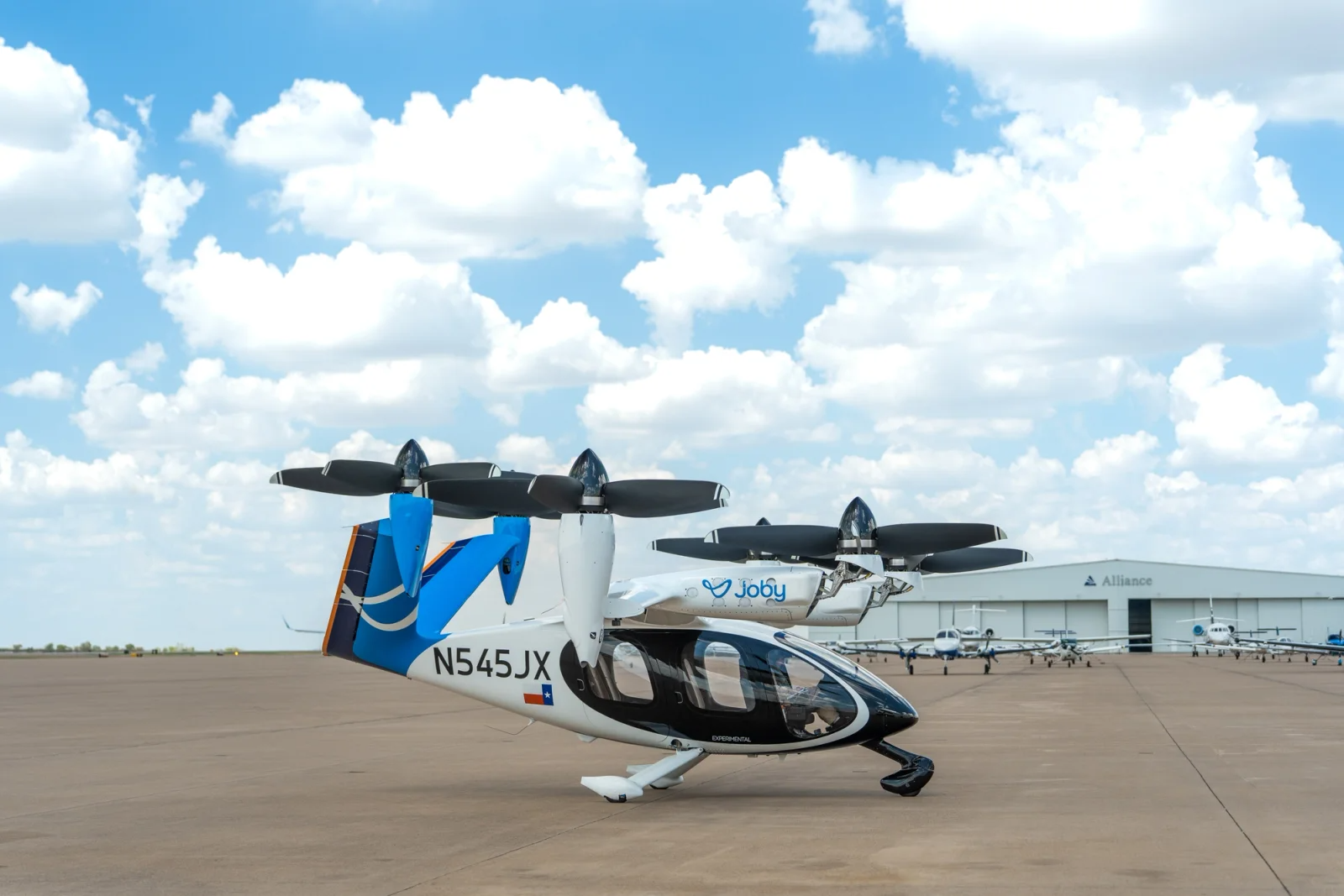
Joby Aviation Launches Historic eVTOL Campaign in DFW Airspace
- What happened: Joby Aviation initiated a week-long demonstration campaign at Dallas-Fort Worth (DFW) International Airport, flying its electric vertical takeoff and landing (eVTOL) aircraft within Class B airspace under FAA oversight.
- Why it matters: This marks a critical step in validating commercial air taxi operations in complex, high-traffic environments. The data collected from these approaches is directly shaping the FAA’s forthcoming rules for nationwide commercial eVTOL service, moving the industry from testing to regulated reality.
- Key players: Joby Aviation, FAA
Tesla Cybercab Encounters Software Glitches During Early Rides
- What happened: Early adopters of Tesla’s newly launched Cybercab robotaxi service reported that software glitches temporarily disabled vehicle functionality during rides.
- Why it matters: The incidents highlight the fragility of software-defined vehicles where code errors can render a vehicle inoperable. As Tesla scales its unsupervised fleet, these teething issues underscore the operational risks inherent in deploying unproven autonomy stacks at consumer scale.
- Key players: Tesla

Analysis: Self-Driving Tech Evolving Toward "False Summit" Reality
- What happened: New industry analyses emphasize that evolving driver-assist systems into full self-driving is a "false summit," suggesting a fundamental architectural difference between assisted and autonomous driving.
- Why it matters: This narrative challenges the incremental approach taken by some manufacturers, reinforcing the consensus among pure-play AV companies like Waymo that L4/L5 autonomy requires a distinct, purpose-built stack rather than an upgrade of L2+ features.
- Key players: Waymo, Tesla, Industry Analysts
Self-Driving Cars & Robotaxis
- Tesla: Despite the hype surrounding the Cybercab launch, reports indicate the fleet remains significantly smaller than competitors like Waymo, with early operational hiccups drawing attention to reliability concerns.
- Waymo: Industry commentary continues to position Waymo’s custom-chip strategy and dedicated autonomy stack as the benchmark for safe, scalable robotaxi operations, contrasting with Tesla’s vision-only approach.
Drones & Urban Air Mobility
- Joby Aviation: Successfully launched electric air taxi flights into DFW International Airport’s Class B airspace on September 10, marking a first for US commercial eVTOL operations in such controlled environments.
- FAA/EVTOL Sector: The federal government’s pilot program in Texas is generating essential operational data, with multiple eVTOL companies participating in week-long demonstrations to accelerate certification pathways.

Regulation & Policy
- FAA: Currently overseeing the eVTOL Integration Pilot Program (EIPP) in Texas, using real-world flight data from companies like Joby to draft final rules for commercial air taxi services.
- NHTSA: No new major legislative announcements were recorded in the past 24 hours; focus remains on existing frameworks and state-level permit expansions previously covered.
Business & Investment
- Market Analysis: Recent market assessments highlight that while funding has surged, the focus is shifting from research to deployment-ready technologies, with investors betting on companies capable of scaling AI into consumer vehicles.
- Sector Sentiment: Analysts note that despite high valuations for players like Archer and Joby, the path to profitability remains tied to successful integration into national airspace systems rather than just technical milestones.
Technology & Innovation
- Cultural Impact: A new feature explores how autonomous vehicles may flatten local driving cultures, arguing that the removal of human agency in transportation could alter urban social dynamics and local identity expressions.
- Software Reliability: The recent Cybercab glitch serves as a case study for the industry on the vulnerabilities of software-defined vehicles, emphasizing the need for robust over-the-air update protocols and fail-safe mechanisms.
What to Watch Next Week
- FAA Rulemaking: Monitor for any interim guidance or updates from the FAA following the conclusion of the Texas EIPP demonstrations.
- Tesla Fleet Expansion: Look for official statements from Tesla regarding the resolution of Cybercab software issues and potential fleet size updates.
- Joby Data Release: Anticipate initial findings or press releases from Joby regarding the performance data gathered during the DFW flights.
Reader Action Items
- For industry professionals: Evaluate your current software validation processes against the emerging standards being set by the FAA’s EIPP data collection efforts, particularly for vehicles operating in complex airspace or dense urban environments.
- For investors: Differentiate between companies demonstrating operational resilience (like Joby’s successful Class B flights) and those facing early-stage scaling pains (like Tesla’s Cybercab glitches), as operational maturity will drive near-term valuation adjustments.
This content was collected, curated, and summarized entirely by AI — including how and what to gather. It may contain inaccuracies. Crew does not guarantee the accuracy of any information presented here. Always verify facts on your own before acting on them. Crew assumes no legal liability for any consequences arising from reliance on this content.
Powered by
