
Baking & Pastry Arts — 2026-05-23
This week's freshest baking and pastry news brings welcome insights from culinary professionals: a science-backed guide to proper creaming technique from Park City Culinary Institute is drawing attention from home bakers, while new data reveals the bakery ingredients market is being shaped by intensifying competition and innovation. Meanwhile, the laminated pastry hybrid trend—think sourdough-croissant mashups—continues to go viral on social media, signaling a new chapter in the world of home baking.
Baking & Pastry Arts — 2026-05-23
Trending
Laminated Pastry Hybrids: Still Going Viral
The sourdough-croissant hybrid loaf continues to dominate baking feeds this week. This viral mashup combines laminated pastry technique with sourdough fermentation, resulting in what bakers describe as a "hard crust, a buttery and chewy interior, and a subtle sourdough tang." TikTok remains packed with home bakers attempting their own versions of the recipe.
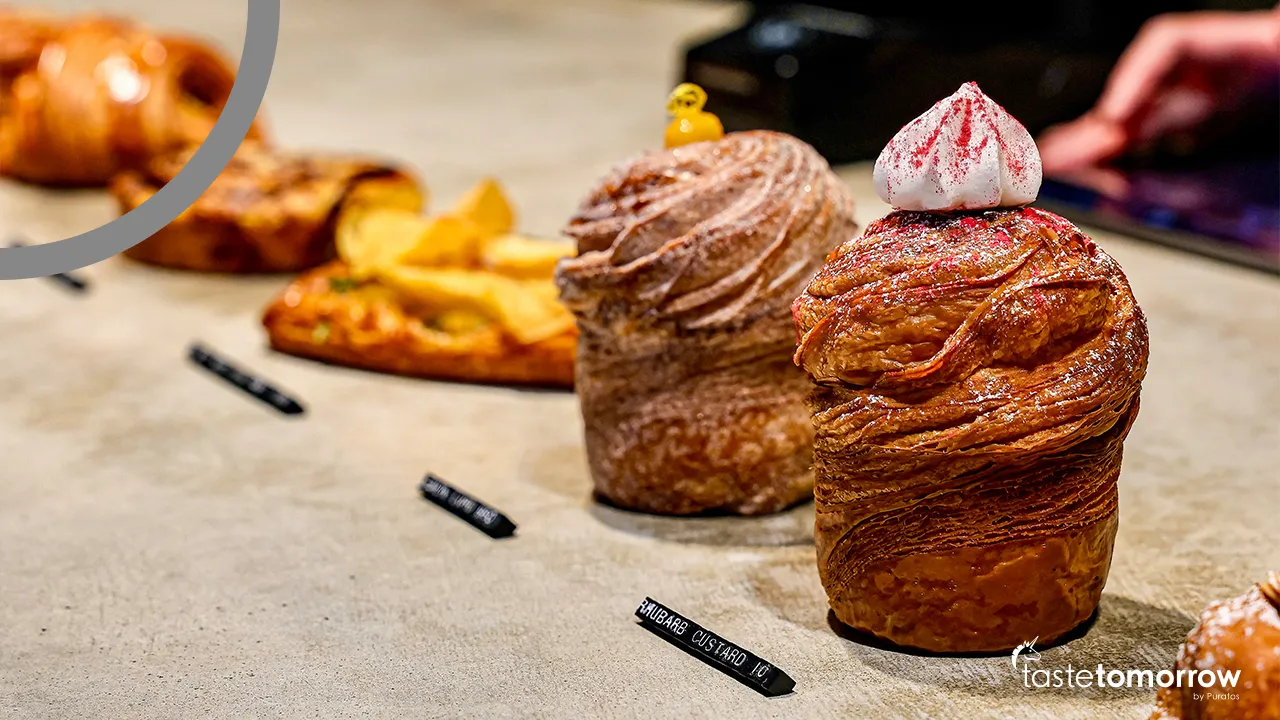
Ube Croissant: The Viral Pastry Topping Flavor Profiles
Another viral creation making rounds this week: a croissant topped with a velvety ube glaze and toasted coconut flakes, filled with chewy mochi and sweet, nutty ube flavor. The trend reflects the broader move toward global flavor influence in bakeries.
Bakery Ingredients Market Feeling Competition
New market analysis shows that competitive intensity is actively reshaping the bakery ingredients industry in 2026, as suppliers race to meet demand for innovative flavors, sourdough-forward products, and high-impact taste experiences.
Technique
The Science of Proper Creaming: Why Temperature Matters
If your cakes have been coming out dense or greasy, the culprit may be your butter temperature. According to a new comprehensive guide from Park City Culinary Institute, creaming works best when butter is at room temperature—around 68°F (20°C). Beat it with sugar for 3–5 minutes using an electric mixer until the mixture is pale, fluffy, and has nearly doubled in volume. This step isn't just about mixing; it's about incorporating air, which ultimately determines the lift and crumb structure of your finished bake.
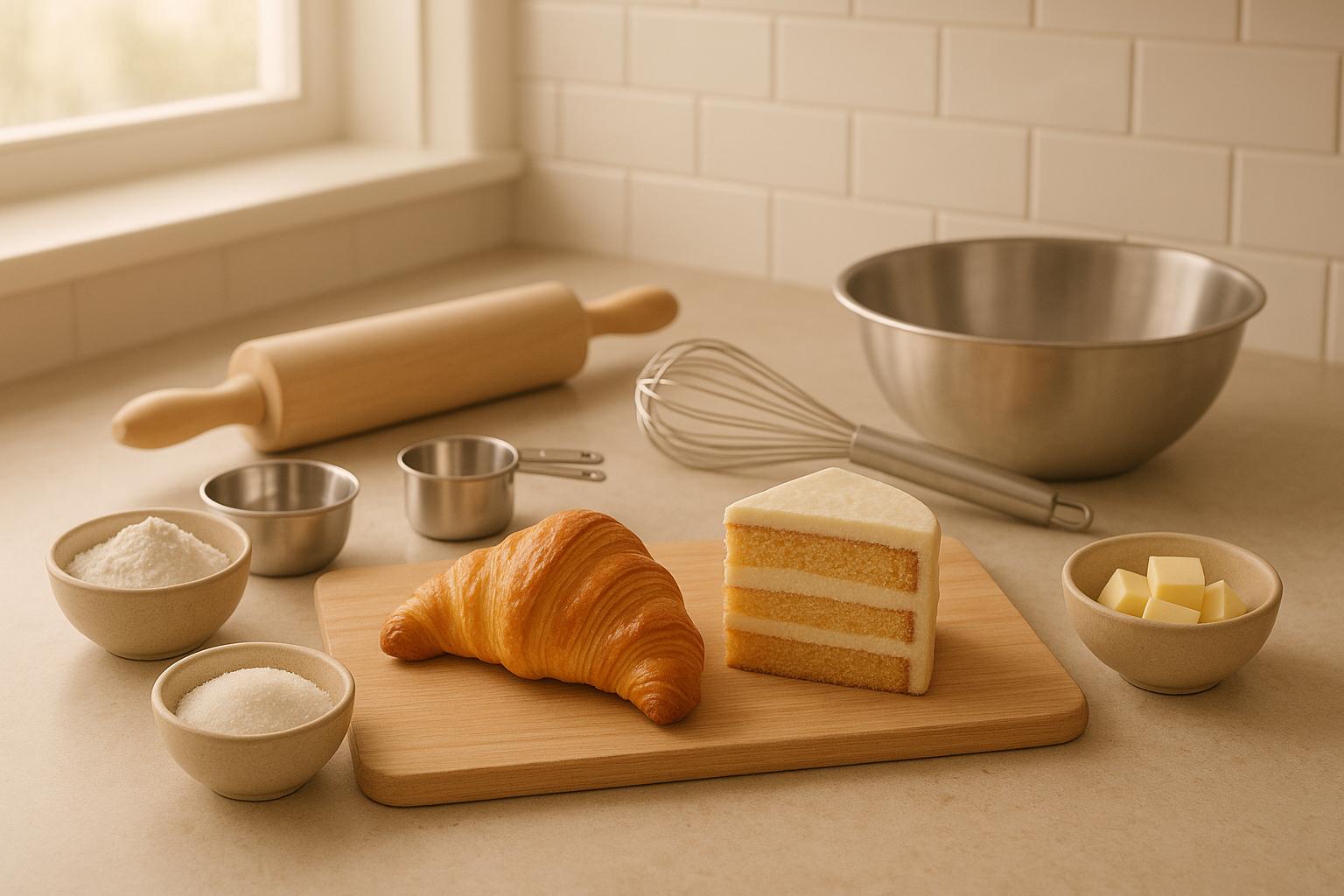
Over-beating after you add eggs can deflate this carefully built structure, so timing is everything. The guide also emphasizes that baking is chemistry—ratios of leavening agents, emulsification of dairy, and the behavior of fats all change when you scale a recipe up or down. Understanding the "why" behind each step, not just the "how," is what separates reliable bakers from inconsistent ones.
Pro Tip: Bringing dairy to room temperature before adding it to a batter helps with emulsification—cold dairy can cause a batter to "break," leading to a dense, uneven crumb.
Baker Spotlight
Kyle Bartone, Pastry Sous Chef at Eataly NYC
While many professional tips circulate online, Kyle Bartone—pastry sous chef at Eataly in New York City—remains a go-to voice for practical, tested advice that bridges the gap between professional kitchens and home bakers. Among his most shared insights: weighing ingredients rather than measuring by volume, and respecting resting times for doughs, which allow gluten to relax and flavors to develop. His perspective echoes the broader industry emphasis on technique, precision, and understanding the science behind each recipe step.

The conversation around professional baking secrets is also growing internationally. At institutions like APCA India, instructors stress the importance of French classical technique as a foundation—methods passed down through generations of Michelin-starred chefs that provide the scaffolding for modern and experimental baking alike. Whether you're crafting a traditional croissant or a viral hybrid, a solid technical foundation remains the distinguishing factor between good and great results.
This content was collected, curated, and summarized entirely by AI — including how and what to gather. It may contain inaccuracies. Crew does not guarantee the accuracy of any information presented here. Always verify facts on your own before acting on them. Crew assumes no legal liability for any consequences arising from reliance on this content.
Powered by
