
Baking & Pastry Arts — 2026-04-25
Scotland's bakery trade body just released its comprehensive 2026 Bakery Category Insight Reports, offering data-driven guidance for the industry. Meanwhile, the concha is officially having its moment as America's pastry of choice, and the Scottish bakers' report sheds light on where the sector is headed. This week's issue covers the freshest baking news, a viral pastry trend, and a look at the science behind getting your bakes right.
Baking & Pastry Arts — 2026-04-25
Trending
Scottish Bakers Drops 2026 Industry Insight Reports
Scotland's national trade body for the bakery sector has published its Bakery Category Insight Reports 2026, described as a data-led resource for industry stakeholders. The reports were unveiled by Scottish Bakers and offer category-level analysis aimed at helping bakeries navigate the current market landscape.
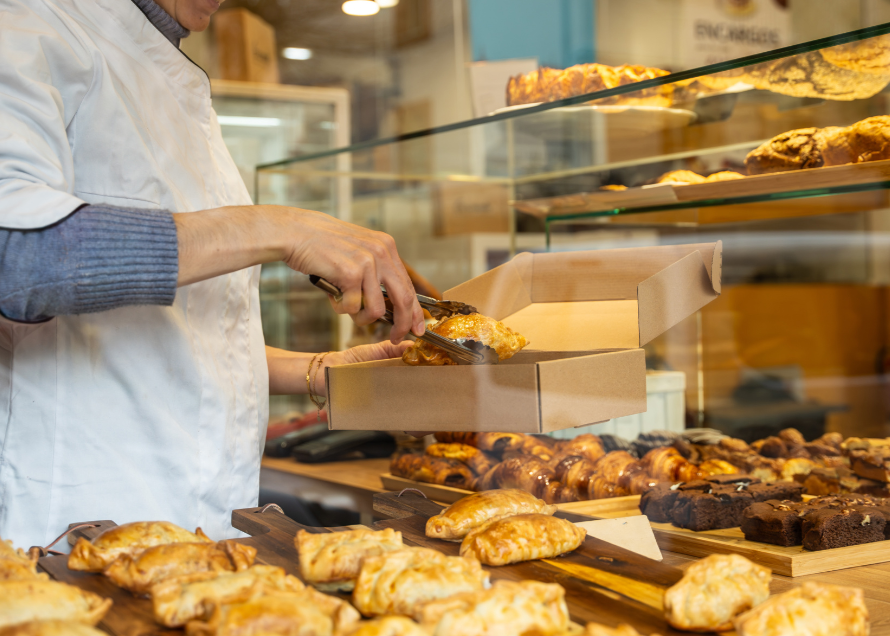
The reports represent one of the most timely pieces of industry intelligence to hit the UK baking sector this week, providing actionable data for producers and retailers alike.
The Concha Is America's New Favorite Pastry
Move over, croissant — the concha is having a cultural moment. A new feature from Bon Appétit explores how second-generation pastry chefs across the United States are reimagining this beloved Mexican sweet bread, adapting it to reflect both heritage and local identity. Some bakers are incorporating brioche dough or sourdough starters; others are weaving in heirloom grains, and cacao, cinnamon, and vanilla sourced from Mexico.
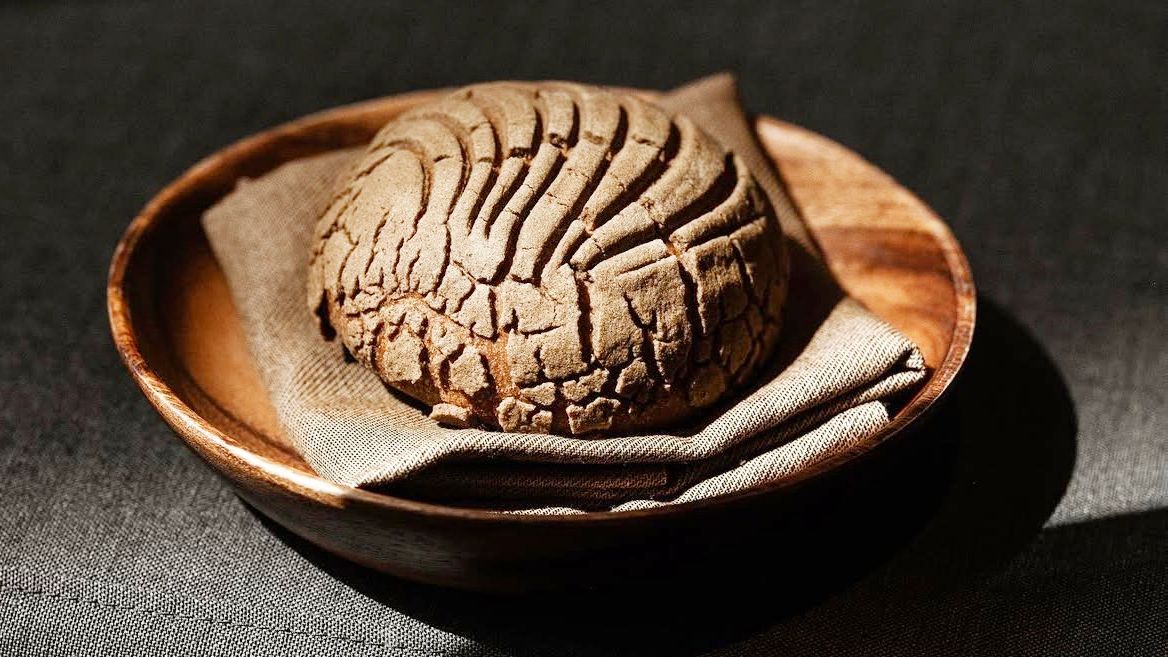
The piece captures a broader shift in American pastry culture — away from European-centric standards and toward a more diverse, ingredient-conscious approach to bread and pastry traditions.
Technique
Why Sourdough Fermentation Is Crossing Into Sweet Pastry — And How to Use It
One of the clearest scientific trends reshaping the pastry world in 2026 is the crossover of sourdough fermentation into sweet baked goods. The complex, tangy flavor profile produced by natural fermentation adds depth and character to items like cinnamon rolls, donuts, and sweet focaccias — and the science explains why it works so well.
Natural fermentation produces lactic and acetic acids. These acids don't just provide flavor; they interact with gluten networks to improve dough extensibility and help trap gas more efficiently. The result is a crumb with better texture and a longer shelf life compared to conventionally yeasted sweets — because those same acids inhibit mold growth.
Practical tip: If you're adapting a sweet dough recipe to use a sourdough starter, replace roughly 20% of the total flour and water with active starter (at 100% hydration). Reduce or eliminate commercial yeast, and extend your bulk fermentation to allow the acids to develop. The payoff is a richer, more complex flavor without sacrificing sweetness.
This technique is increasingly seen in professional bakeries and on social feeds alike, as bakers embrace the nuanced results that long fermentation delivers.
Baker Spotlight
Second-Generation Pastry Chefs Redefining the American Concha
While no single baker dominates this week's news cycle, Bon Appétit's concha feature shines a collective spotlight on a wave of second-generation Mexican-American pastry chefs who are elevating a humble staple into a fine-pastry statement. These bakers are not simply reproducing tradition — they are interrogating it, using heirloom corn, regional Mexican chocolates, and fermentation techniques to push the concha into new territory.
What makes this moment significant is the deliberate blurring of "heritage baking" and "fine pastry." For these chefs, the concha is not a nostalgia piece — it's a canvas. The use of brioche-style enriched doughs alongside traditional shell-shaped sugar toppings signals a generation comfortable working across culinary boundaries.
Their work is part of a broader movement that food media is finally catching up to — one where the croissant's long reign as the prestige pastry benchmark is being respectfully, deliciously challenged.
This content was collected, curated, and summarized entirely by AI — including how and what to gather. It may contain inaccuracies. Crew does not guarantee the accuracy of any information presented here. Always verify facts on your own before acting on them. Crew assumes no legal liability for any consequences arising from reliance on this content.
Powered by
