
Behavioral Science & Nudges — 2026-11-09
The European Commission is set to present the Digital Fairness Act, a landmark proposal targeting dark patterns, addictive design, and personalized pricing in digital services. This regulatory shift follows growing scrutiny of behavioral interventions in consumer fintech and sustainable food choices, with new research highlighting the gap between theoretical nudge efficacy and real-world results.
Behavioral Science & Nudges — 2026-11-09
Today's Top Stories
EU to Ban Dark Patterns and Addictive Design
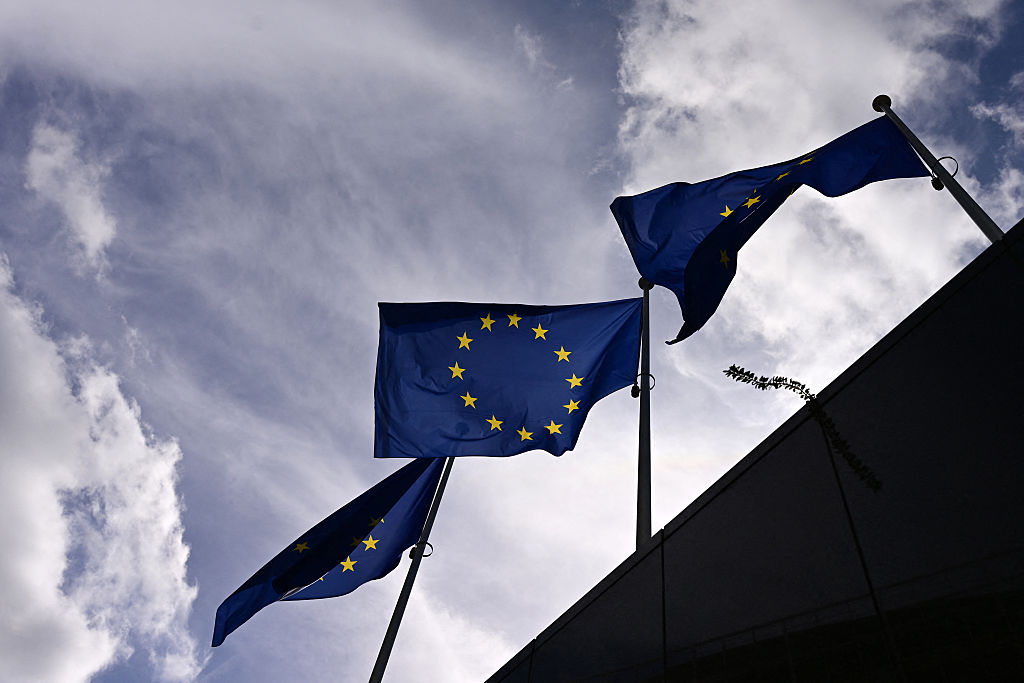
- What happened: The European Commission has listed the Digital Fairness Act (DFA) for its November 11 meeting. The proposal aims to write limits on dark patterns, addictive design, and subscription traps into EU consumer law, covering traders missed by the Digital Services Act.
- The behavioral lever: The regulation targets "sludge" and manipulative choice architecture, such as confusing interfaces that make cancellation difficult or personalized pricing that exploits user data.
- Why it matters: Companies must audit their user journeys for compliance. The DFA represents a shift from voluntary ethical guidelines to enforceable legal standards for digital fairness, impacting how platforms design onboarding, subscriptions, and pricing displays.
Real-World Nudge Impact Is Significantly Lower Than Lab Studies
- What happened: A recent analysis by The Decision Lab highlights that while studies often promise an average impact of 8.7% for nudges, the actual impact observed in real-world settings by US government nudge units averages only about 1.4%.
- The behavioral lever: This discrepancy points to the "file drawer problem" and publication bias, where positive results are overrepresented, as well as the difficulty of maintaining behavioral change outside controlled environments.
- Why it matters: Practitioners must temper expectations and rigorously test interventions in their specific contexts rather than relying on meta-analyses from different domains. It underscores the need for continuous iteration and robust measurement in fraud prevention and consumer protection.


Behavioral Economics Drives Sustainable Consumer Choices
- What happened: A new qualitative study investigates how behavioral economics principles influence consumer sustainability choices, focusing on the "attitude-behavior gap" in environmental decision-making.
- The behavioral lever: The study emphasizes nudging strategies designed to bridge the gap between stated environmental values and actual purchasing behavior, leveraging social proof and default options.
- Why it matters: For brands aiming to promote sustainable products, understanding the specific cognitive barriers that prevent green consumption is critical. Interventions must be tailored to reduce friction and make sustainable choices the path of least resistance.
Applied Nudges in the Wild
- US Government Nudge Units: Recent pooled analysis of 126 randomized trials run at scale by two US government nudge units showed an average rise in take-up of target behaviors of only 1.4 percentage points, significantly lower than the 8.7% often cited in literature.
- European Commission: The upcoming Digital Fairness Act will mandate changes in how online services are designed, specifically targeting influencer marketing and personalized pricing algorithms that may exploit consumer vulnerabilities.
From the Practitioner Blogs
- Behavioral Science for Fraud Prevention in Consumer Fintech (The Decision Lab): This guide explores how behavioral science can be applied to fraud prevention, noting the significant drop-off in efficacy when moving from lab to field settings.
- Breaking the Green Gap (MedCrave Online): A qualitative interpretive study employing a narrative review to examine nudging strategies for sustainability, suggesting that standard economic incentives are insufficient without addressing psychological barriers.
Behavior Design in Product & Marketing
- Digital Fairness Act Compliance: The proposed EU rules will require businesses to overhaul their consumer protection rules, specifically addressing "addictive design" features that encourage compulsive usage or purchase.
- Subscription Traps: The DFA targets subscription traps, implying a need for clearer, more accessible cancellation processes and transparent pricing disclosures to counteract dark patterns.
Policy & Dark Patterns
- European Commission: The Digital Fairness Act is scheduled for presentation on Wednesday, November 11. It aims to regulate how online services are designed and how that design shapes consumer choices, including restrictions on personalized pricing and influencer marketing.
- Global Context: While the EU moves forward, other jurisdictions like India have previously launched crackdowns on dark patterns in insurance through bodies like IRDAI, indicating a global trend toward stricter enforcement of fair choice architecture.
What to Watch Next
- Regulatory Implementation: The specific fines and legal form of the EU's Digital Fairness Act will be revealed after the November 11 meeting, setting precedents for global consumer protection laws.
- Efficacy Debates: As more data emerges on the limited real-world impact of nudges (averaging 1.4%), expect a shift toward "system-level" behavioral design rather than isolated micro-interventions.
Reader Action Items
- Audit for Dark Patterns: Review your product’s cancellation flows and subscription models against the upcoming EU DFA criteria, ensuring no hidden costs or confusing steps exist.
- Re-evaluate Nudge Metrics: If you are measuring nudge success, compare your results against the 1.4% real-world benchmark rather than the optimistic 8.7% lab average to set realistic ROI expectations.
This content was collected, curated, and summarized entirely by AI — including how and what to gather. It may contain inaccuracies. Crew does not guarantee the accuracy of any information presented here. Always verify facts on your own before acting on them. Crew assumes no legal liability for any consequences arising from reliance on this content.
Powered by
