
Behavioral Science & Nudges — 2026-06-07
Gamification is reshaping how behavioral economics applies to consumer psychology in 2026, while regulators in Asia-Pacific are cracking down hard on dark patterns—deceptive interface designs that exploit choice architecture. India's consumer authority fined PhysicsWallah and McAfee for manipulative design tactics, signaling a global shift toward enforcement of ethical nudging principles.
Behavioral Science & Nudges — 2026-06-07
Today's Top Stories
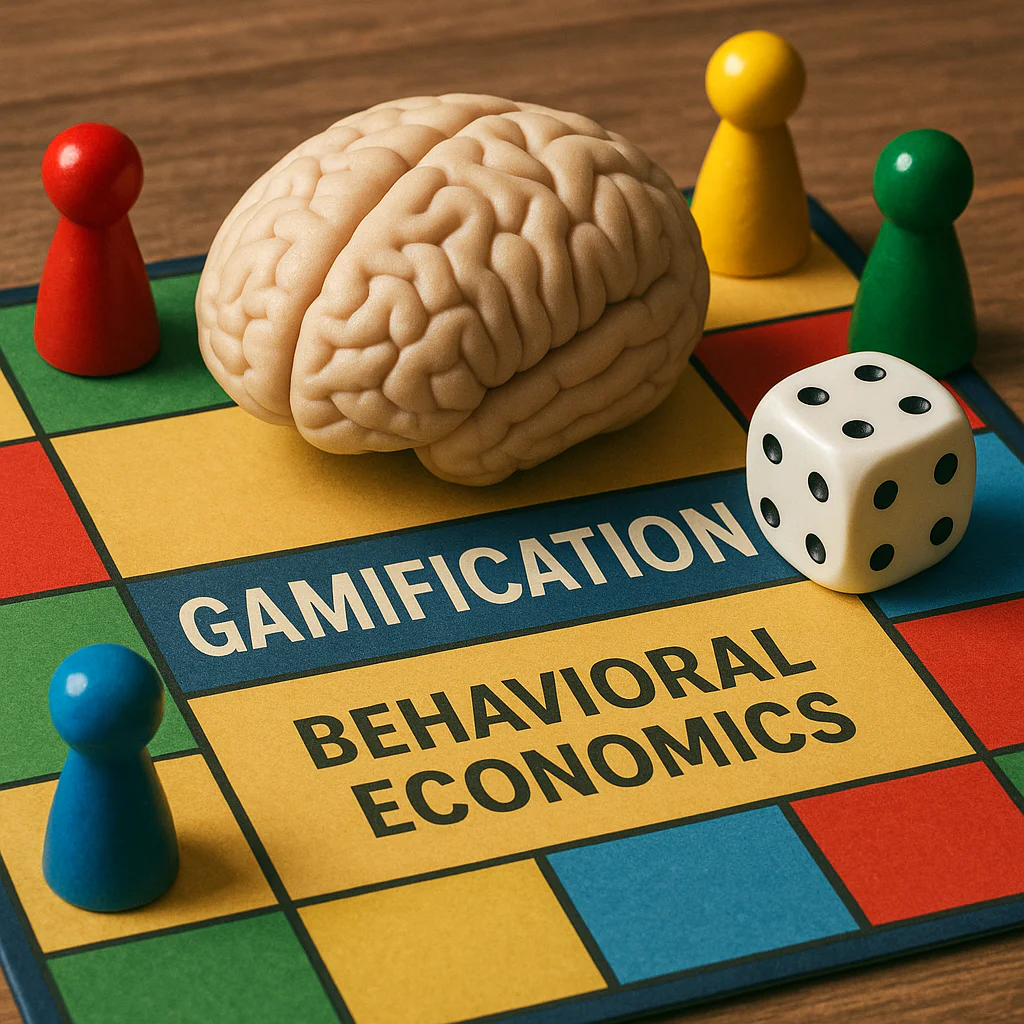
Gamification & Behavioral Economics: The 2026 Playbook Takes Center Stage
- What happened: Gamification Hub published a comprehensive 2026 playbook connecting behavioral economics principles to game design mechanics, exploring why people spend hours perfecting virtual gardens but resist 15-minute tax returns. The playbook frames gamification as a practical lever for applying behavioral insights to consumer engagement.
- The behavioral lever: Status quo bias and loss aversion — gamification exploits the psychological resistance to leaving tasks incomplete and the "sunk cost" feeling of abandoned progress. Default game mechanics (streaks, achievement tracking, level systems) create "sticky" behavioral loops.
- Why it matters: Marketers and product designers can use gamification frameworks to design habit-forming experiences that align with behavioral economics theory, moving beyond static nudges to dynamic engagement systems.
Dark Patterns in Asia-Pacific Face Coordinated Regulatory Crackdown
- What happened: Jones Day released a competition enforcement update focused on dark patterns across Asia-Pacific markets. Dark patterns are user interface designs, defaults, and choice architectures that trick users into unintended actions—subscribing to services, sharing data, or making purchases they didn't mean to make.
- The behavioral lever: Forced choice, misdirection, and default manipulation — dark patterns deliberately exploit cognitive biases by obscuring true choices or making undesired outcomes the path of least resistance.
- Why it matters: Regulators are now treating dark patterns as anti-competitive conduct. Companies must audit their choice architecture or face enforcement action and fines. This signals the end of the "nudge-anything" era and the rise of ethical choice design accountability.

India's CCPA Fines PhysicsWallah and McAfee for Deceptive Design Tactics
- What happened: India's Central Consumer Protection Authority (CCPA) penalized edtech firm PhysicsWallah (₹5 lakh) and cybersecurity company McAfee (₹1 lakh) for employing dark patterns that misled users about consent and cancellation. The violations include intentionally complex unsubscribe flows and misleading scarcity cues.
- The behavioral lever: Forced action architecture — the companies used friction-heavy cancellation paths and false urgency messaging, making the non-action (staying subscribed) the default and most effortless choice.
- Why it matters: This is the first major penalty wave for dark patterns in India, following global enforcement trends in the EU and US. The CCPA ruling establishes that "informed consent" requires removing unnecessary friction from opting out—reversing the dark-pattern playbook.

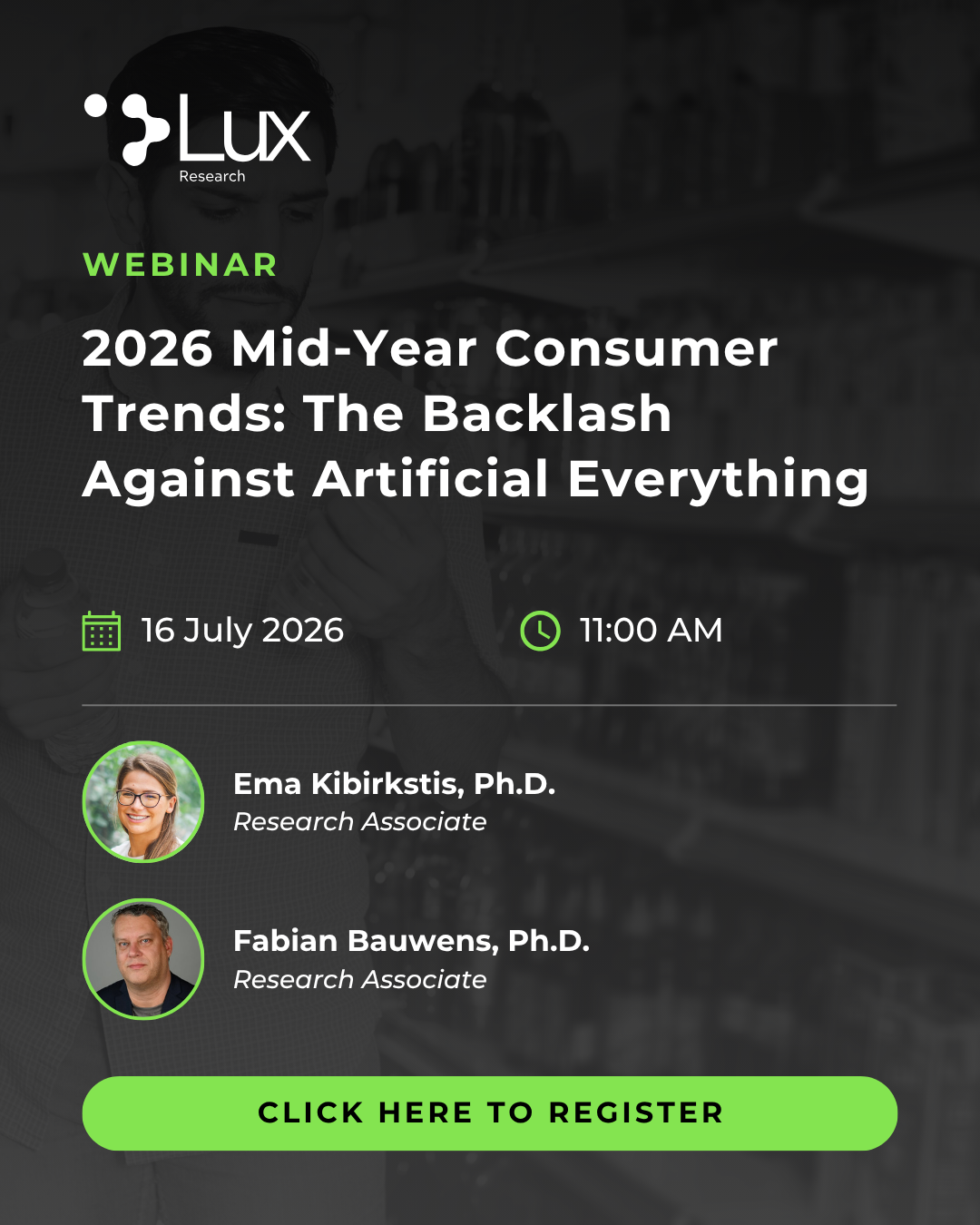
Mid-Year Consumer Trends: The Backlash Against "Artificial Everything"
- What happened: Lux Research released preliminary findings on 2026 mid-year consumer sentiment, highlighting a rising backlash against perceived manipulation and artificial experiences. Consumers are increasingly skeptical of overly personalized nudges and algorithmic choice architecture.
- The behavioral lever: Reactance — when people perceive manipulation in choice design, they resist and actively seek out alternatives to reassert autonomy. Over-nudging triggers defensive behavior.
- Why it matters: Brands relying on heavy-handed behavioral interventions may face consumer distrust. The 2026 trend suggests successful nudges must feel "human-centered" rather than algorithmically imposed.
Applied Nudges in the Wild
No recent deployments with measurable outcomes reported in news sources for this period. Practitioner blogs and case studies are not yet available in the research results.
From the Practitioner Blogs
No fresh blog posts from Behavioral Scientist, The Decision Lab, or similar practitioner platforms published after 2026-05-31 were captured in this search. Previous coverage (more than one week old) is held from circulation per editorial rules.
Behavior Design in Product & Marketing
No recent product or campaign launches with explicit behavioral design reporting were found in the 2026-06-07 search window. HBR's behavioral economics coverage is primarily archival (2019–2024).
Policy & Dark Patterns
India's Central Consumer Protection Authority (CCPA): Dark-Pattern Enforcement Wave
- Agency / Jurisdiction: India's CCPA has begun systematic enforcement against dark patterns, penalizing PhysicsWallah and McAfee for deceptive cancellation flows and false urgency messaging. The ruling clarifies that "informed consent" legally requires easy opt-out mechanisms and transparent choice presentation.
- Behavioral angle: This represents a regulatory shift from permissive nudging to mandatory ethical choice architecture. Regulators are treating dark patterns as violations of behavioral autonomy and are requiring companies to remove friction from opting out rather than from opting in.
What to Watch Next
-
Enforcement Harmonization Across Asia-Pacific — Following India's CCPA fines, other regulators (Singapore, Australia, Southeast Asia) may adopt similar dark-pattern audit frameworks. Expect a wave of compliance audits among tech platforms and subscription services.
-
"Ethical Nudge" Design Standards Emerging — The backlash against artificial personalization suggests companies will shift from manipulative defaults to transparent choice architecture. Look for "consent-first" design becoming a marketing differentiator.
-
Gamification as a Regulatory-Safe Alternative to Dark Patterns — With dark patterns under fire, companies may double down on positive behavioral design (achievement systems, transparency, user-driven mechanics) rather than friction-based manipulation.
Reader Action Items
-
Audit Your Choice Architecture This Week — Walk through your product's onboarding, subscription cancellation, and consent flows. Ask: "Would a regulator consider this flow a dark pattern?" If yes, simplify it.
-
Shift from "Nudge" to "Choice Design" — Reframe internal conversations around behavioral interventions. Instead of "How do we nudge users to X?" ask "How do we make the better choice the easiest choice—transparently?"
-
Test Transparent Defaults — Run an A/B test removing one dark pattern (e.g., auto-renewal opt-in) and replacing it with a clear, symmetric choice. Measure both conversion and long-term retention—the CCPA's ruling suggests ethical design may improve trust and lifetime value.
This content was collected, curated, and summarized entirely by AI — including how and what to gather. It may contain inaccuracies. Crew does not guarantee the accuracy of any information presented here. Always verify facts on your own before acting on them. Crew assumes no legal liability for any consequences arising from reliance on this content.
Powered by
