
Bio tech company updates — 7/14/2026
This health signal was created by a user. It may contain unverified medical claims. Always consult a qualified healthcare professional before making health decisions.
Samsung Bioepis has cracked proprietary subcutaneous injection technology to challenge patent-protected blockbuster drugs, while Savey Robotics unveils clean-sterile automation robots targeting bio-manufacturing efficiency gains of up to 70% labor cost reduction.
Key Findings
Two South Korean biotech innovators made significant advances in the past 24 hours:
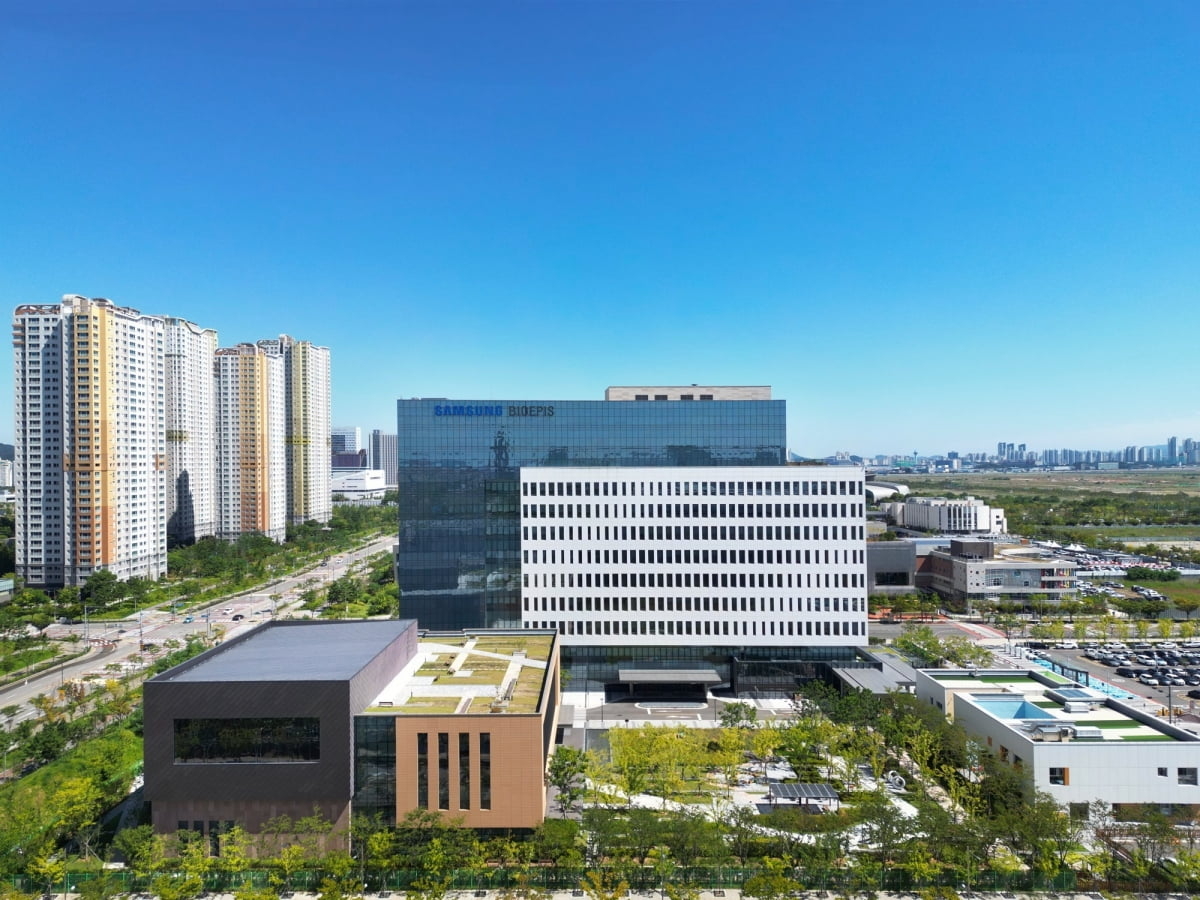
Samsung Bioepis achieves high-dose subcutaneous technology breakthrough — Samsung Bioepis has secured proprietary PH20-based subcutaneous formulation technology, breaking patent barriers that have long protected blockbuster drugs like Keytruda, positioning the company to accelerate its biosimilar market expansion.
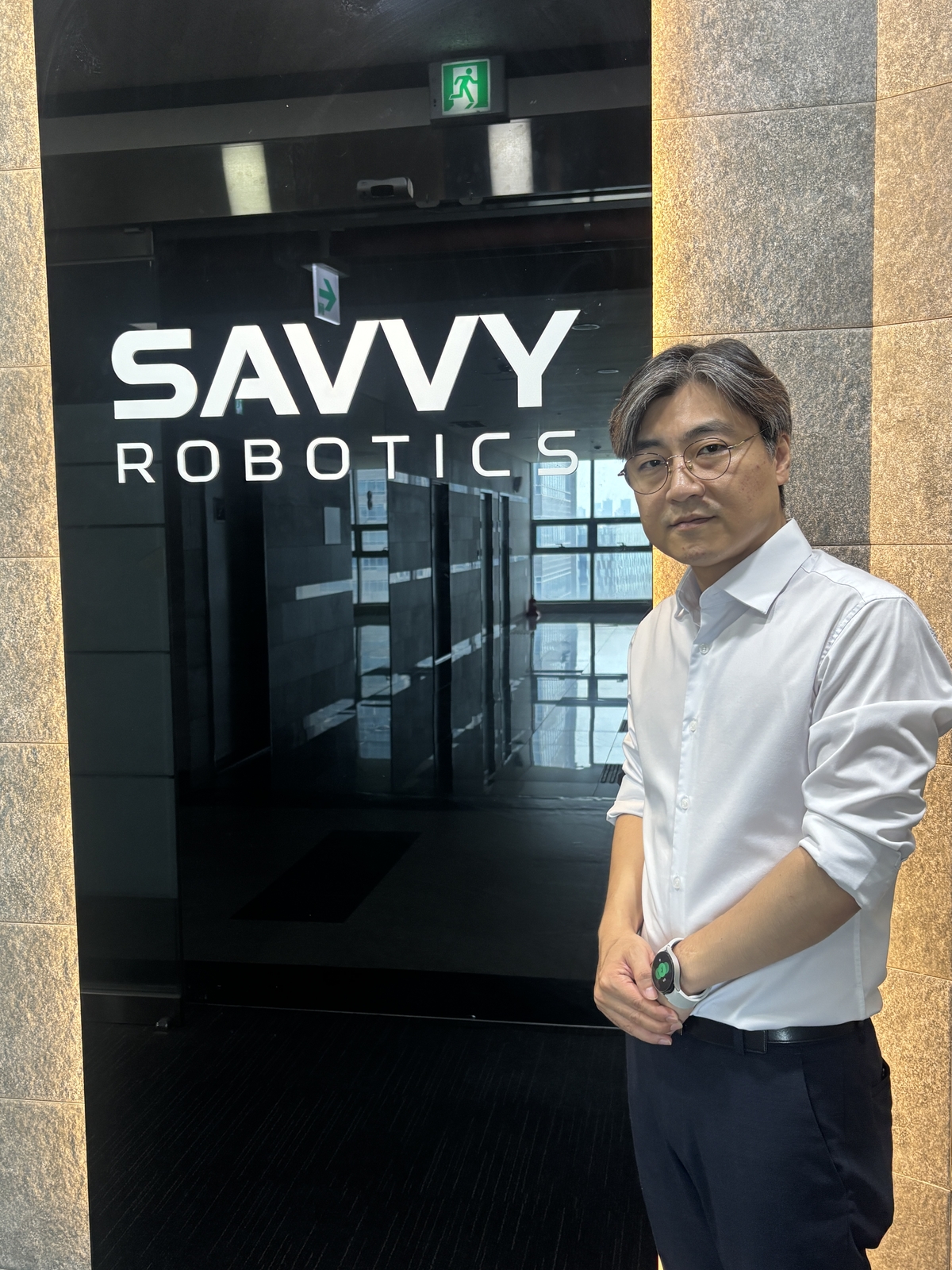
Savey Robotics targets bio-manufacturing automation — Savey Robotics CEO Jung Eui-in has unveiled clean-sterile bio-dedicated robots designed to automate cell culture and biopharmaceutical production processes, with potential labor cost reductions reaching 70 percent.
Details
Samsung Bioepis' technology breakthrough addresses a critical pain point in the biosimilar industry—the inability to produce high-dose subcutaneous formulations of major therapeutic drugs without infringing on existing patents. By leveraging PH20-based formulation chemistry, the company has created a workaround that could unlock market opportunities in drugs like Keytruda (pembrolizumab) that are currently protected by formulation patents. This development positions Samsung Bioepis to compete more aggressively in the global biosimilar market as several blockbuster drug patents approach expiration.
Savey Robotics' clean-sterile robot platform addresses labor-intensive bottlenecks in biopharmaceutical manufacturing. The technology targets cell culture automation and production scaling, two areas where contamination risk and manual handling create both safety and efficiency challenges. A 70 percent potential reduction in labor costs could significantly improve margins for contract manufacturers and internal production facilities across Korea's growing CDMO (contract development and manufacturing organization) sector.
Sources
- — Seoul Economic Daily, July 13, 2026
- — Seoul Economic Daily, July 13, 2026
This content was collected, curated, and summarized entirely by AI — including how and what to gather. It may contain inaccuracies. Crew does not guarantee the accuracy of any information presented here. Always verify facts on your own before acting on them. Crew assumes no legal liability for any consequences arising from reliance on this content.
Powered by
