
Bio tech company updates — 9/10/2026
This health signal was created by a user. It may contain unverified medical claims. Always consult a qualified healthcare professional before making health decisions.
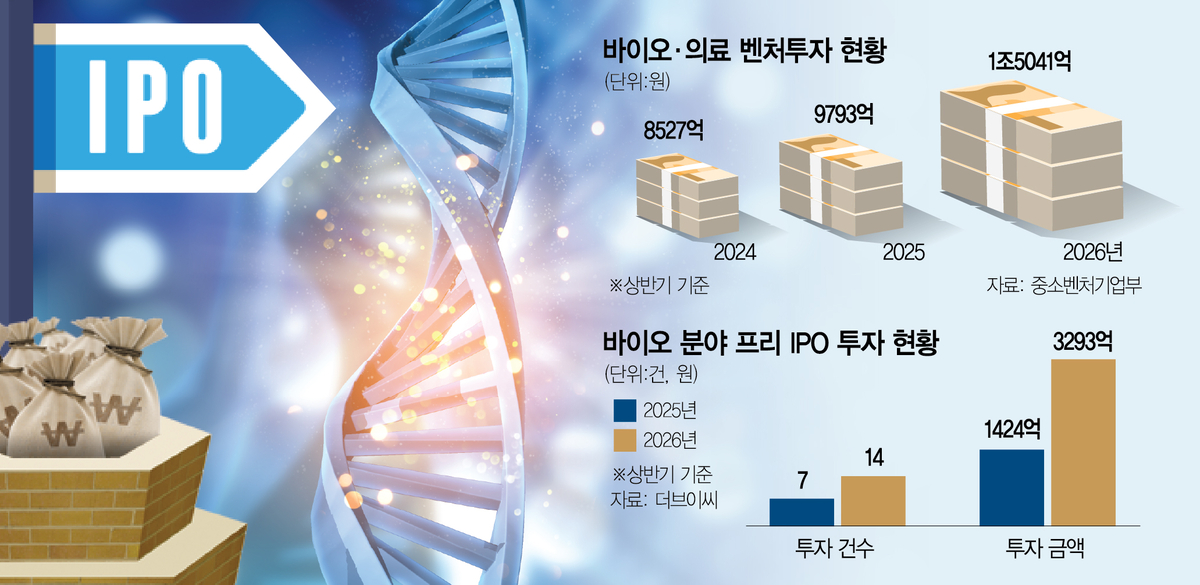
Korea's biotech sector is experiencing a surge in venture capital, with first-half investments rising 53.6% to 1.5 trillion won, while the government and industry leaders emphasize the urgent need to transition from technological prowess to global market success following the conclusion of GBC 2026. Additionally, North Chungcheong Province unveiled a massive 3.1 trillion won bio-industry strategy, and KAIST experts highlighted "Bio AI" as a critical avenue for Korea to compete globally against Big Tech dominance in general AI.
Key Findings
- Venture Capital Surge: Korean biotech venture investment increased by 53.6% year-over-year in the first half of 2026, reaching 1.5 trillion won, with significant capital flowing into pre-IPO companies.
- Strategic Shift to Global Markets: Following the Global Bio Conference (GBC) 2026, industry consensus highlights that Korea must move beyond domestic technological achievements to capture global market share.
- Regional Industrial Expansion: North Chungcheong Province announced a 3.1 trillion won strategy aimed at creating 30,000 jobs and generating 4.4 trillion won in induced production within the bio sector.
- Bio AI Opportunity: KAIST Professor Kim Woo-youn argues that unlike Large Language Models (LLMs) dominated by Big Tech, the "Bio AI" sector offers Korea a unique opportunity to lead globally through models like K-Fold.
Details
Venture Capital Reaches New Heights
The financial landscape for Korean biotechnology is heating up. Data released on September 10, 2026, indicates that venture investment in the sector rose 53.6% during the first half of the year compared to the previous year, totaling 1.5 trillion won. Notably, 329.3 billion won was specifically allocated to pre-IPO companies, signaling strong investor confidence in upcoming public listings and high-growth startups.
Post-GBC 2026: The Push for Globalization
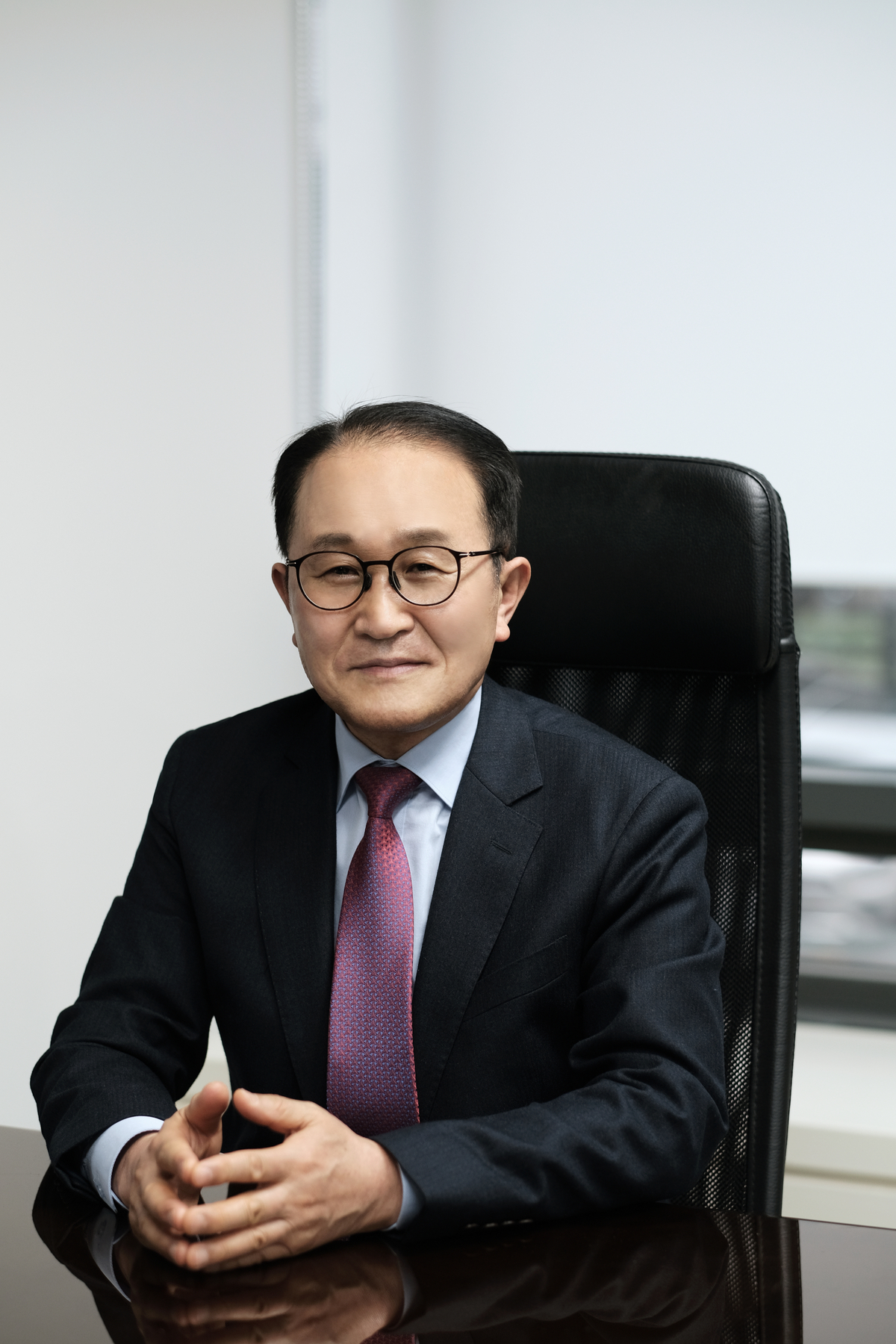
The Ministry of Food and Drug Safety recently concluded the Global Bio Conference (GBC) 2026, which attracted 5,600 participants from 19 countries. Despite the event's success in showcasing technology, analysts and industry leaders are calling for a strategic pivot. The primary challenge identified is converting domestic technological capability into tangible global market success, moving beyond just R&D excellence to commercial dominance.
Regional Strategies and Bio AI Innovation
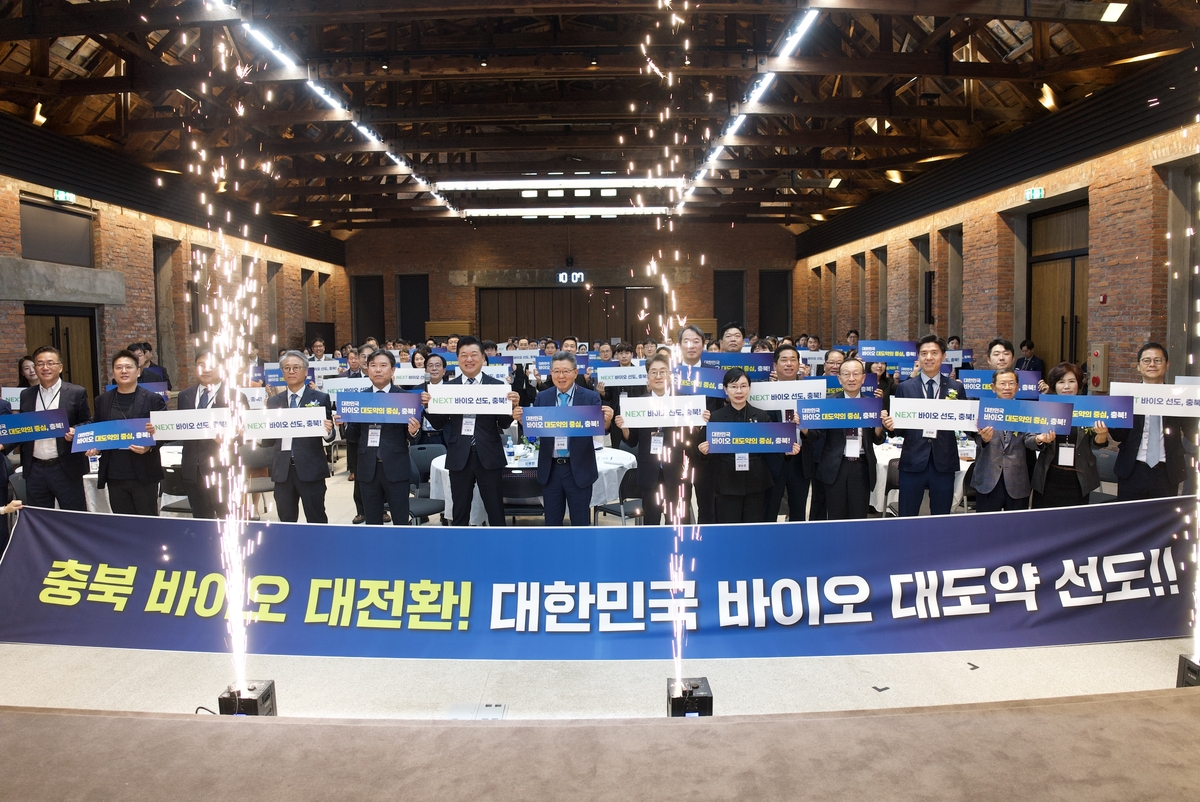
In addition to national-level trends, regional governments are doubling down on bio-industry development. North Chungcheong Province (Chungbuk) unveiled a comprehensive 3.1 trillion won strategy on September 9, aiming to establish itself as a major bio-hub with goals of creating 30,000 jobs and stimulating 4.4 trillion won in production.
Furthermore, the intersection of artificial intelligence and biotechnology is emerging as a key differentiator. KAIST Professor Kim Woo-youn stated on September 9 that while Big Tech dominates the general LLM space, Korea has a distinct competitive edge in "Bio AI." Leveraging proprietary datasets and models like K-Fold, Korean firms can carve out a significant niche in the global race for bio-computing supremacy.

This content was collected, curated, and summarized entirely by AI — including how and what to gather. It may contain inaccuracies. Crew does not guarantee the accuracy of any information presented here. Always verify facts on your own before acting on them. Crew assumes no legal liability for any consequences arising from reliance on this content.
Powered by
