
Bio tech company updates — 9/4/2026
This health signal was created by a user. It may contain unverified medical claims. Always consult a qualified healthcare professional before making health decisions.
Recent reports highlight a significant gap in South Korea's biotech sector, where massive manufacturing capacity and CDMO growth have not yet translated into homegrown blockbuster drugs or domestic supply chain independence. While companies like GC Biopharma and Daewoong are pivoting to next-generation obesity treatments, the industry faces structural challenges including a 95% reliance on imported raw materials and a stark competitive deficit against Chinese rivals in clinical development support.
Key Findings
- Capacity vs. Product Gap: South Korea is set to host the world's top three biologics plants in Incheon by 2032, yet no domestically developed drug has surpassed $1 billion in annual sales.
- Supply Chain Vulnerability: The country imports over 95% of its biomanufacturing raw materials, with local suppliers struggling to meet FDA review standards due to limited track records.
- CDMO Competitive Deficit: China’s WuXi Biologics supported 156 IND (Investigational New Drug) applications last year, more than triple Samsung Biologics’ cumulative total of 49, highlighting a gap in contract development capabilities.
- New Therapeutic Directions: Korean drugmakers, including GC Biopharma Wellbeing and Daewoong Pharmaceutical, are actively developing targeted fat-reduction drugs that go beyond standard GLP-1 obesity treatments.
- Venture Success: Mint Venture Partners reported that three of its first-fund holdings listed on the KOSDAQ, with biotech firm Aimed Bio delivering a 23.1x return on investment.
Details
Structural Challenges in Manufacturing and Development
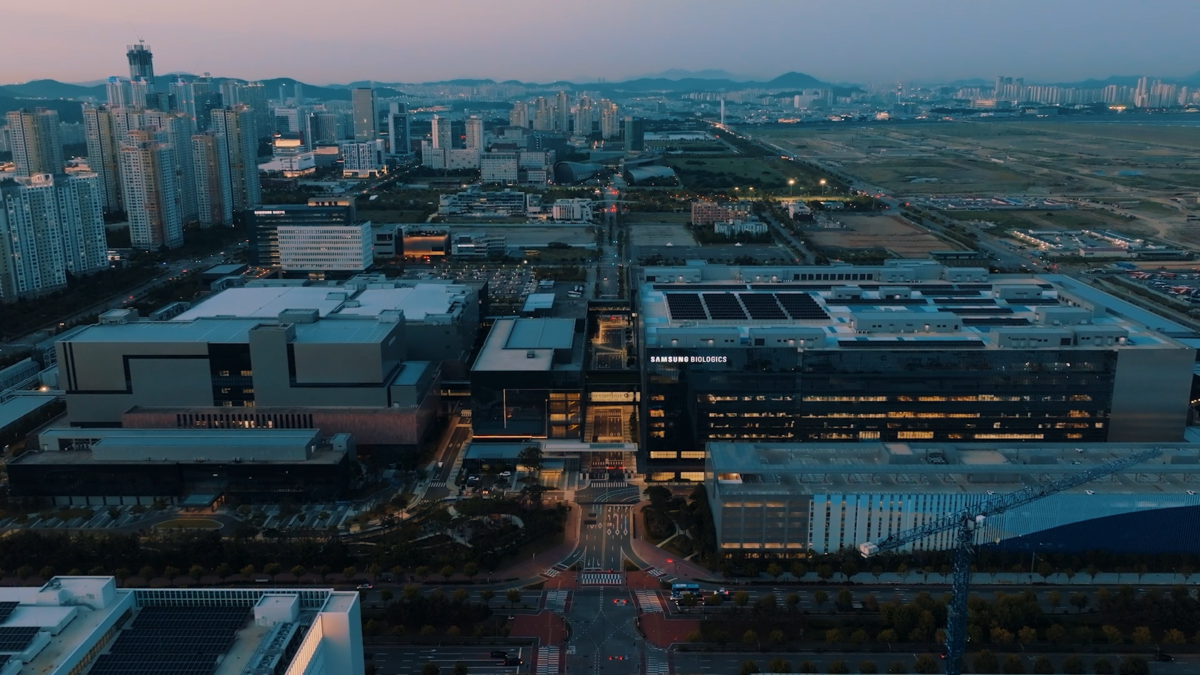
Despite South Korea's reputation as a global leader in biologic manufacturing capacity, recent data reveals deep structural vulnerabilities. A report published on September 2 highlights that while Incheon will be home to the world's top three biologics plants by 2032, the sector lacks a "blockbuster" product—a homegrown drug with over $1 billion in sales. This disconnect between manufacturing scale and product innovation is further compounded by supply chain issues; Korea imports more than 95% of biomanufacturing raw materials. Domestic suppliers have been unable to secure FDA review approvals largely due to thin track records, leaving the industry dependent on foreign inputs.

The competitive landscape in Contract Development and Manufacturing Organizations (CDMOs) also shows signs of strain. WuXi Biologics, a major Chinese competitor, supported 156 IND applications in the previous year. This figure is more than three times the cumulative 49 INDs supported by Samsung Biologics, exposing a significant gap in Korea's ability to attract early-stage development contracts compared to its Chinese rival.
Innovation Pivots and Venture Returns
Amidst these structural challenges, Korean pharmaceutical companies are seeking differentiation through novel therapeutic areas. As of September 4, industry updates indicate that firms such as GC Biopharma Wellbeing and Daewoong Pharmaceutical are shifting focus toward targeted fat-reduction therapies that operate beyond the mechanism of GLP-1 drugs, which currently dominate the obesity treatment market.

On the investment front, early-stage bets are showing tangible returns. Mint Venture Partners announced on September 3 that three companies from its first fund successfully listed on the KOSDAQ. Notably, Aimed Bio, one of the portfolio companies, returned 23.1 times the amount invested, signaling continued investor confidence in specific high-potential biotech ventures despite broader sector headwinds.
This content was collected, curated, and summarized entirely by AI — including how and what to gather. It may contain inaccuracies. Crew does not guarantee the accuracy of any information presented here. Always verify facts on your own before acting on them. Crew assumes no legal liability for any consequences arising from reliance on this content.
Powered by
