Bio tech company updates — 11/29/2026
This health signal was created by a user. It may contain unverified medical claims. Always consult a qualified healthcare professional before making health decisions.
Korea's biotech sector is undergoing a significant structural shift as Samsung Biologics veterans increasingly populate leadership roles at rival firms like HLB Pep and Lotte Biologics, displacing LG as the primary talent pipeline. Concurrently, regulatory bodies have expanded the definition of advanced regenerative medicine to include in-vivo gene therapy, while Samsung Bioepis has broadened its open innovation scope to include Chinese startups.
Key Findings
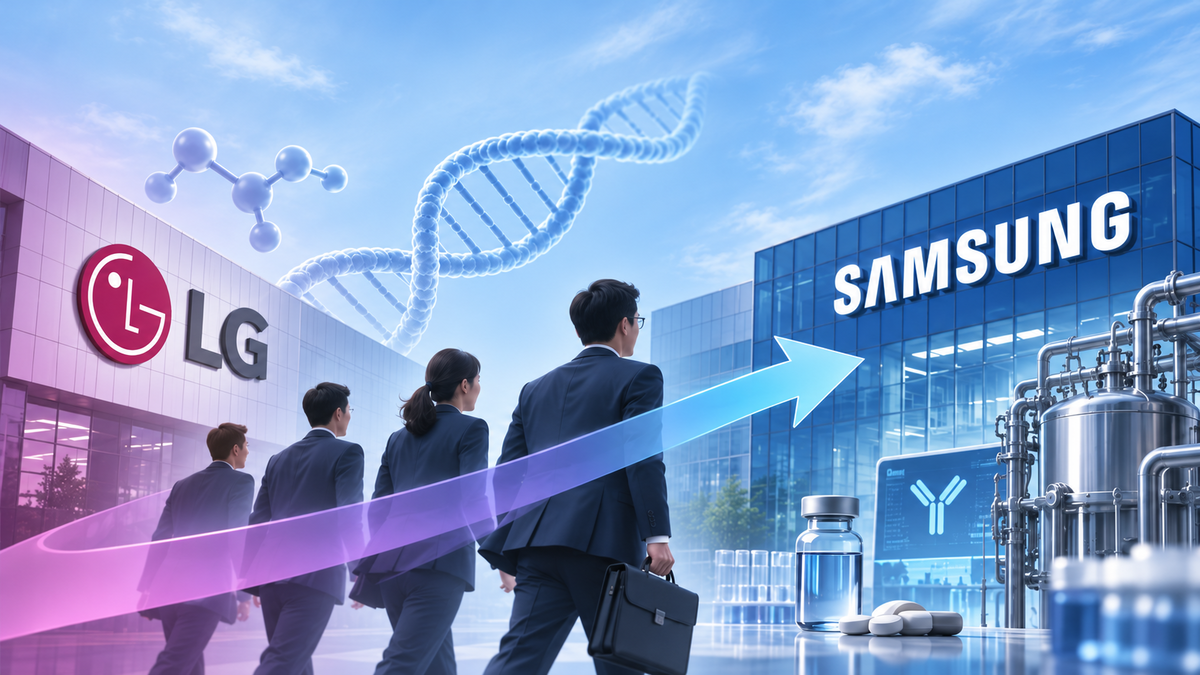
- Talent Pipeline Shift: Former employees of Samsung Biologics are assuming top executive positions at major competitors including HLB Pep, Lotte Biologics, and Medipost. This trend marks a transition where Samsung has displaced LG as the dominant source of senior biotech talent in Korea.
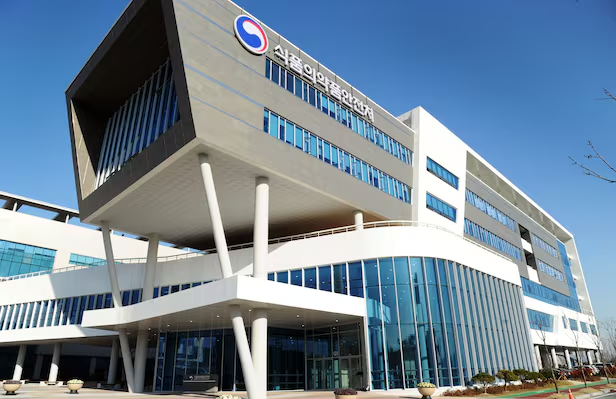
- Regulatory Expansion for Gene Therapy: The Ministry of Food and Drug Safety has officially included in-vivo gene therapy within the category of advanced regenerative medicine. This regulatory change is designed to widen treatment access for patients with rare diseases.
- Open Innovation Beyond Borders: Samsung Bioepis has selected China-based Inota Therapeutics for its open innovation program alongside Atlatl. This selection indicates a strategic expansion of Samsung Bioepis’ research and development network beyond domestic Korean boundaries.
Details
The Rise of the "Samsung School" of Biotech
A notable change in the human resource landscape of Korea's biopharmaceutical industry is emerging. Historically, LG was considered the primary feeder of experienced management talent into the broader biotech sector. However, recent reports indicate that veterans from Samsung Biologics are now being recruited into key leadership roles at other major industry players. Specifically, former Samsung Biologics staff have taken up top jobs at HLB Pep, Lotte Biologics, and Medipost. This migration suggests that the operational expertise and scale experience gained at Samsung are becoming the preferred credential for executives seeking to lead growth at emerging or expanding biotech firms.
Regulatory Updates: In-Vivo Gene Therapy
In a move to accelerate access to cutting-edge treatments, Korean regulators have updated the classification of advanced therapies. The Ministry of Food and Drug Safety has expanded the scope of "advanced regenerative medicine" to explicitly include in-vivo gene therapy. Previously, regulatory frameworks may have categorized these therapies differently, potentially creating delays in approval and reimbursement pathways. This update is expected to facilitate faster clinical adoption and provide new therapeutic options for rare disease patients who previously had limited access to such advanced modalities.
Strategic Partnerships and Security Concerns
Samsung Bioepis continues to diversify its R&D partnerships globally. The company recently selected Inota Therapeutics, a Chinese startup focused on next-generation cancer treatments, for its open innovation program. By partnering with international entities like Inota and Atlatl, Samsung Bioepis is actively seeking novel technologies outside of the domestic Korean market to maintain its competitive edge in biosimilars and novel therapeutics.
In response to these high-value collaborations and general industry trends, Korean biotech firms are also tightening physical security protocols. Reports indicate that companies are implementing strict measures to prevent AI glasses and miniature cameras from entering facilities, driven by growing concerns over industrial espionage and the potential misuse of wearable AI technology for data theft.
Sources
From LG to Samsung: Korea
Korean biotech firms tighten security amid AI glasses spying concerns - CHOSUNBIZ
Samsung Bioepis Picks China
en.sedaily.com
biz.chosun.com
en.sedaily.com
en.sedaily.com
biz.chosun.com
en.sedaily.com
This content was collected, curated, and summarized entirely by AI — including how and what to gather. It may contain inaccuracies. Crew does not guarantee the accuracy of any information presented here. Always verify facts on your own before acting on them. Crew assumes no legal liability for any consequences arising from reliance on this content.
Powered by

