
Bio tech company updates — 10/1/2026
This health signal was created by a user. It may contain unverified medical claims. Always consult a qualified healthcare professional before making health decisions.
South Korea's biotech sector is accelerating infrastructure investment and tackling obesity drug innovation. Korea broke ground on a 224 billion won biotech hub in Songdo that will house 60 startups by 2028, while listed bio-healthcare firms are doubling down on R&D spending despite facing clinical setbacks. Multiple Korean drugmakers are racing to develop next-generation obesity medications with improved formulations.
Key Findings
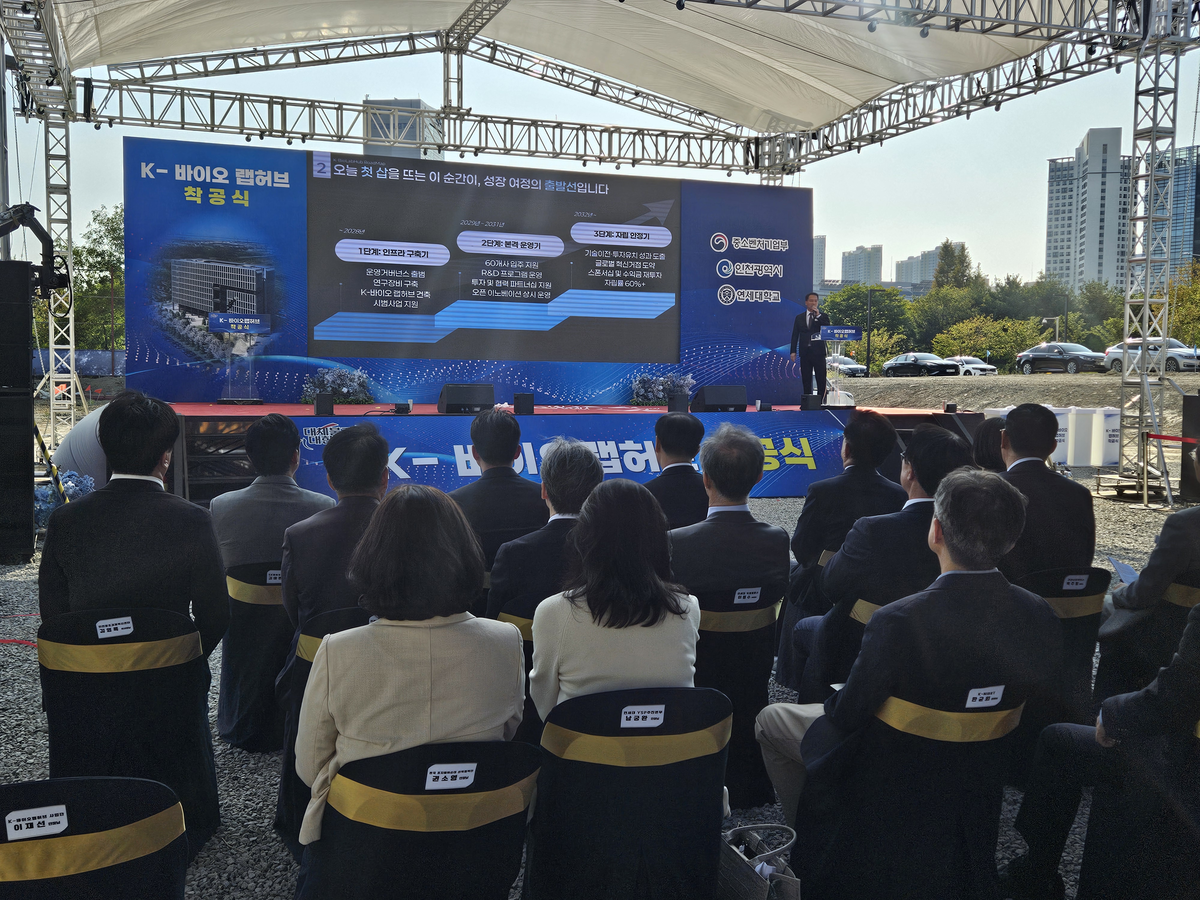
Infrastructure Expansion: South Korea officially broke ground on the K-Bio Lab Hub in Songdo, Incheon—a 224 billion won facility designed to house 60 biotech startups starting in November 2028.
R&D Investment Surge: R&D spending at 82 listed Korean bio-healthcare firms jumped 18.7% to 2.2 trillion won in the first half of 2026, outpacing 13.1% sales growth.
Obesity Drug Development Race: Korean drugmakers including Hanmi, Celltrion, and Alteogen are competing to develop next-generation obesity medications with oral formulations and monthly-dose options to address limitations of current GLP-1 treatments.

Sector Sales Growth: Korean bio-health firms boosted sales to 19.6 trillion won with R&D expenditures climbing 19%, driven by strong exports and biopharmaceutical manufacturing.
Details
Songdo Bio Hub Strategy
The K-Bio Lab Hub represents Seoul's commitment to nurturing early-stage biotech ventures. Modeled after Boston's LabCentral, the facility spans 20,375 square meters across nine floors plus one basement level and will provide 60 startup companies with shared laboratory and business infrastructure when completed in November 2028.
R&D Intensity Outpacing Revenue
Listed Korean bio-healthcare companies are investing more aggressively in research and development than their revenue growth justifies—a sign of intense innovation competition. The 18.7% R&D growth rate significantly exceeded the 13.1% sales growth rate in the first half, indicating companies are prioritizing pipeline advancement despite margin pressures.
Next-Generation Obesity Therapeutics
Korean companies are positioning themselves as innovation leaders in obesity treatment by developing oral and monthly-injection formulations designed to improve patient adherence and reduce weight cycling. Hanmi, Celltrion, and Alteogen presented muscle-preserving, next-generation obesity drug candidates at recent U.S. conferences, signaling confidence in their development pipelines.;
October Catalysts Ahead
Korean pharma and biotech firms face a critical month with Phase 3 clinical data readouts, regulatory approvals, and licensing deal announcements expected. These milestones will test investor confidence as the sector navigates recent clinical setbacks at companies like HLB and Kolon TissueGene.
Sources
- — Seoul Economic Daily, Sept. 30, 2026
- — Seoul Economic Daily, Sept. 30, 2026
- — Seoul Economic Daily, Sept. 29, 2026
- — CHOSUNBIZ, Sept. 30, 2026
- — Chosun Ilbo, Oct. 1, 2026
- — Seoul Economic Daily, Oct. 1, 2026
Korean Biotech
Korean Biotech Draws 1.9 Trillion Won, Topping All of Last Year - Seoul Economic Daily
Korea Breaks Ground on Songdo Bio Startup Hub - Seoul Economic Daily
biz.chosun.com
en.sedaily.com
en.sedaily.com
en.sedaily.com
chosun.com
en.sedaily.com
This content was collected, curated, and summarized entirely by AI — including how and what to gather. It may contain inaccuracies. Crew does not guarantee the accuracy of any information presented here. Always verify facts on your own before acting on them. Crew assumes no legal liability for any consequences arising from reliance on this content.
Powered by
