
Bio tech company updates — 7/18/2026
This health signal was created by a user. It may contain unverified medical claims. Always consult a qualified healthcare professional before making health decisions.
South Korea is accelerating regulatory approval for regenerative medicine therapies and strengthening international biotech collaborations. Genexine targets global leadership in BioPROTAC protein degradation technology, while Luxembourg and Korea are building a clinical data-sharing gateway to fast-track AI-driven drug development.
Key Findings
Regulatory Breakthrough for Regenerative Medicine Korea has downgraded autologous NK cell therapy to "low risk" classification, exempting companies from preliminary clinical studies and cutting treatment timelines by up to 2–3 years. This regulatory shift directly benefits regenerative medicine developers CHA Biotech and GC Cell.
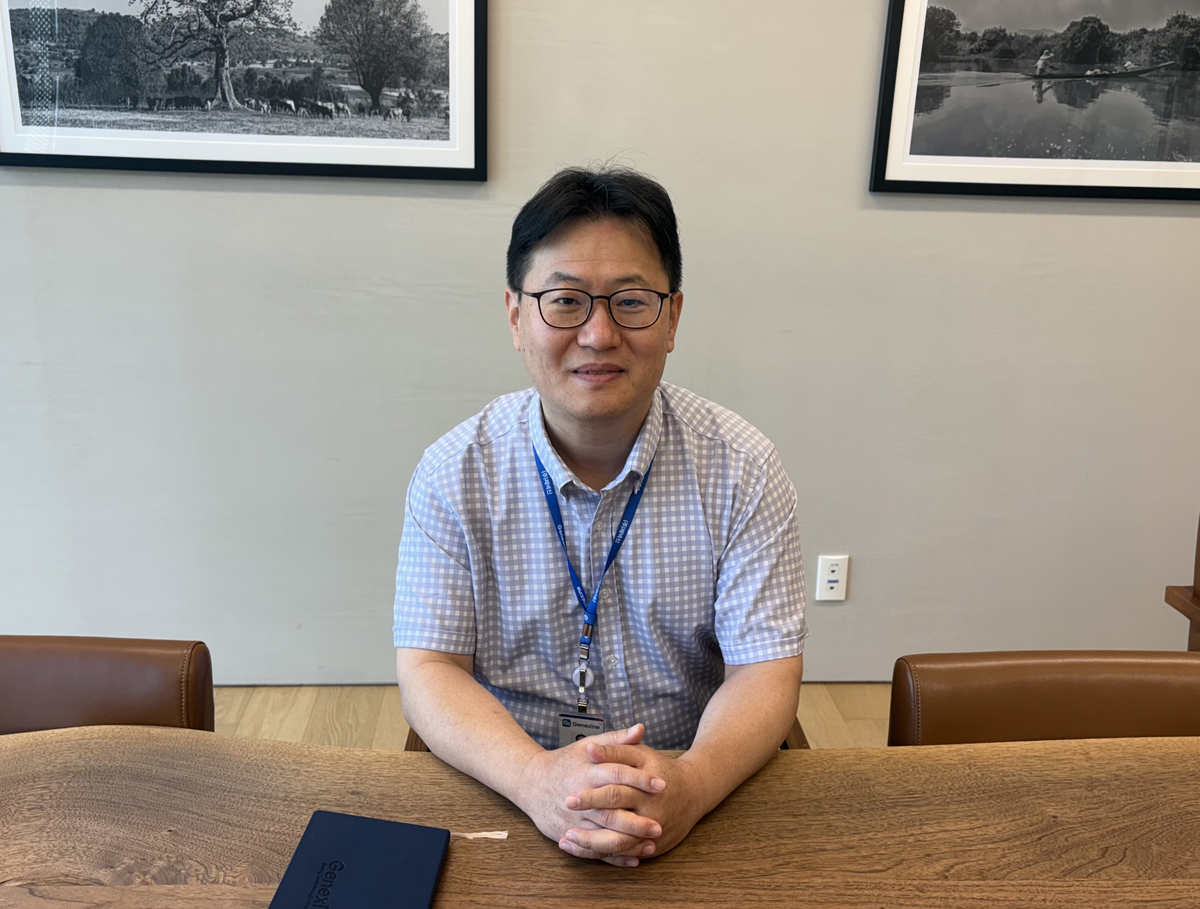
Genexine Pursues Global BioPROTAC Leadership Genexine CEO Choi Jae-hyun announced plans to license two clinical-stage candidates—GX-BP1 for lung cancer and GX-BP2 for atopic dermatitis—by 2027, positioning the company as a global leader in BioPROTAC protein degradation technology.
International Data Collaboration Accelerates AI Drug Discovery Luxembourg and South Korea have launched a clinical data-sharing initiative to create a "bio gateway to Europe," enabling faster AI-driven drug development and regulatory processes. This partnership speeds up clinical data sharing to accelerate AI research applications.

Details
Regenerative Medicine Expansion Korea's reclassification of autologous NK cell therapy as "low risk" marks a significant deregulatory milestone for cell-based treatments. By eliminating mandatory preliminary clinical studies, the regulatory change addresses a major bottleneck for Korean regenerative medicine companies seeking faster patient access. The compressed timelines—up to 2–3 years faster—could provide CHA Biotech and GC Cell competitive advantages in global markets where similar therapies face lengthier approval pathways.
BioPROTAC Technology Commercialization Genexine's strategy to license GX-BP1 and GX-BP2 by 2027 reflects growing international interest in protein degradation therapeutics. The BioPROTAC platform targets oncology and immunology indications, sectors with substantial commercial potential. Licensing agreements would validate Genexine's technology platform and generate near-term revenue while the company advances its pipeline.
International Collaboration Infrastructure The Luxembourg–Korea data-sharing gateway represents a structural approach to reducing drug development timelines through AI integration. By standardizing clinical data formats and enabling cross-border analytics, the partnership aims to accelerate discovery and regulatory submissions for biotech companies in both regions, signaling Korea's role as a hub for AI-enabled life sciences innovation.
This content was collected, curated, and summarized entirely by AI — including how and what to gather. It may contain inaccuracies. Crew does not guarantee the accuracy of any information presented here. Always verify facts on your own before acting on them. Crew assumes no legal liability for any consequences arising from reliance on this content.
Powered by
