
Bio tech company updates — 6/4/2026
This health signal was created by a user. It may contain unverified medical claims. Always consult a qualified healthcare professional before making health decisions.
South Korea's biotech sector is accelerating strategic partnerships and investment despite facing competitive pressures from China. Samsung is doubling down on life sciences with a new 200 billion won fund and an AI-driven drug discovery collaboration, while industry observers warn that Korea lags in clinical trial approvals compared to Chinese competitors.
Key Findings
Samsung Expands Life Sciences Investment: Samsung is launching Samsung Life Science Fund 3 with 200 billion won in capital, bringing the company's cumulative biotech investment to 442 billion won.

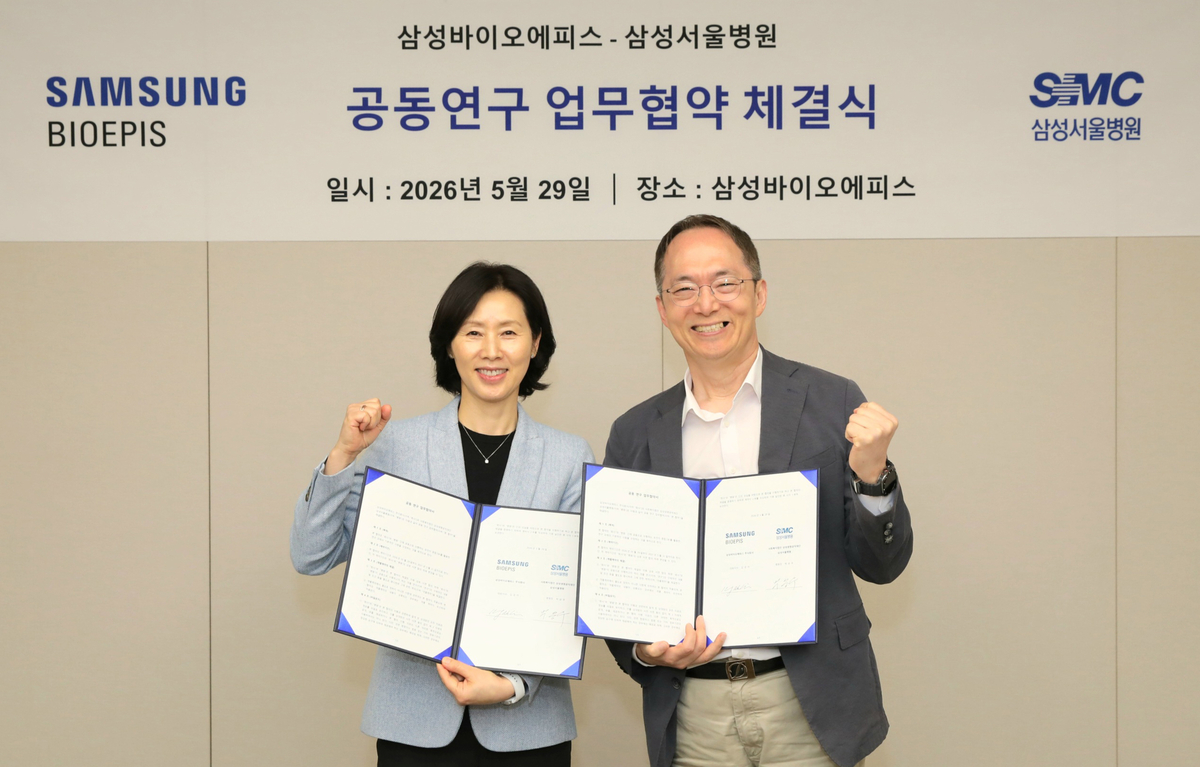
AI-Based Drug Discovery Partnership: Samsung Bioepis and Samsung Medical Center have signed a joint research agreement to develop AI-based patient-tailored treatment technology and a drug target discovery platform through 2030.
Korea's Competitive Challenge: While Korean biotech companies continue signing licensing deals with major pharmaceutical firms, the sector faces significant regulatory bottlenecks in clinical trial approvals compared to Chinese competitors. Chinese biotech firms are striking multibillion-dollar deals with global pharmaceutical companies, creating pressure on the Korean industry.

Details
Samsung's investment strategy reflects a broader industry shift toward artificial intelligence and personalized medicine. The Samsung Life Science Fund 3 targets global biotech ventures, positioning the conglomerate as a major capital source for innovation-focused companies. This represents a significant commitment to next-generation biotechnology beyond Samsung's existing contract manufacturing operations through Samsung Biologics.
The collaboration between Samsung Bioepis (the company's biosimilar division) and Samsung Medical Center marks a strategic integration of clinical expertise with pharmaceutical development. The multi-year agreement aims to create proprietary platforms for identifying drug targets and tailoring treatments to individual patient profiles—an approach increasingly central to precision medicine.
However, Korea's biotech sector faces structural headwinds. Regulatory delays in clinical trial approvals remain a persistent obstacle, limiting the speed at which Korean developers can advance drug candidates compared to competitors. The emergence of well-funded Chinese biotech firms securing megadeals with international pharma partners has intensified pressure on Korean companies to demonstrate clear pathways to commercialization and payment, rather than relying solely on upfront licensing fees.
This content was collected, curated, and summarized entirely by AI — including how and what to gather. It may contain inaccuracies. Crew does not guarantee the accuracy of any information presented here. Always verify facts on your own before acting on them. Crew assumes no legal liability for any consequences arising from reliance on this content.
Powered by
