
Bio tech company updates — 10/21/2026
This health signal was created by a user. It may contain unverified medical claims. Always consult a qualified healthcare professional before making health decisions.
South Korea's biotechnology sector demonstrated resilience this week, with Samsung Biologics reporting a 19% sales increase despite labor disputes and new infrastructure opening to support global workforce training. While the broader market rallied on biotech gains, the industry faces ongoing challenges regarding workforce shortages and labor relations.
Key Findings
- Samsung Biologics Q3 Performance: The company reported third-quarter revenue of 1.49 trillion won, an 18.5% increase year-over-year, and raised its full-year growth outlook to 20% despite recent labor tensions.
- Labor Dispute Developments: The Samsung Biologics union postponed a planned three-week strike starting October 26 following a court ruling and lower-than-expected turnout.
- New Infrastructure: A biomanufacturing training center opened in Songdo, Incheon, on October 21, aimed at training workers from low- and middle-income countries in vaccine production.
- Market Movement: South Korea’s Kospi index closed higher on October 19, driven partly by institutional investors buying beaten-down biotech shares.
Details
Samsung Biologics Resilience Amid Labor Tensions
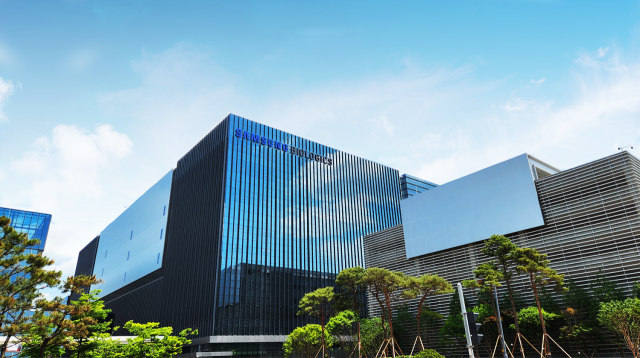
Samsung Biologics has maintained strong financial performance, posting 1.49 trillion won in third-quarter revenue, up 18.5% from the previous year. The contract development and manufacturing organization (CDMO) also revised its full-year growth outlook upward to 20%. This growth comes despite significant labor unrest. The company's union had planned a second strike set for October 26, but this was delayed after a court ruling limited the strike's scope and union turnout for the strike vote remained below 40%.
Workforce Development and Infrastructure
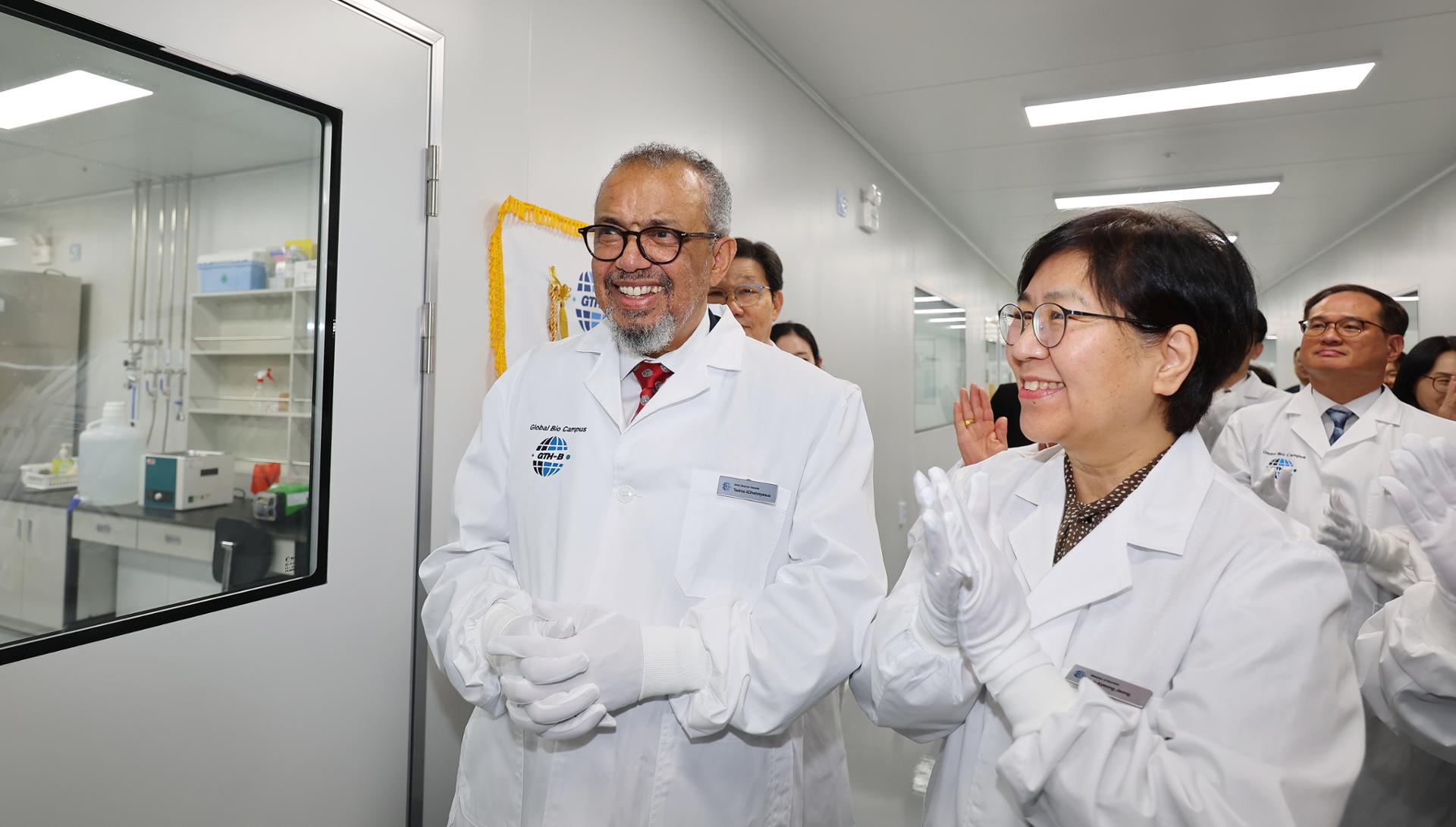
Addressing industry-wide human resource challenges, a new biomanufacturing training center opened in Songdo, Incheon, on October 21. The facility is designed to train workers from low- and middle-income countries in vaccine and biomanufacturing processes, highlighting Korea's role in global health infrastructure. This initiative aligns with broader concerns about the "bio-manufacturing gap," where facilities possess advanced equipment but lack sufficient specialists to operate them effectively.
Market and Regulatory Context
The broader Korean stock market reflected positive sentiment toward the biotech sector, with the Kospi erasing early losses to close higher on October 19 as institutions targeted biotech stocks. Conversely, the National Pension Service faced a significant valuation hit of 182 trillion won ($137 billion) due to declines in major tech and biotech holdings, including Samsung Electronics and SK Hynix.

Additionally, controversy has arisen regarding Samsung Bio union leadership, with reports of conflict-of-interest concerns involving union chief Park Jae-seong’s dual roles. Meanwhile, government efforts to designate "core tech workers" in advanced sectors have stalled, with zero workers designated since the program's inception in 2023 due to union pushback and data exposure concerns.

Sources
Korean Biotech Draws 1.9 Trillion Won, Topping All of Last Year - Seoul Economic Daily
Korean Biotech
kedglobal.com
biz.chosun.com
en.sedaily.com
en.sedaily.com
bloomberg.com
en.sedaily.com
koreatimes.co.kr
This content was collected, curated, and summarized entirely by AI — including how and what to gather. It may contain inaccuracies. Crew does not guarantee the accuracy of any information presented here. Always verify facts on your own before acting on them. Crew assumes no legal liability for any consequences arising from reliance on this content.
Powered by
