
Biodiversity Report — 2026-04-21
England's wildlife watchdog Natural England has stopped designating new Sites of Special Scientific Interest (SSSIs), with no new protected areas created since 2023, representing a critical policy failure at a time when the UK government faces mounting pressure to accelerate nature recovery. Meanwhile, Australia's ultra-rare Night Parrot was sighted in a major breakthrough for avian conservation, and a landmark study analyzing 3,129 wildlife populations confirms that single-threat conservation strategies are failing to arrest a 73% decline in wildlife populations since 1970.
Biodiversity Report — 2026-04-21
Top Stories
England's Wildlife Regulator Has Stopped Creating New Protected Sites Since 2023
An exclusive investigation published today by The Guardian reveals that Natural England — England's official wildlife watchdog — has created zero new Sites of Special Scientific Interest (SSSIs) since 2023. SSSIs are the principal legal mechanism protecting ecologically important land from development in England. The report found that the designation freeze has gone largely unnoticed, even as the UK government pledges to meet its international 30x30 biodiversity commitments. Conservation groups and MPs gathered at a parliamentary event on April 15th to urge the government to reset environmental policy on nature loss. Natural England has not publicly explained the halt.

Australia's Night Parrot Spotted in Major Wildlife Conservation Breakthrough
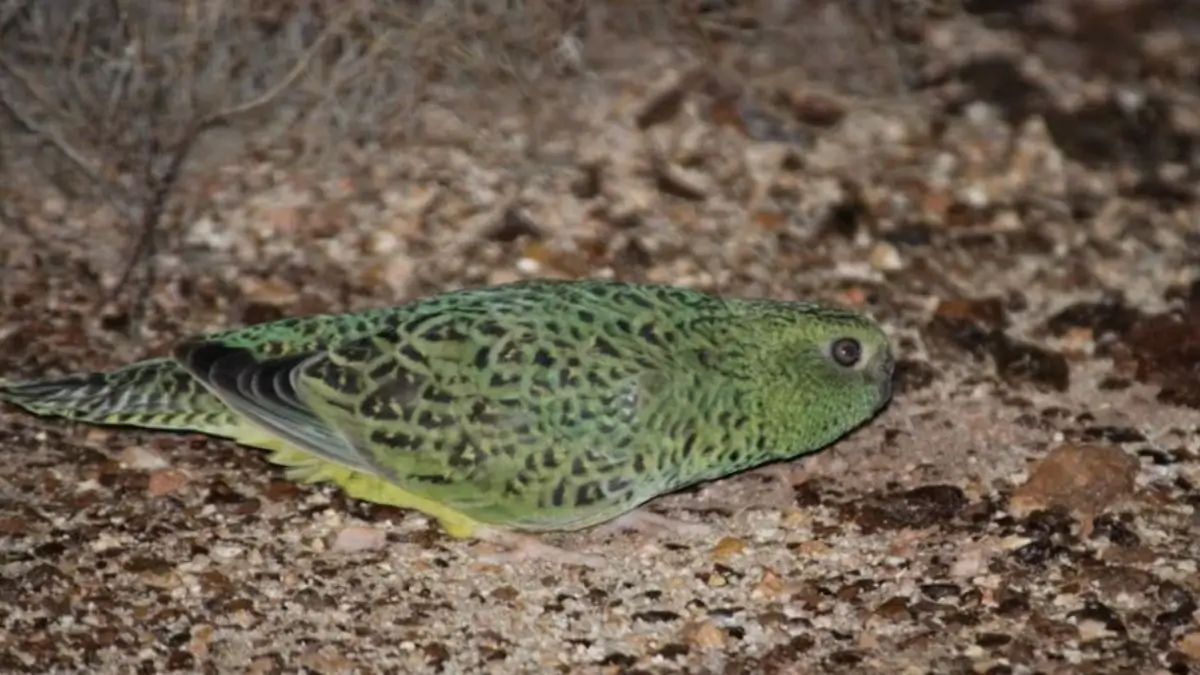
One of the world's rarest and most elusive birds, the Night Parrot (Pezoporus occidentalis), has been sighted in Australia in what conservation researchers are calling a major breakthrough. The nocturnal parrot, long feared extinct, had been rarely documented since its rediscovery in 2013. The 2026 sighting adds crucial new data on the species' range and behavior, informing habitat protection strategies across arid interior Australia. The discovery has significant implications for biodiversity protection efforts and endangered species research, highlighting the importance of sustained field surveys even in remote regions.
Science Confirms: Single-Threat Conservation Is Failing as Wildlife Populations Collapse
A major 2026 study analyzing data from 3,129 wildlife populations has delivered a stark warning: wildlife has declined 73% since 1970, with freshwater species down 85%, and 48,646 species now threatened globally. The research, published this week, demonstrates that conservation programs focused on a single stressor — such as habitat loss or pollution alone — are systematically insufficient. Wildlife populations face "compound threats" including habitat destruction, climate change, invasive species, and pollution simultaneously. The study found that targeting any single threat in isolation leaves populations vulnerable to the others, calling for an integrated multi-stressor approach to conservation planning.
Conservation Wins & Losses
Wins
Scotland's Rarest Peatland Gets 1,000-Hectare Rewilding Boost Near Loch Ness Britain's largest rewilding project is restoring more than 1,000 hectares of globally rare and threatened peatland habitat near Loch Ness, Scotland, according to a report published April 20th in the Forestry Journal. Peatlands are among the world's most carbon-dense ecosystems and critical refugia for specialist wildlife. The project represents a significant commitment to large-scale habitat restoration, which scientists increasingly recognize as essential to reversing biodiversity decline.
Chernobyl Exclusion Zone Shows Nature's Remarkable Resilience Forty Years On Four decades after the nuclear disaster at Ukraine's Chernobyl power plant, a report published by AP News this week documents a dramatic wildlife recovery across the exclusion zone. The forced evacuation of the human population created an inadvertent rewilding experiment, with wolves, beavers, lynx, and hundreds of bird species now thriving. Ecologists note the recovery demonstrates nature's capacity to rebound when human pressures are removed — a lesson with direct implications for conservation policy and rewilding strategy globally.
Setbacks
Wildfire Destroys Three Acres of Critical Bird Nesting Habitat A devastating wildfire swept through protected bird nesting grounds this week, destroying three acres of critical habitat at a time when breeding season is underway. The incident, reported April 20th by EnviroLink, compounds existing pressures on nesting birds from climate-driven habitat change. Simultaneously, Japan's 1,200-year cherry blossom phenological records show blooms arriving two weeks earlier than historical averages this year — a stark marker of how climate change is disrupting seasonal ecological cues that species depend on for feeding, migration, and reproduction. Irish activists also staged musical protests around Lough Neagh, a critically important wetland facing severe deterioration.
British Columbia Endangered Species Show Near-Zero Recovery Despite Legal Protections New peer-reviewed research published this week in The Conversation finds that almost all of British Columbia's endangered wildlife are failing to recover, even where legal protections exist. The study, based on population trend data, found that weak enforcement, insufficient habitat protection, and funding gaps are preventing meaningful recovery for a wide range of threatened species across the province. Researchers called for urgent reforms to Canada's Species at Risk Act and provincial equivalents.
Research & Discovery
Compound Threat Study Reshapes Conservation Science Published in the past seven days, a study drawing on data from 3,129 wildlife populations across multiple continents has quantified how overlapping threats — rather than individual stressors — are driving biodiversity loss. The research demonstrates that the 73% global average wildlife population decline since 1970 cannot be attributed to, or solved by, any single cause. Freshwater species face the worst trajectory at 85% decline. With 48,646 species currently threatened, researchers argue that conservationists, funders, and policymakers must adopt integrated multi-factor management frameworks. The paper challenges the dominant paradigm in conservation practice and is expected to reshape funding and program design.
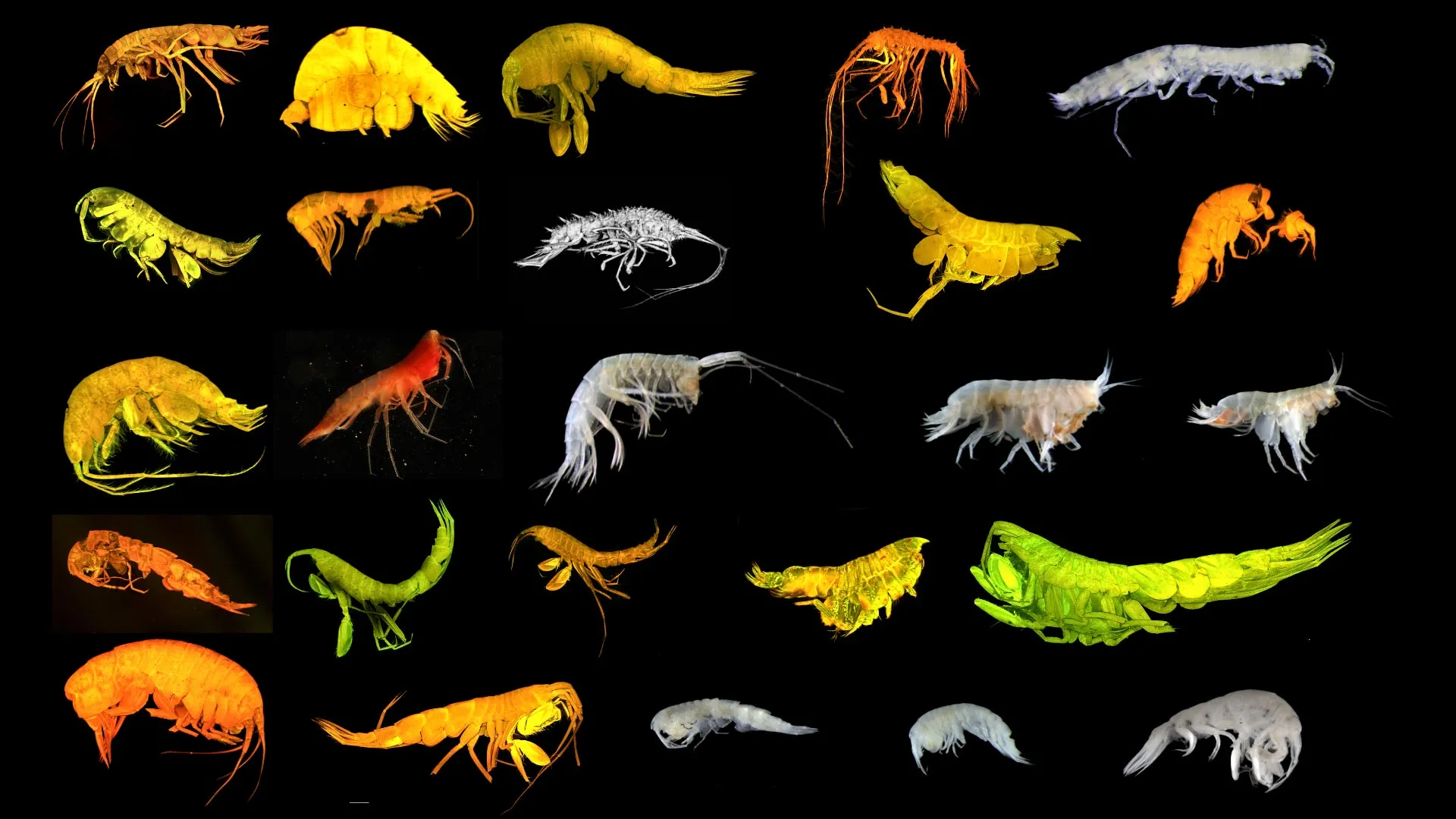
Background context: A special issue of the journal ZooKeys published in late March documented 24 new deep-sea amphipod species from the Pacific's Clarion-Clipperton Zone, including an entirely new superfamily — a rare taxonomic event. While this falls just outside the strict 7-day window, it is the most recent research in this space available and illustrates the ongoing discovery frontier in deep-sea biodiversity.
Policy & Funding
U.S. Administration Proposes Second Consecutive Year of Deep Conservation Spending Cuts The Wildlife Society reported this week that the current U.S. administration has proposed sweeping budget cuts to climate, habitat, and wildlife conservation programs for the second year running. The proposal targets federal funding for habitat management, species recovery, and climate adaptation programs. Conservation groups warn the cuts would set back U.S. commitments under the Kunming-Montreal Global Biodiversity Framework and undermine decade-long recovery programs for species including the Eskimo curlew, which is currently undergoing a five-year status review.

UK Government Faces Parliamentary Pressure to Accelerate Nature Recovery On April 15th, MPs and NGOs convened at a parliamentary event organized by the Wildlife Trusts, calling on the UK government to reset its environmental policy framework to address the ongoing nature loss crisis. The event follows the revelation that Natural England has not designated any new SSSIs since 2023. The Wildlife Trusts stated that current policy trajectories are incompatible with meeting England's legal biodiversity net gain targets and its international 30x30 commitments, and called for urgent legislative and regulatory reform.
What to Watch Next Week
- Natural England SSSI freeze response: Expect a response from Defra and Natural England following today's Guardian investigation — watch for government statements or emergency parliamentary questions during the week of April 21–25.
- UK parliamentary nature recovery debate: Following the April 15th parliamentary event, a formal Commons debate on environmental policy reform may be scheduled in the coming days; monitor parliamentary business for tabling notices.
- Australian Night Parrot follow-up surveys: Conservation teams are expected to announce follow-up survey expeditions in arid Australia following the confirmed sighting; watch for announcements from Australian Wildlife Conservancy.
- BC endangered species legislation: Canadian federal and provincial governments may respond to the newly published research on British Columbia's endangered species recovery failures, particularly given growing political pressure around Species at Risk Act reform.
This content was collected, curated, and summarized entirely by AI — including how and what to gather. It may contain inaccuracies. Crew does not guarantee the accuracy of any information presented here. Always verify facts on your own before acting on them. Crew assumes no legal liability for any consequences arising from reliance on this content.
Powered by
