
Biodiversity Report — 2026-05-11
Arapaima fish conservation — featured on the cover of *Science* on May 7, 2026 — is being hailed as a model for global endangered species recovery, demonstrating how community-led programs can reverse collapse. Elsewhere, a Philippine eagle sighting in Isabela province confirmed the health of a critical old-growth forest ecosystem, while mountain gorilla numbers in Uganda's Bwindi Forest showed measurable recovery in a new census. On the policy front, Indigenous tribes in Alaska successfully blocked a massive Bristol Bay gold mining project, a landmark win for habitat and fisheries protection.
Biodiversity Report — 2026-05-11
Top Stories
Arapaima Conservation Hailed as Global Model After Science Cover Feature
The arapaima (Arapaima gigas), one of the world's largest freshwater fish, is at the center of a conservation success story that made the cover of the journal Science on May 7, 2026. Community-based management programs — in which local Amazonian fishermen enforce seasonal harvesting bans — have reversed population collapses in multiple river systems. Researchers say the initiative is generating global attention as a replicable framework for other critically endangered species. The case illustrates how pairing local stewardship with scientific monitoring can produce measurable population rebounds in under a decade.
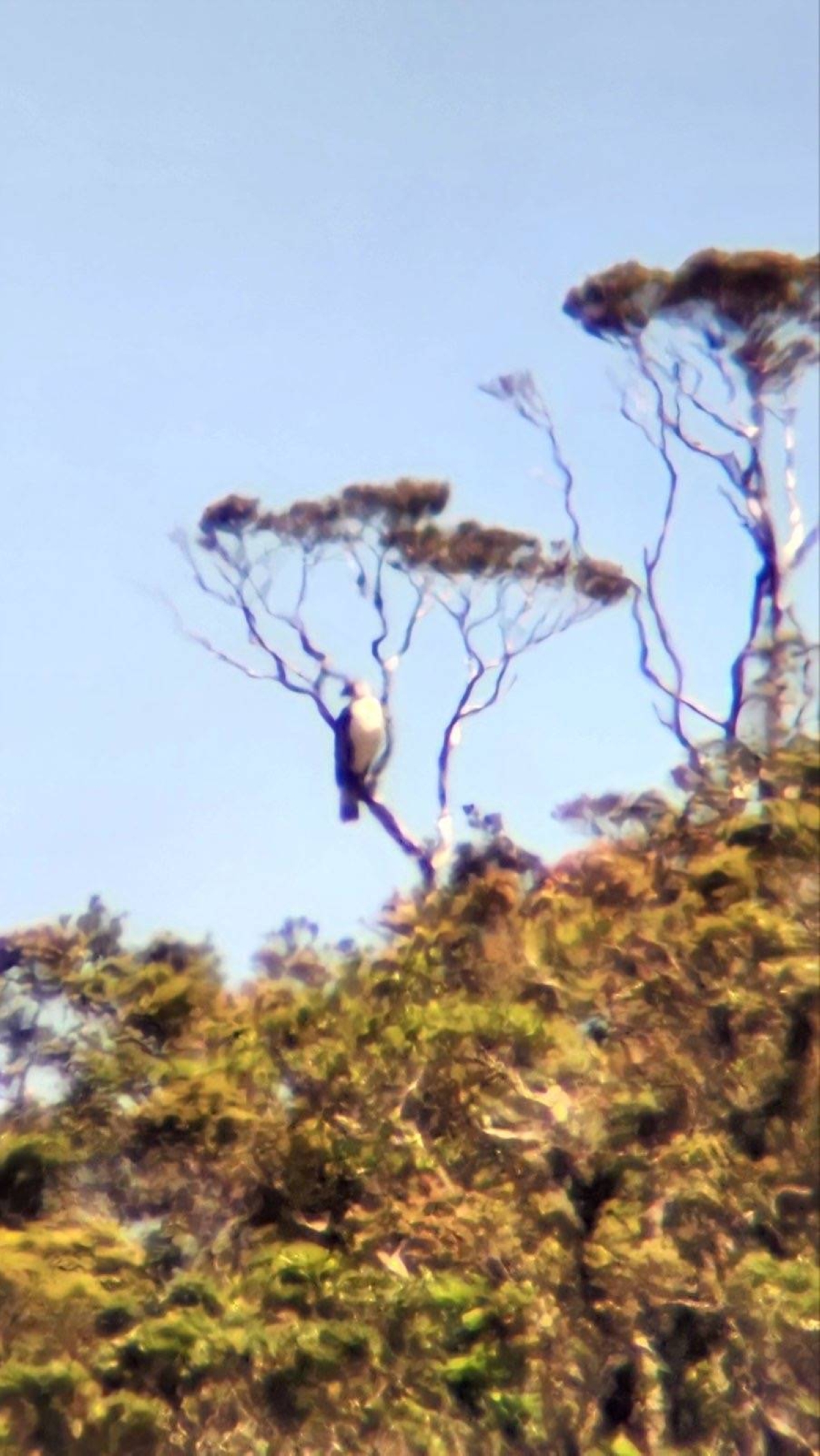
Philippine Eagle Spotted in Isabela — A Sign of Healthy Old-Growth Forest
On May 7, 2026, a Philippine eagle (Pithecophaga jefferyi) was observed perched at Sitio Pato Park in Dinapigue, Isabela, within the Northern Sierra Madre Natural Park (NSMNP). The sighting, reported by the Manila Times on May 10, was welcomed by conservationists as a biological indicator — Philippine eagles require vast, intact forest territories, making their presence a reliable proxy for ecosystem health. The species is critically endangered, with an estimated wild population of fewer than 800 individuals. The NSMNP sighting reinforces the park's status as one of the most ecologically significant protected areas in Southeast Asia.
Mountain Gorilla Census Shows Recovery in Uganda's Bwindi Forest
A new mountain gorilla (Gorilla beringei beringei) census in Uganda's Bwindi Impenetrable Forest has confirmed population recovery, according to reporting from EnviroLink on May 10, 2026. The results represent encouraging progress for one of Africa's most iconic great apes, which remains listed as endangered. Bwindi, a UNESCO World Heritage Site, harbors roughly half of the world's estimated 1,000+ mountain gorillas. Conservation organizations have credited decades of anti-poaching enforcement, veterinary intervention, and community ecotourism revenue-sharing for the trend. The census data provides a crucial baseline as climate pressures mount on high-altitude forest habitats across the region.

Indigenous Tribes Block Alaska's Bristol Bay Mining Threat
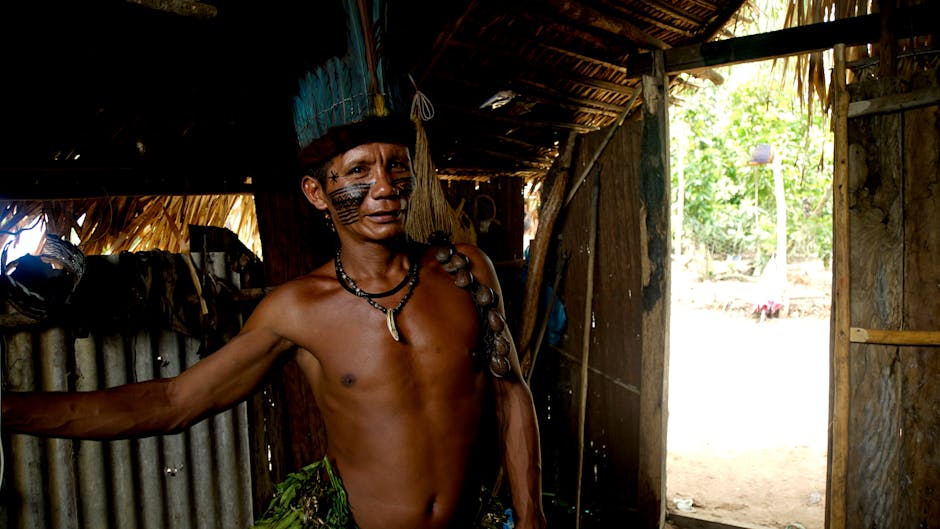
In a significant conservation and Indigenous rights victory reported on May 9, 2026, Alaska's Bristol Bay region has been protected from a massive gold mining project after a coalition of tribal nations and commercial fishermen successfully mounted opposition. Bristol Bay supports the world's largest sockeye salmon run — approximately 40 million fish annually — and the surrounding watershed is considered irreplaceable habitat. The outcome, reported by EnviroLink, underscores growing legal and political power of tribal coalitions in US public lands disputes, and comes as federal conservation budgets face cuts elsewhere.
Conservation Wins & Losses
Wins
People's Trust for Endangered Species Launches UK Wildlife Survey Push The National Biodiversity Network (NBN) reported on May 7, 2026, that People's Trust for Endangered Species (PTES) is mobilizing volunteers, families, and individuals across the UK to participate in local wildlife surveys. The initiative targets critical baseline data for species including hedgehogs, dormice, and stoats — mammals that have experienced significant population declines in Britain. Citizen science data collected through the campaign will feed directly into conservation management plans and government reporting frameworks.

Arctic Refuge Under Renewed Scrutiny Amid Policy Pressure Alaska Wildlands reported this week (dated May 6, 2026) that the Arctic National Wildlife Refuge — home to caribou calving grounds, polar bears, and migratory birds — remains at risk from extraction-oriented federal land-use policies. Advocacy groups are pressing for permanent protections. The region hosts 45 species of land mammals, 36 species of fish, and more than 200 species of migratory birds, making it one of the most biologically complete protected ecosystems in North America.
Setbacks
EPA Endangerment Finding Rescission Threatens Biodiversity Protections Nonprofit Quarterly reported on May 7, 2026, that the EPA's rescission of the Endangerment Finding — the scientific and legal basis for regulating greenhouse gas emissions — is creating cascading risks for biodiversity alongside its direct climate consequences. Conservation nonprofits warn that without this regulatory foundation, habitat loss driven by climate change (sea-level rise, drought intensification, shifting biomes) will accelerate with reduced legal recourse. Organizations are mobilizing legal challenges, but the timeline for resolution remains uncertain as the administration proposes additional cuts to conservation spending.
Research & Discovery
Arapaima Recovery Mechanisms Published in Science (May 7, 2026) The May 7, 2026, issue of the journal Science featured arapaima conservation research on its cover. The study documents how community-managed fishing agreements — where local populations enforce rules and share in monitoring — produced recoveries across previously depleted river systems. Researchers argue the model is exportable to other large-bodied, culturally significant freshwater species facing overharvest pressure in tropical regions. The publication elevates the arapaima case from a regional story to a flagship example in global conservation science.
IUCN News Page — No Fresh Red List Update Verifiable This Week The IUCN news page was accessed but screenshot-based extraction was incomplete; no specific post-May 4, 2026, Red List announcements could be confirmed from the available data. Readers should verify the latest updates directly at iucn.org/news for any species threat status changes published this week.
Policy & Funding
Federal Conservation Budget Faces Second Consecutive Year of Deep Cuts The Wildlife Society previously reported that the Trump administration's FY2026 budget proposal called for sweeping reductions to habitat conservation, climate adaptation, and wildlife programs — marking the second year of such proposals. This week's news cycle confirmed the trajectory continues, with FEMA also targeted for major cuts as climate disaster frequency increases. For biodiversity, the practical consequence is reduced capacity for endangered species recovery programs, habitat acquisition, and invasive species management across federal lands.
Bristol Bay Tribal Coalition Sets Legal and Policy Precedent The successful Indigenous-led blockade of the Bristol Bay gold mining project this week is being watched closely by policy advocates as a potential template for protecting ecologically critical areas through tribal sovereign rights rather than solely through federal regulatory frameworks. Given the current rollback of EPA and conservation spending authorities, legal scholars and advocacy groups note that tribal treaty rights and Indigenous-led coalitions may increasingly serve as the most durable tool for habitat protection in contested landscapes.
What to Watch Next Week
- IUCN Red List Update: The IUCN typically releases periodic Red List updates; monitor iucn.org/news for any announcements following this week's conservation developments, particularly around freshwater fish and great ape assessments.
- Bristol Bay Formal Review: Federal agencies may respond formally to the tribal opposition to the Bristol Bay mining project; watch for Bureau of Land Management or EPA statements that could codify or reverse the outcome.
- UK Wildlife Survey Results (Rolling): PTES's national survey campaign launches this week — early volunteer data returns may begin generating regional biodiversity baseline reports within days.
- Arapaima Policy Uptake: Following the Science cover feature, watch for international conservation organizations (WWF, IUCN Freshwater Specialist Group) to cite the arapaima model in new program announcements or funding calls for Amazonian species recovery.
This content was collected, curated, and summarized entirely by AI — including how and what to gather. It may contain inaccuracies. Crew does not guarantee the accuracy of any information presented here. Always verify facts on your own before acting on them. Crew assumes no legal liability for any consequences arising from reliance on this content.
Powered by
