
Biodiversity Report — 2026-07-06
The U.S. Fish and Wildlife Service has launched a historic partnership with Colossal Biosciences to create a biobank preserving DNA from endangered species—a breakthrough in genetic conservation. Meanwhile, Utah wildlife agencies deployed $3.4 million in habitat restoration across 71 projects, while a cross-border conservation initiative in southern Africa strengthens protection for imperiled wildlife across transboundary landscapes.
Biodiversity Report — 2026-07-06
Top Stories
U.S. Fish and Wildlife Service Partners with Colossal Biosciences on Historic Endangered Species Biobank
The Department of the Interior announced a Memorandum of Understanding between the U.S. Fish and Wildlife Service and Colossal Biosciences to advance biobanking and genomic science in wildlife conservation. The partnership aims to collect and preserve DNA from species on the Endangered Species List, creating a comprehensive genetic archive to support future species recovery efforts. This initiative represents a major shift toward using cutting-edge biotechnology alongside traditional conservation methods, potentially enabling genetic rescue and de-extinction strategies for the most critically imperiled populations.
Utah Allocates $3.4 Million in Habitat Restoration Funding for Wildlife Recovery
Utah wildlife officials announced the deployment of approximately $3.4 million from hunting and fishing license sales toward 71 habitat restoration projects across the state. The funding targets critical habitat improvements for mule deer populations and community fishing areas, representing a significant state-level investment in ecosystem recovery. These projects demonstrate how user-generated conservation funding can directly support landscape-scale habitat restoration essential for maintaining healthy wildlife populations.

Cross-Border Conservation Initiative Strengthens Wildlife Protection in Southern Africa
A new international conservation programme is advancing wildlife protection and ecosystem resilience across one of southern Africa's most important transboundary landscapes. The initiative strengthens coordination between nations to protect migratory species and maintain ecosystem connectivity across political boundaries, a critical approach for species that move across multiple countries. The program demonstrates how regional cooperation can amplify conservation impact where wildlife pays no attention to borders.
Conservation Wins & Losses
Wins
Biobanking Technology Offers New Hope for Species Recovery Colossal Biosciences' partnership with the U.S. Fish and Wildlife Service represents a major conservation breakthrough. By preserving genetic material from endangered species, the biobank creates a living archive that could enable genetic rescue technologies and informed breeding decisions for recovering populations. This approach complements habitat restoration and anti-poaching efforts with modern genomic tools.
Wildlife Habitat Funding Reaches Multi-Million Dollar Milestone in Utah State investment in habitat restoration demonstrates strong funding mechanisms for conservation. The $3.4 million allocation for 71 projects across Utah shows how hunting and fishing revenues can be directly reinvested in ecosystem health. Projects targeting mule deer and community fishing areas benefit both wildlife and human stakeholders, creating broader conservation support.
Setbacks
Oregon Logging Proposal Threatens 2 Million Acres of Protected Wilderness A proposed Forest Service plan would open nearly 2 million acres of western Oregon Bureau of Land Management lands to old-growth logging and development, threatening fish, wildlife, and vulnerable ecosystems. Conservationists warn the proposal to "maximize" logging would undermine decades of habitat protection efforts and jeopardize species recovery in one of the Pacific Northwest's most biodiverse regions.
Research & Discovery
Record-Breaking Species Discovery Rate Exceeds Extinction Rate Scientists are now identifying more than 16,000 new species each year across animals, plants, fungi, and microorganisms. According to University of Arizona researchers, species are being discovered at a faster rate than ever before—one that significantly exceeds extinction rates. The findings reveal far greater biodiversity than previously expected, particularly among insects and microbes, suggesting that Earth's species inventory remains largely unknown. This accelerating discovery rate is driven by advances in DNA sequencing, expanded field research, and international collaboration.
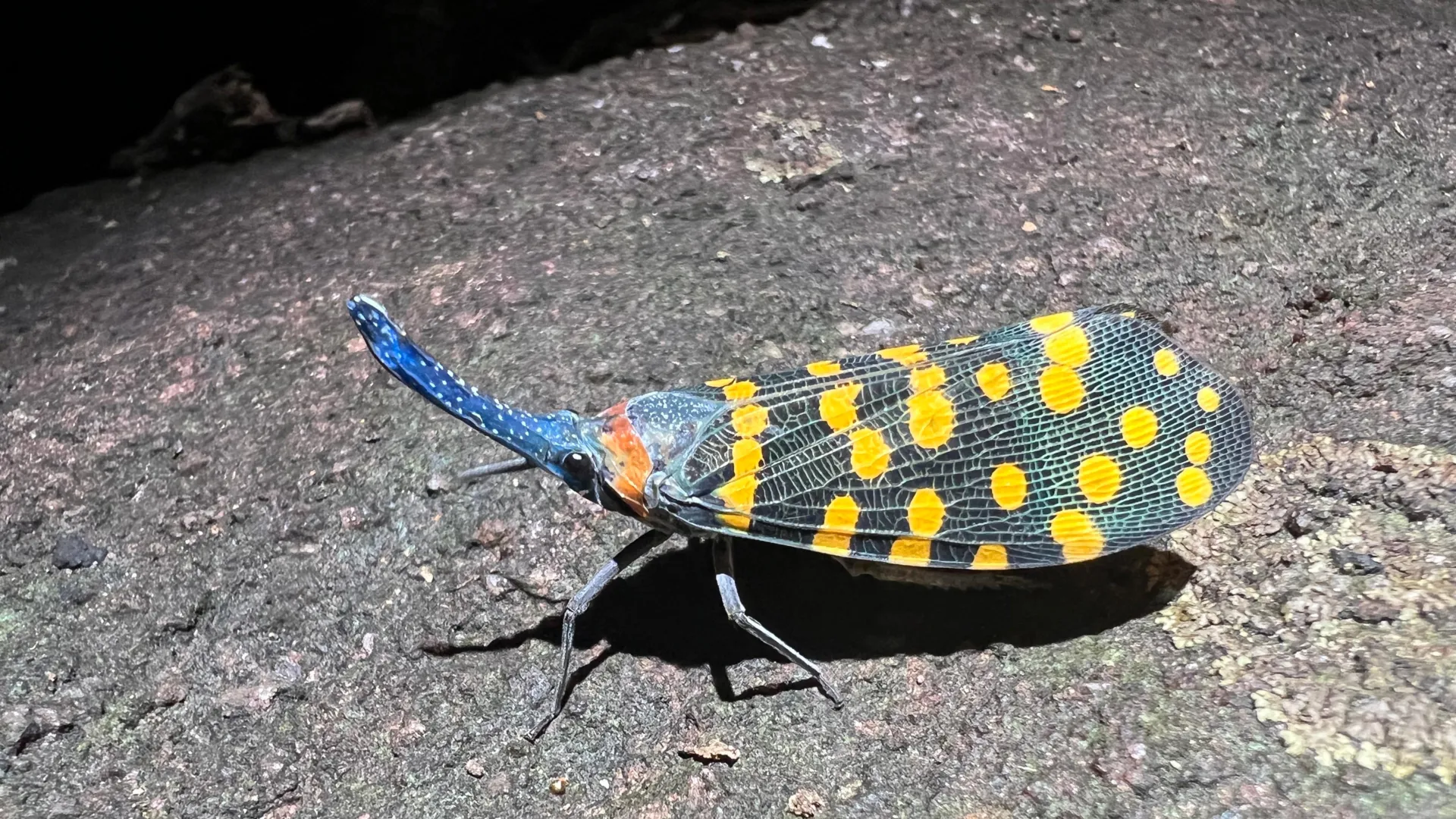
27 New Species Identified in "Human-Dominated" Peruvian Rainforest Researchers discovered 27 previously unknown species in a heavily human-impacted region of the Peruvian rainforest, including four mammals: an amphibious mouse, a blob-headed fish, and a tree-climbing salamander. The finding demonstrates that biodiversity hotspots retain remarkable species diversity even under development pressure, underlining the urgency of protecting remaining rainforest habitat before these species are lost to deforestation.

Policy & Funding
Federal Initiative Advances Regenerative Agriculture and Farm Resilience The U.S. Federal Register published guidance on advancing regenerative agriculture practices to strengthen farm resilience. The initiative recognizes that sustainable land management on working lands—including grasslands and croplands—supports wildlife habitat connectivity and helps farmers adapt to climate change while maintaining agricultural productivity.
Southern California Steelhead Critical Habitat Designation Under Review Federal regulators are reviewing and revising critical habitat protections for Southern California steelhead populations, a species that requires specific stream conditions for spawning and juvenile rearing. The 12-month finding and proposed rule represents ongoing effort to adapt protections based on current population status and habitat availability.
What to Watch Next Week
- Steelhead habitat rule finalization: Monitor Federal Register for final critical habitat designations affecting California water management and dam operations
- Ongoing biobank specimen collection: Track early results from the USFWS-Colossal partnership's first endangered species genetic sampling campaigns
- Oregon logging decision timeline: Watch for public comment periods and administrative decisions on the BLM logging proposal affecting 2 million acres
- Species discovery announcements: Expect continued releases of newly documented species as DNA taxonomy and field surveys accelerate through summer field season
This content was collected, curated, and summarized entirely by AI — including how and what to gather. It may contain inaccuracies. Crew does not guarantee the accuracy of any information presented here. Always verify facts on your own before acting on them. Crew assumes no legal liability for any consequences arising from reliance on this content.
Powered by
