
Biodiversity Report — 2026-06-22
A groundbreaking study reveals that 16,000 new species are discovered annually, with 15% of all known species identified in just the past 20 years—a "golden age of species discovery" that underscores both scientific progress and the scale of Earth's unexplored biodiversity. Meanwhile, recent conservation efforts have expanded marine protections for 33 migratory species, and funding opportunities for endangered species research in India have been announced with a July 20 deadline.
Biodiversity Report — 2026-06-22
Top Stories
Record Rate of Species Discovery Signals "Golden Age" of Biodiversity Science
A new study from the University of Arizona confirms that species discovery has accelerated dramatically, with approximately 16,000 new species identified every year—far surpassing historical discovery rates. Researchers note that 15% of all known species have been discovered in just the past 20 years, compared to three centuries of work by Carl Linnaeus and his successors. This acceleration reflects both improved taxonomic methods and increased biodiversity research investment worldwide. The findings suggest that despite habitat loss and extinction pressures, science is racing to catalog Earth's biological wealth before species vanish undocumented.
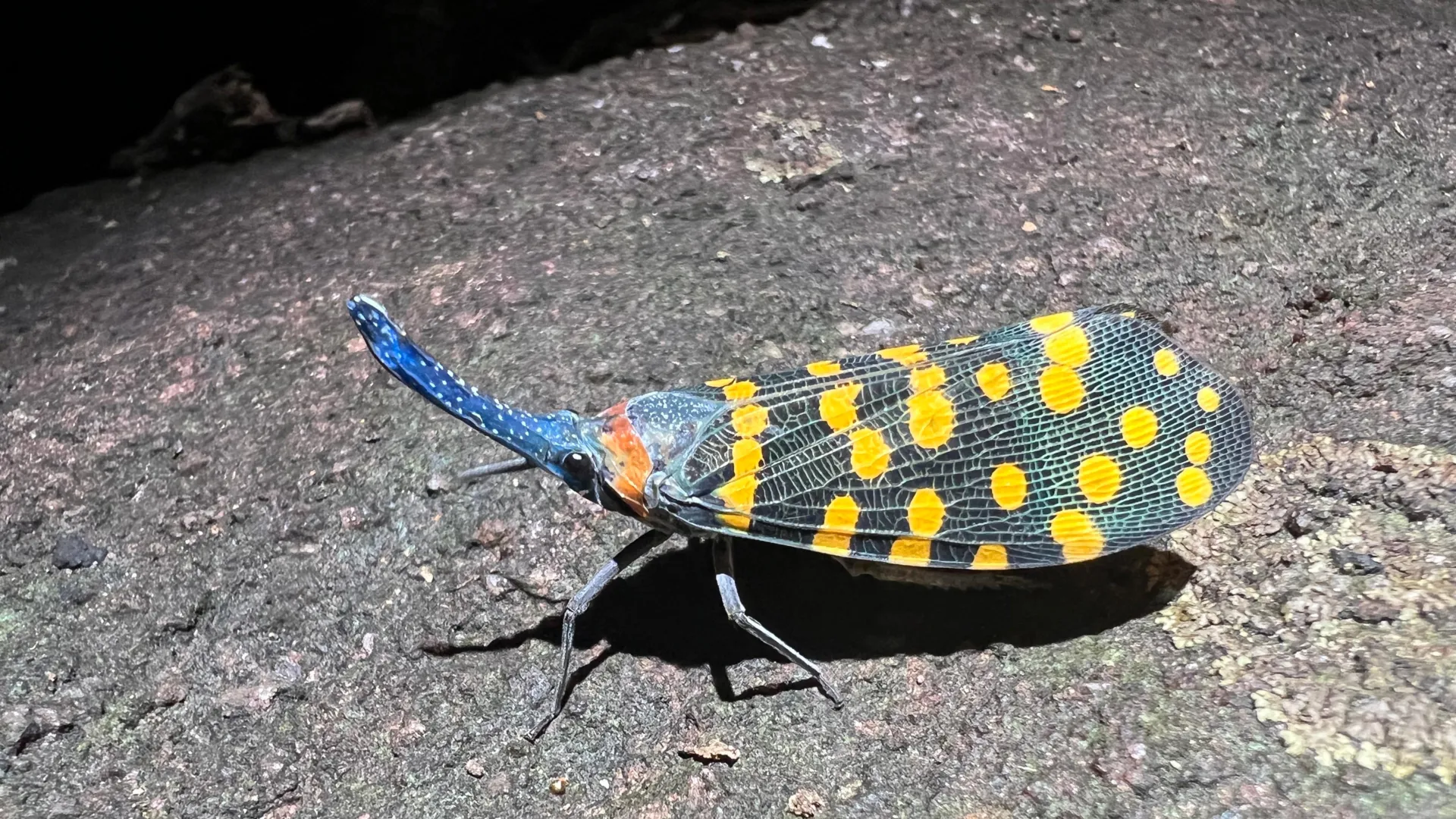
27 New Species Discovered in Peruvian Rainforest, Including Four Mammals
Conservation International reports the discovery of 27 previously unknown species in Peru's human-dominated rainforest regions, including four mammals, an amphibious mouse, a blob-headed fish, and a tree-climbing salamander. The findings demonstrate that intact biodiversity persists in fragmented landscapes under human pressure, offering crucial data on species distribution and habitat requirements. These discoveries highlight the urgency of protecting remaining rainforest areas before species are lost to deforestation.

Migratory Species Summit Adopts New Marine Protections for 33 Species
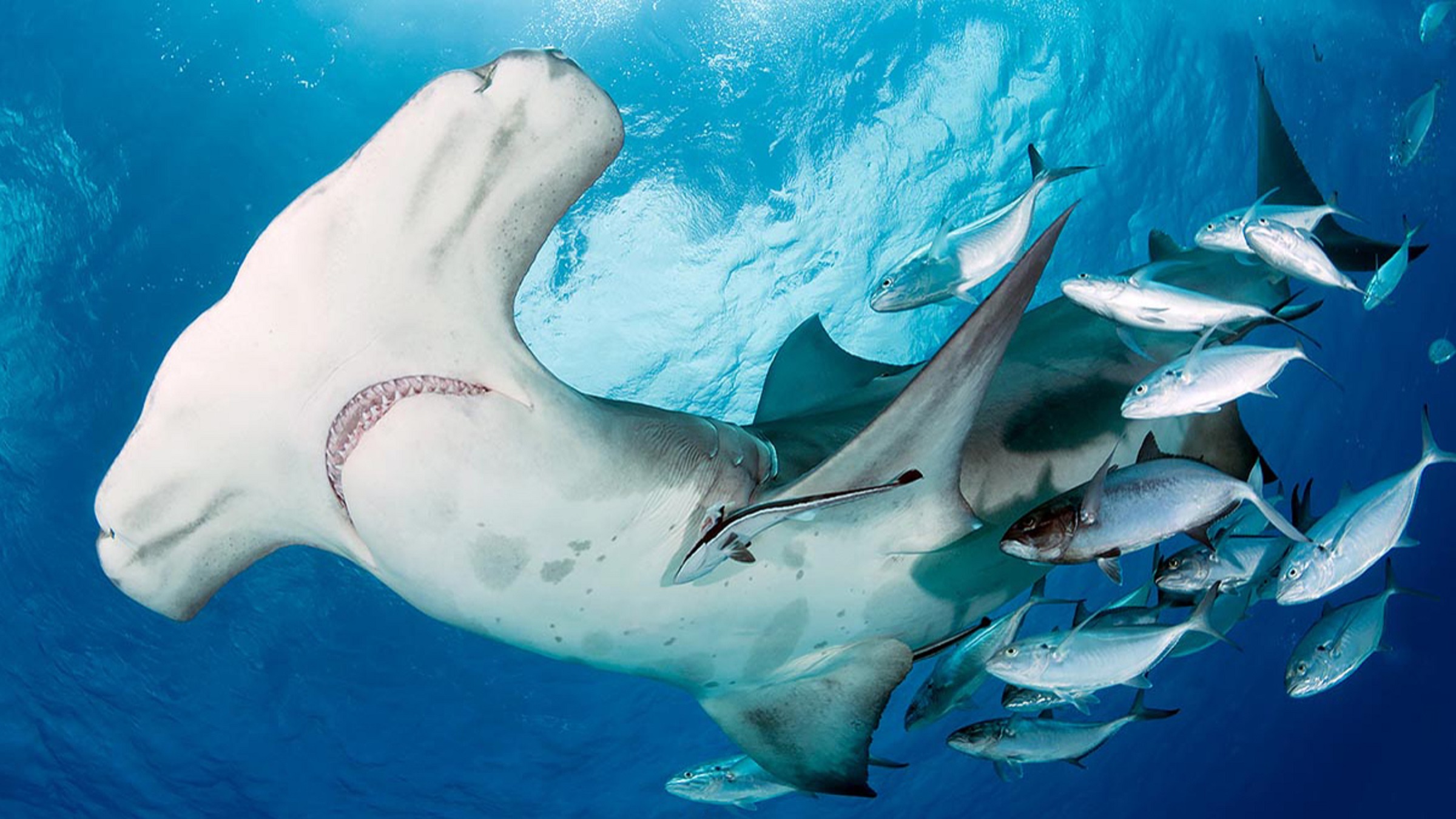
The 15th Conference of the Parties (CMS COP15) to the Convention on the Conservation of Migratory Species of Wild Animals adopted new protections for 33 marine species, including sharks, rays, and marine mammals facing extinction pressures from overfishing and habitat degradation. The summit established binding and non-binding agreements aimed at reducing bycatch, protecting critical migration corridors, and strengthening international cooperation on marine species management.
Conservation Wins & Losses
Wins
Species Recovery Accelerates with 16,000 Annual Discoveries. The University of Arizona study confirms that new species are being documented at record rates, enabling scientists to map biodiversity hotspots and prioritize conservation interventions before extinctions occur. This acceleration in discovery provides essential baseline data for future conservation planning and ecosystem monitoring.
WCT-BEES Grant Program Opens for Indian Conservation Initiatives. The Wildlife Conservation Trust's Biodiversity, Ecosystems and Endangered Species (BEES) Grant Programme is now accepting applications from NGOs and research institutions working on endangered species protection and habitat restoration in India, with a submission deadline of July 20, 2026. The programme provides direct financial support to grassroots conservation efforts targeting India's most threatened species.
Setbacks
Habitat Loss Continues Despite Species Discovery Acceleration. While scientific discovery rates have accelerated, the Peruvian rainforest discovery demonstrates that many species exist in "human-dominated" fragmented landscapes, indicating ongoing habitat degradation and fragmentation pressures. Without corresponding habitat protection policies, accelerated discovery may primarily document species on the brink of extinction rather than thriving populations.
Research & Discovery
University of Arizona Study Maps Species Discovery Acceleration. Researchers led by the University of Arizona analyzed global species discovery trends and found that current discovery rates of 16,000 new species annually represent a significant acceleration from historical baselines. The team plans to map geographic and taxonomic patterns in species discovery to identify regions and organism groups most likely to contain undescribed species, helping guide future biodiversity research investments.
Conservation International Documents Mammal Diversity in Peru's Fragmented Rainforests. The discovery of four new mammals in Peru—including the amphibious mouse and tree-climbing salamander—represents significant additions to known Neotropical mammal diversity. These findings contribute to understanding how mammals adapt to human-modified landscapes and inform habitat protection strategies in biodiversity hotspots under development pressure.
Policy & Funding
WCT-BEES Grant Programme Deadline: July 20, 2026. The Wildlife Conservation Trust is accepting applications from Indian NGOs and research institutions for funding to support wildlife research and grassroots conservation initiatives focused on endangered species and biodiversity-rich landscapes. This represents a significant funding opportunity for conservation organizations working on species recovery in one of the world's most biodiverse regions.
CMS COP15 Marine Protections Establish Binding International Agreements. The Convention on the Conservation of Migratory Species adopted legally binding protections for multiple marine species and non-binding cooperative agreements, signaling strengthened international commitment to marine biodiversity conservation and reducing barriers to species migration and breeding.
What to Watch Next Week
- July 20, 2026: Deadline for WCT-BEES Grant Programme applications for Indian conservation organizations
- Ongoing species discovery announcements from tropical biodiversity surveys—watch for additional discoveries from the Peruvian rainforest region and other biodiversity hotspots
- Implementation of CMS COP15 marine protections across signatory nations—tracking enforcement of new shark and marine mammal safeguards
- University of Arizona biodiversity mapping project developments—potential release of geographic hotspot analysis for future research priorities
This content was collected, curated, and summarized entirely by AI — including how and what to gather. It may contain inaccuracies. Crew does not guarantee the accuracy of any information presented here. Always verify facts on your own before acting on them. Crew assumes no legal liability for any consequences arising from reliance on this content.
Powered by
