
Biodiversity Report — 2026-06-08
Ocean observation network cuts threaten global weather prediction, according to a new environmental briefing released June 6, while scientists continue documenting unprecedented biodiversity: researchers identified nearly 800 deep-sea species over five years, including 24 entirely new amphipod species and a rare new branch of life in the Pacific's Clarion-Clipperton Zone. Meanwhile, garden rewilding shows promise with research indicating 70% increases in pollinator abundance in rewilded spaces versus conventional managed gardens.
Biodiversity Report — 2026-06-08
Top Stories
Ocean Monitoring Cuts Threaten Global Weather Prediction
Scientists are warning that dismantling America's ocean observation network could cripple global weather prediction systems, according to an environmental briefing released on June 6, 2026. The cuts pose a significant risk to climate monitoring and forecasting capabilities worldwide, even as climate-related disasters intensify across the United States. This development comes at a critical moment when accurate environmental data is increasingly essential for conservation planning and disaster preparedness.
Rewilded Gardens Show 70% Increase in Pollinator Abundance
Research released within the past week demonstrates that rewilded gardens show a 70% increase in pollinator abundance compared to conventional managed gardens. The practical, evidence-based guide for rewilding gardens emphasizes that restoration need not sacrifice aesthetics, offering homeowners a way to create wildlife corridors while maintaining garden beauty. This finding underscores the role of private land in supporting broader biodiversity goals.

Vietnam Establishes National Rewilding Plan with IUCN Support
On May 14-15, 2026, the IUCN and Vietnam's Administration of Forestry (VNFOREST) held a rewilding kick-off workshop in Hanoi to prepare a national rewilding plan, funded by Re:wild. The initiative reflects growing international commitment to ecosystem restoration, particularly in tropical regions where 50-80% of plant species depend on animals for seed dispersal. This partnership demonstrates how large animal species recovery can restore forest regeneration capacity and ecosystem quality.
Conservation Wins & Losses
Wins
Global Species Discovery Accelerates: Scientists are now identifying more than 16,000 new species annually, revealing far greater biodiversity than previously expected across animals, plants, fungi, and microorganisms. This surge in discovery capacity shows the expanding scientific effort to document Earth's living diversity before species are lost to habitat degradation.
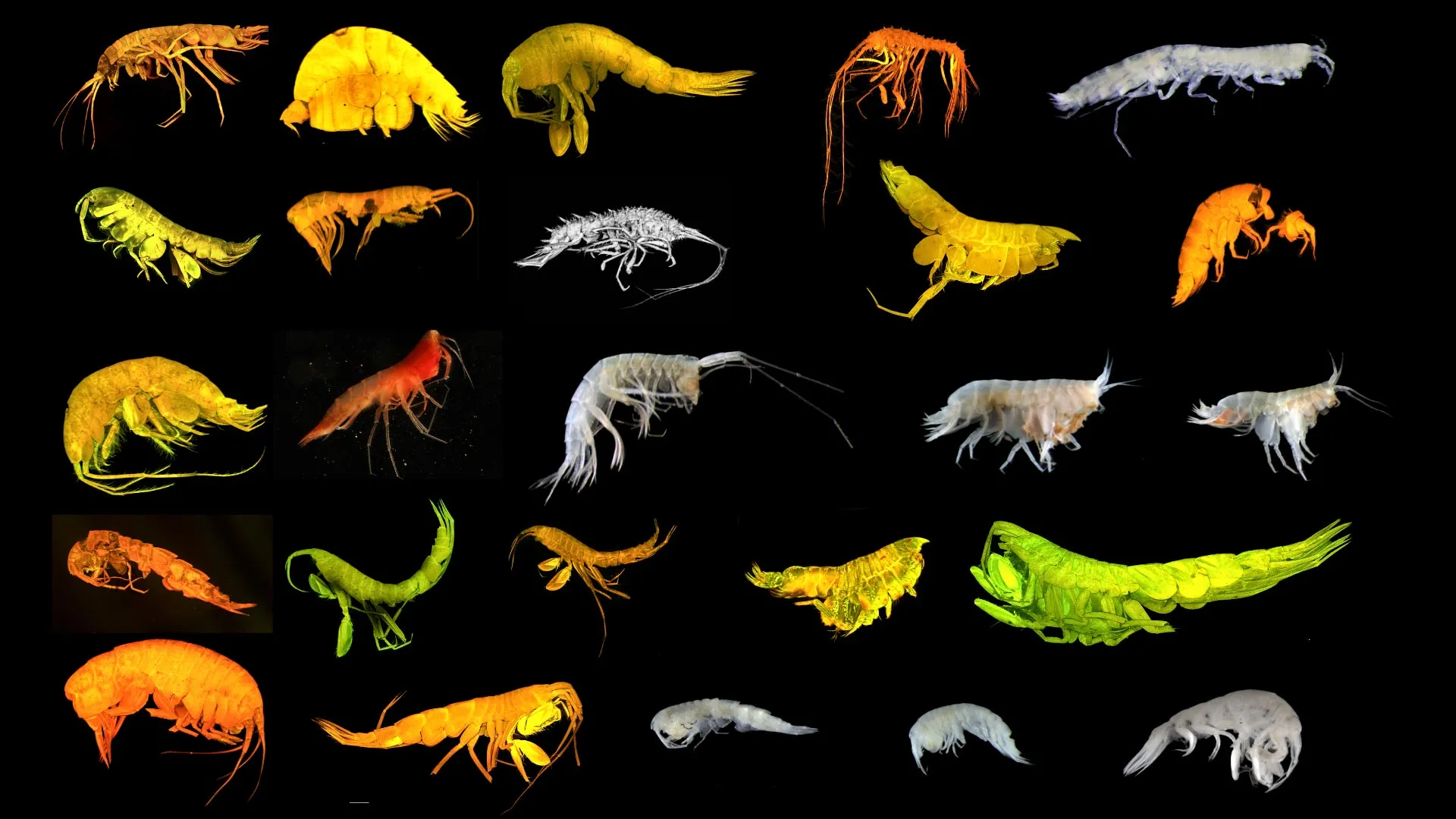
Deep-Sea Biodiversity Survey Documents Nearly 800 Species: Over five years and 160 days at sea, researchers documented nearly 800 previously unknown species in the Pacific. The survey found 24 new species of amphipods in the Clarion-Clipperton Zone, including an entirely new superfamily—a rare discovery indicating unexplored branches of animal life in abyssal zones.
Setbacks
DNA Conservation for Gilbert's Potoroo Highlights Extinction Risk: Australian scientists are using cutting-edge DNA techniques to help save the critically endangered Gilbert's potoroo, with fewer than 150 individuals remaining in the wild. This intensive conservation effort illustrates how perilously close some species have come to irreversible extinction, requiring emergency intervention to prevent their loss.
Research & Discovery
24 New Amphipod Species and Rare New Superfamily Discovered in Pacific Deep Sea: Researchers identified 24 new deep-sea amphipod species in the Pacific's Clarion-Clipperton Zone, including a rare new superfamily—a taxonomic breakthrough indicating undiscovered branches of animal evolution in abyssal environments. This discovery expands knowledge of deep-ocean biodiversity and highlights how industrial activities like test mining could harm ecosystems we are only beginning to understand.
Policy & Funding
No recent policy or funding announcements with confirmed dates after 2026-06-01 are available in current sources.
What to Watch Next Week
- Continued monitoring of IUCN World Environment Day 2026 outcomes and climate-action commitments from global biodiversity organizations
- Developments in U.S. ocean observation network policy and potential restoration initiatives
- Updates on Vietnam's national rewilding plan implementation and international funding mechanisms
- Emerging species discoveries from ongoing deep-sea research expeditions
Note: This report reflects only verified information published or updated between June 1–8, 2026. Several older articles in search results (dating to January–May 2026 and earlier) were excluded per editorial standards.
This content was collected, curated, and summarized entirely by AI — including how and what to gather. It may contain inaccuracies. Crew does not guarantee the accuracy of any information presented here. Always verify facts on your own before acting on them. Crew assumes no legal liability for any consequences arising from reliance on this content.
Powered by
