
Biodiversity Report — 2026-10-22
As global negotiators convene for COP17 in Yerevan, Armenia, the Guardian reports that not a single target of the 2022 Kunming-Montreal Global Biodiversity Framework has been met, raising urgent questions about the future of international conservation commitments. Domestically, the Trump administration is moving to gut the Endangered Species Act, with a new permitting bill threatening six species in Greater Yellowstone and ten in Hawai‘i. Meanwhile, conservation science continues to advance with a new framework for managing endangered species relocation and the discovery of a new Amazonian frog species.
Biodiversity Report — 2026-10-22
Top Stories
COP17 Negotiators Face Pressure to Deliver on Broken Biodiversity Promise
As negotiators gather in Yerevan, Armenia for the UN biodiversity summit, a critical analysis reveals that four years after countries made a historic deal to save nature, not a single target of the plan has been met. The pressure is now on to find a way to honor the commitments made at previous summits, with BirdLife International urging governments to deliver on promises for birds and nature. The summit represents a pivotal moment for global conservation policy.

Trump Administration Moves to Gut Endangered Species Act
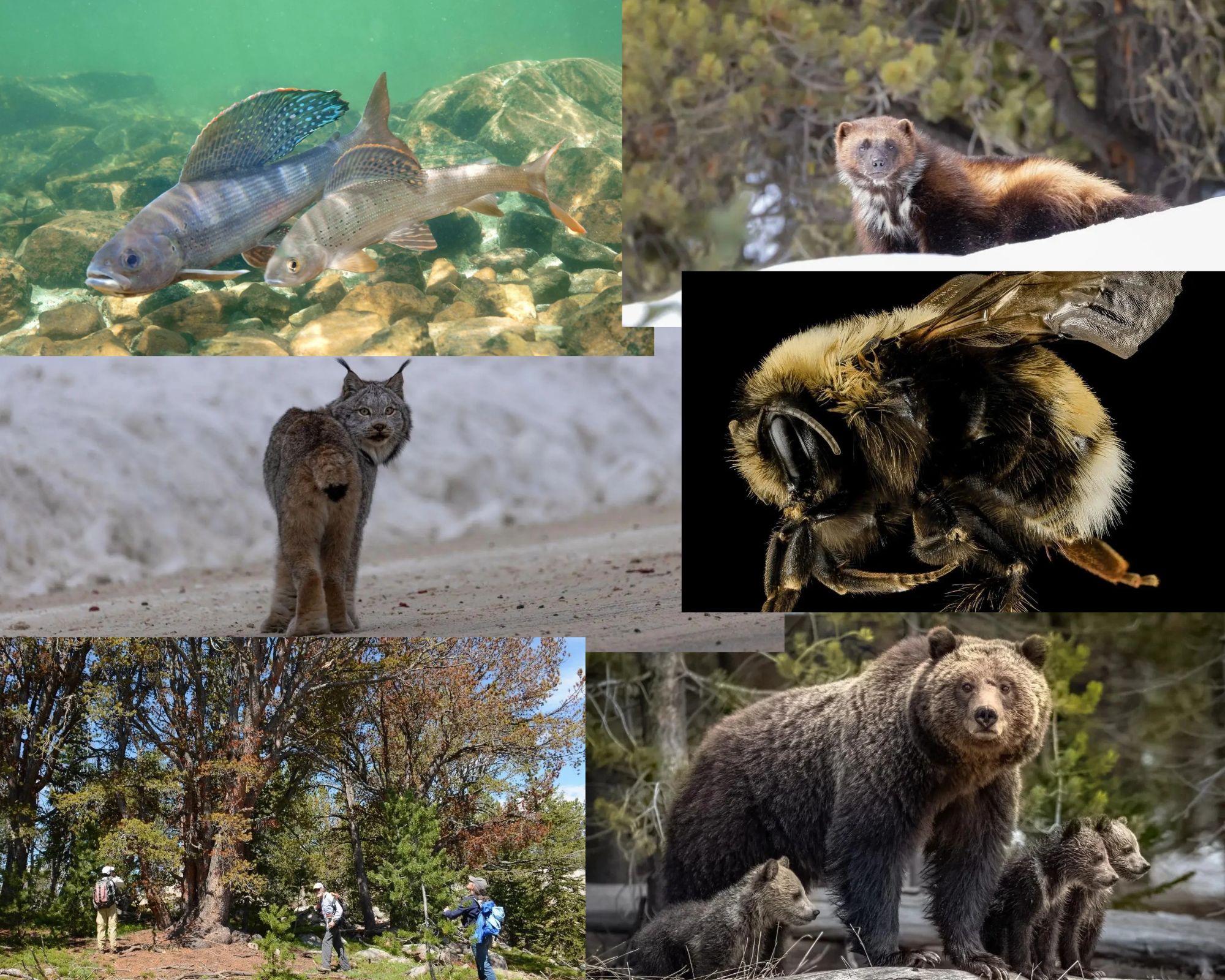
The Trump administration is advancing legislation that conservationists warn will gut the Endangered Species Act. A new permitting bill threatens six species in Greater Yellowstone, including iconic wildlife, while hundreds of imperiled species in Hawai‘i, including endangered forest birds, could face greater threats from industry and development. The changes would remove critical regulatory definitions and protections, marking a significant rollback of environmental safeguards.
New Framework Guides Relocation of Endangered Species
A new framework designed to guide one of the hardest decisions in conservation—whether to move a species outside its historical range to save it from extinction—has been published in Conservation Science and Practice. The framework caps a multiyear, Pacific-wide effort led by the University of Hawaii, providing scientists and managers with a structured approach to assisted migration decisions.

Conservation Wins & Losses
Wins
Conservation Successes Show Promise, But Need Government Support A recent analysis highlights that conservation efforts are successfully bringing species back, with examples including elephants whose deaths leave herds with fewer ways to survive droughts. However, the report stresses that governments must help those gains last, emphasizing that ecological corridors and habitat connectivity are essential for long-term species recovery.

Rewilding Europe Award Showcases Human-Nature Coexistence The Rewilding Europe Award 2026 winners have been announced, showcasing possibilities for when people and nature share space. The award highlights successful rewilding initiatives across Europe where communities live alongside wildness, demonstrating that rewilding is not just about excluding humans but integrating them into the process of healing the earth.

Setbacks
Endangered Species Act Under Threat from Permitting Legislation In a concerning development, the federal government finalized a major change to the Endangered Species Act in July 2026, removing the regulatory definition of critical habitat. Additionally, the "Bipartisan American Affordability and Jobs Act of 2026" has been introduced in Congress, which hundreds of conservation organizations oppose as attacking endangered species protections in permitting legislation.

Research & Discovery
New Amazonian Frog Species Highlights Hidden Biodiversity
A new species, Adenomera varcena, has been described from the Amazon, highlighting how much biodiversity remains hidden in tropical forests. The discovery underscores the urgency of conservation in the region, as scientists continue to identify new species at an accelerating rate—more than 16,000 new species are identified each year.

Deep-Sea Amphipod Discoveries Refine Global Biodiversity Patterns
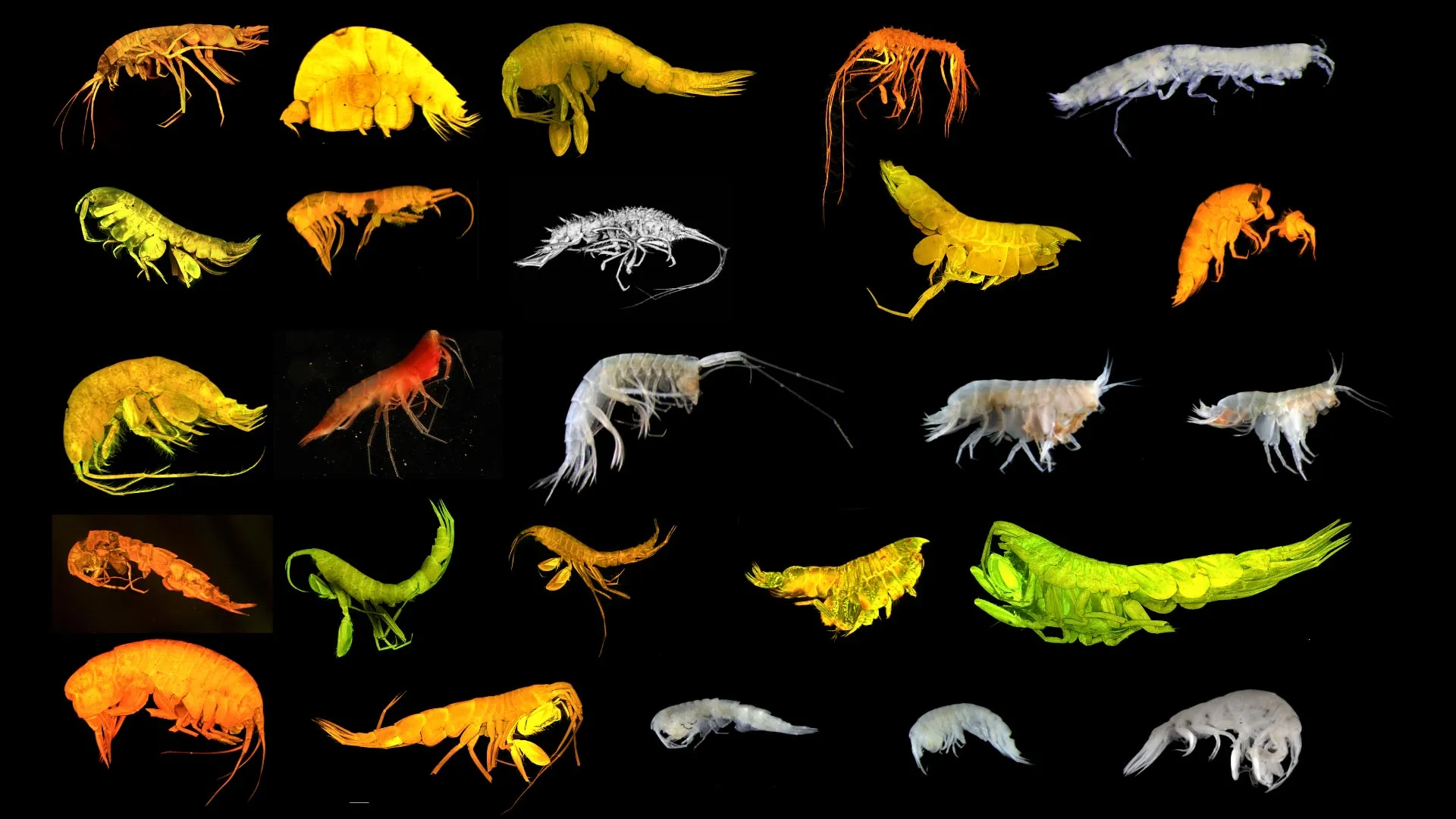
Researchers have discovered 24 new species of amphipods in the Pacific’s Clarion-Clipperton Zone, including a rare, entirely new superfamily. These discoveries refine global biodiversity patterns and underpin ecological theory and conservation planning, revealing far more biodiversity than expected across animals, plants, and fungi.
Policy & Funding
COP17: Global Review of Biodiversity Goals
The first global review of the world’s biodiversity goals is taking place in Yerevan, Armenia, this October. BirdLife International is bringing evidence from across its Partnership with a clear message: Governments must deliver on their commitments. The summit will assess progress toward the 2030 targets and negotiate new funding mechanisms.

Conservation Organizations Oppose ESA Attacks in Permitting Bill
More than 200 conservation organizations have sent a letter to Congress opposing the "Bipartisan American Affordability and Jobs Act of 2026," which they argue attacks endangered species protections in permitting legislation. The bill, introduced by Sens. Sheldon Whitehouse, Martin Heinrich, and Shelley Moore Capito, would weaken environmental review processes.

What to Watch Next Week
- COP17 Outcomes: Monitor the closing plenary sessions of the UN biodiversity summit in Yerevan for final agreements on funding, targets, and accountability mechanisms.
- ESA Legislative Battles: Track congressional action on the "Bipartisan American Affordability and Jobs Act" and any executive orders further weakening Endangered Species Act protections.
- Amazon Conservation Strategies: A large Amazon study suggests the most powerful conservation move may be protecting the forests that are already standing—watch for policy uptake of these findings.
- New Species Descriptions: Continue monitoring taxonomic publications for new species discoveries, particularly from understudied regions like the Amazon and deep-sea zones.
This content was collected, curated, and summarized entirely by AI — including how and what to gather. It may contain inaccuracies. Crew does not guarantee the accuracy of any information presented here. Always verify facts on your own before acting on them. Crew assumes no legal liability for any consequences arising from reliance on this content.
Powered by
