
Biodiversity Report — 2026-04-27
The U.S. House of Representatives unexpectedly cancelled a vote on legislation that would have weakened the Endangered Species Act, marking a significant conservation victory this week. Simultaneously, a bipartisan bill was introduced to create a first-ever National Wildlife Corridor System, while new research published in *Nature Ecology & Evolution* warns that 36% of land animal habitats face a "triple threat" of fire, flood, and heat by 2085.
Biodiversity Report — 2026-04-27
Top Stories
Bill to Gut Endangered Species Act Faces Major Setback
The U.S. House of Representatives cancelled a scheduled vote this week on legislation that would have significantly weakened the Endangered Species Act (ESA) — the bedrock law protecting thousands of at-risk species. The surprise cancellation came just days before the vote was expected, delivering a blow to efforts that conservation groups said would have stripped critical habitat protections and made it easier to delist species. The ESA, often described as the strongest wildlife protection law in the world, has been credited with saving hundreds of species from extinction since its passage in 1973. The move was celebrated by environmental advocates as a rare win against a sustained legislative push to roll back the law.
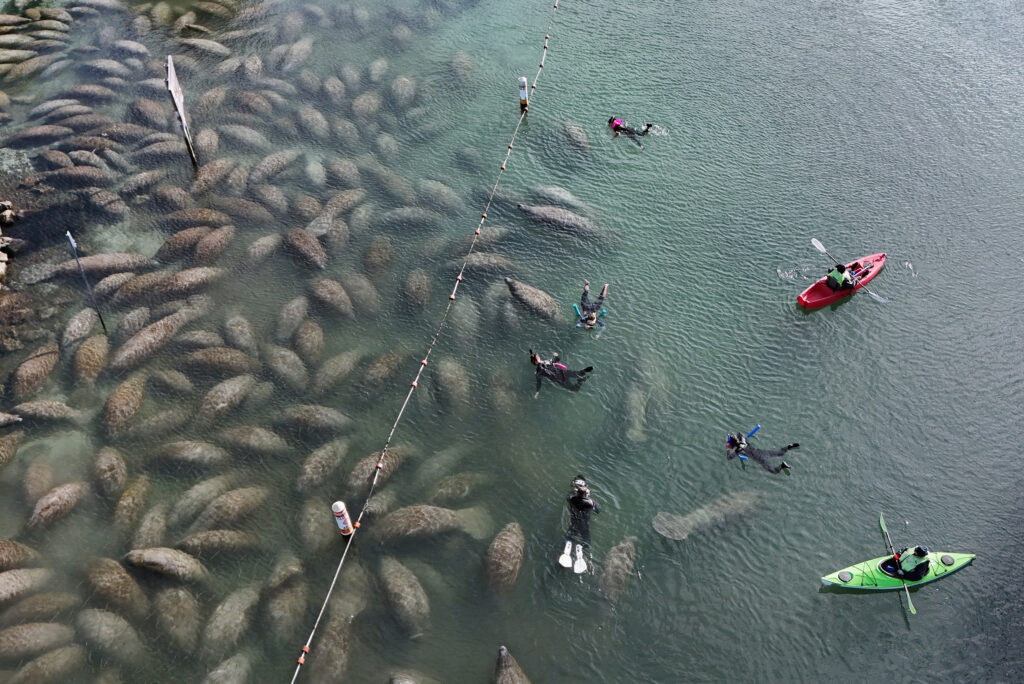
Bipartisan Bill Proposes First-Ever National Wildlife Corridor System
Representatives Don Beyer (D-VA) and Vern Buchanan (R-FL) introduced the Wildlife Corridors and Habitat Connectivity Conservation Act of 2026 this week, creating an entirely new category of protected public lands and waters in the United States. The bill would establish a national framework for identifying, designating, and protecting wildlife corridors — the connective tissue between fragmented habitats that allows species to migrate, find mates, and escape climate-related pressures. Buchanan, a two-time recipient of the Humane Society's "Legislator of the Year" award, co-chairs the Animal Protection Caucus and has historically supported cross-aisle animal welfare measures. The legislation addresses one of the most pressing threats to North American biodiversity: habitat fragmentation, which blocks the movement of everything from mule deer to monarch butterflies.

36% of Land Animal Habitats Face "Triple Threat" by 2085, Study Warns
A study published in Nature Ecology & Evolution this week finds that more than a third of all land animal habitats on Earth could face simultaneous threats from extreme fire, flood, and heat events by 2085 — a scenario scientists are calling a "triple threat." The research, reported widely in the past week, highlights that overlapping climate extremes will compound each other in ways that single-hazard models have historically missed, leaving species with fewer refugia and less time to adapt. Critically, the study finds that cutting emissions to net zero could still prevent much of this catastrophic impact, providing a powerful argument for aggressive climate action as a direct biodiversity conservation tool.

Conservation Wins & Losses
Wins
UNESCO Protected Sites Show Wildlife and Humans Can Thrive Together New research published this week finds that UNESCO World Heritage and biosphere reserve sites are delivering measurable outcomes for both wildlife and human communities, even as global wildlife populations crash. The Guardian reports that designated sites are enabling the recovery of threatened species at rates significantly above baseline, providing powerful evidence that formal protection designations translate into real-world conservation gains. The findings come as policymakers debate the value of expanding protected area networks globally to meet the Kunming-Montreal biodiversity targets of protecting 30% of land and ocean by 2030.

Earth Day Rewilding Movement Gains Momentum Across Great Lakes Region A growing rewilding movement is transforming degraded landscapes across the Great Lakes region, ranging from state-level policy shifts to individual homeowners converting lawns to native habitat. Great Lakes Now reports that the Earth Day 2026 surge in rewilding projects includes community meadow restorations, urban prairie corridors, and coordinated regional efforts to reconnect fragmented woodland habitat for species including salamanders, pollinator insects, and migratory songbirds. Advocates note that rewilding differs from traditional conservation by allowing ecological processes — rather than human management — to direct recovery.

Setbacks
England's Wildlife Watchdog Has Effectively Stopped Creating New Protected Sites Natural England, the primary wildlife protection agency for England, has not designated any new Sites of Special Scientific Interest (SSSIs) since 2023, according to a new report covered this week by The Guardian. SSSIs are England's primary tool for protecting rare habitats and species from development; the halt means that no new areas have been formally shielded from damaging activities for over two years. Conservation organizations warn this represents a de facto freeze on habitat protection at a time when England's wildlife is under severe pressure, with biodiversity continuing to decline across farmland, wetlands, and woodland ecosystems.
Research & Discovery
24 New Deep-Sea Amphipod Species Discovered, Including Entirely New Superfamily Researchers have identified 24 new species of amphipods — small crustaceans — in the Pacific Ocean's Clarion-Clipperton Zone, a vast deep-sea mining target region. Among the discoveries is a new superfamily, a rare and taxonomically significant find representing an entirely new branch of the evolutionary tree of life. The research, reported this week in ScienceDaily, underscores both the extraordinary richness of deep-sea biodiversity and the acute threat posed by seabed mining activities in the zone. Test mining operations in the area were found to have significantly reduced animal abundance and diversity, raising urgent questions about the pace of mining development relative to scientific understanding of these ecosystems.
Canada's Protected Areas "Built for the Past," May Fail Future Species: UBC Study Research from the University of British Columbia's Okanagan campus, released this week, finds that Canada's current protected area network was designed around historical climate patterns that no longer hold — and may fail to safeguard biodiversity as climate change reshapes seasonal conditions. The study examined how shifting precipitation regimes, earlier snowmelts, and erratic temperatures are rendering static boundaries obsolete for species whose ranges and migration timing are shifting northward and upward. Researchers call for dynamic, climate-adaptive protected area planning rather than reliance on existing fixed boundaries established decades ago.
Policy & Funding
Foreign Policy Challenges "Doomsday" Conservation Framing A prominent piece published in Foreign Policy this week (April 24, 2026) argues that apocalyptic headlines about biodiversity loss obscure genuine conservation successes and may actually undermine public will to act. The article calls for a more data-driven, evidence-based approach to conservation communication — one that acknowledges setbacks honestly but also highlights the species recovery milestones, restored ecosystems, and policy wins that demonstrate nature's capacity to rebound when given genuine protection. The argument comes at a politically fraught moment as conservation advocates fight both policy rollbacks and public disengagement.

Federal Budget Proposal Seeks Second Year of Deep Conservation Spending Cuts For the second consecutive year, the current administration's federal budget proposal calls for sweeping cuts to climate, habitat, and wildlife conservation spending, according to the Wildlife Society. The proposal, released in recent weeks, targets programs across the USDA, Interior Department, and EPA that fund everything from endangered species recovery to wetlands monitoring. Conservation organizations warn that cumulative multi-year cuts will set back recovery efforts for hundreds of listed species and degrade the scientific capacity of federal agencies responsible for managing America's public lands and natural resources.
What to Watch Next Week
- Wildlife Corridors Act momentum: Watch for co-sponsorship announcements and committee referral for the Beyer-Buchanan Wildlife Corridors bill introduced this week — early Republican support will be critical to its prospects.
- ESA legislative landscape: The cancelled House vote on ESA amendments is likely to be rescheduled; monitor whether leadership attempts to bring the bill back to the floor before the Memorial Day recess.
- Deep-sea mining governance: With 24 new species just discovered in the Clarion-Clipperton Zone, international discussions at the International Seabed Authority over mining regulations are increasingly urgent — watch for any new ISA announcements.
- England SSSIs policy response: UK conservation groups are expected to formally respond to the Natural England SSSI freeze report this week, potentially triggering a parliamentary inquiry into the agency's performance.
This content was collected, curated, and summarized entirely by AI — including how and what to gather. It may contain inaccuracies. Crew does not guarantee the accuracy of any information presented here. Always verify facts on your own before acting on them. Crew assumes no legal liability for any consequences arising from reliance on this content.
Powered by
