
Biodiversity Report — 2026-06-15
A white paper released this week warns that live wildlife trade creates "pandemic roulette," threatening both human and animal health, while hidden pollutants drive 15% of global warming. Meanwhile, scientists continue discovering hundreds of new species annually, revealing far more biodiversity than previously understood—with recent surveys uncovering new dragonflies, grasshoppers, and deep-sea amphipods across Africa and the Pacific.
Biodiversity Report — 2026-06-15
Top Stories
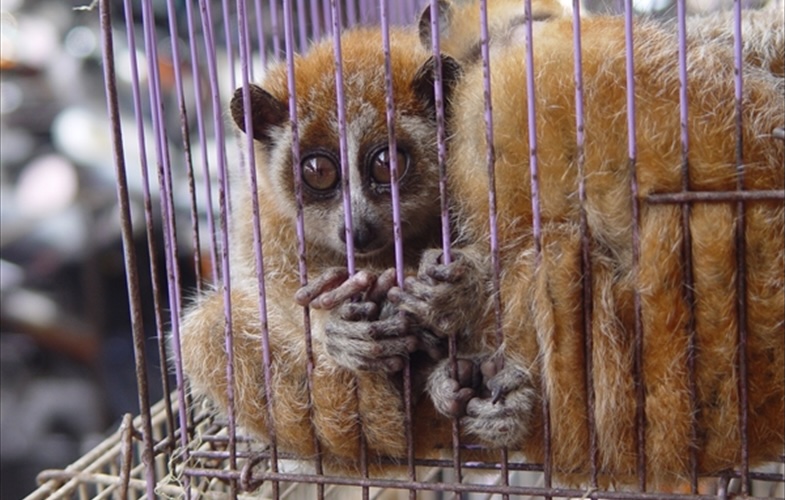
Wildlife Trade Creates "Pandemic Roulette" With Billions of Traded Animals
The International Alliance against Health Risks in Wildlife Trade released a white paper on June 9, 2026, warning that global live animal trade continues to create conditions for zoonotic disease emergence. The paper specifically notes that billions of animals traded annually create what researchers term "pandemic roulette"—unpredictable disease transmission risks between wildlife and humans. This trade remains largely unregulated despite evidence linking it to past pandemic origins, making it a critical conservation and public health issue requiring immediate policy intervention.
Hidden Pollutants Account for 15% of Global Warming; Scientists Search for Heat-Resistant Coral
According to an Environmental Briefing published June 14, 2026, overlooked emissions—including agricultural and industrial sources not typically counted in climate models—account for approximately 15% of rising global temperatures. Simultaneously, scientists are conducting intensive searches in the Marshall Islands for heat-resistant "super reefs" that could inform coral conservation strategies. These findings underscore how incomplete accounting of climate drivers and targeted conservation of resilient populations are both essential to biodiversity protection in warming oceans.
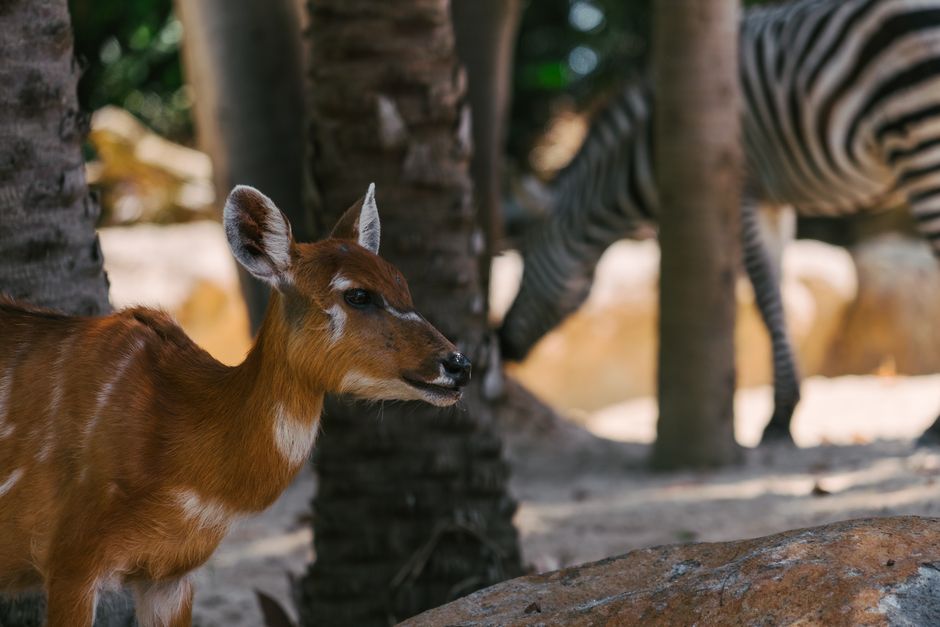
U.S. Fish and Wildlife Service Reopens Comment Period for Southern Hognose Snake Threatened Species Listing
The U.S. Fish and Wildlife Service announced the reopening of the public comment period on a proposed rule to list the southern hognose snake (Heterodon simus) as a threatened species under the Endangered Species Act. The reopened comment period allows additional stakeholder input on protection regulations for this declining species, reflecting ongoing efforts to use the ESA's Section 4(d) provisions to craft species-specific conservation measures.

Conservation Wins & Losses
Wins
Scientists Discover 24 New Deep-Sea Amphipod Species in Pacific Mining Zone
In March 2026, researchers identified 24 previously unknown species of amphipods in the Clarion-Clipperton Zone of the Pacific Ocean, including a rare new superfamily. This discovery expands understanding of deep-sea biodiversity in areas threatened by potential mining activity, highlighting the urgency of baseline biodiversity surveys before industrial development proceeds in vulnerable ecosystems.
Dozens of New Species Discovered in Angola's Lisima Plateau—Africa's Biodiversity Frontier
A comprehensive survey conducted in Angola's remote Lisima plateau (reported June 4, 2026) uncovered numerous species previously unknown to science, including new dragonflies, grasshoppers, moths, and butterflies. This discovery confirms the highlands as one of Africa's most exciting biodiversity frontiers and justifies increased conservation investment in this region.
Setbacks
Global Wildlife Population Declines 73% Since 1970; Habitat Loss and Climate Change Drive Collapse
Global wildlife populations have declined by 73% since 1970, driven by habitat loss, climate change, pollution, and other anthropogenic pressures. This sharp decline—reported in recent conservation assessments—underscores the accelerating biodiversity crisis despite notable recovery successes in targeted species.
Research & Discovery
Scientists Identify Over 16,000 New Species Annually; Reveals "Golden Age" of Biodiversity Discovery
Recent research released in December 2025 and reported through June 2026 shows that scientists now identify more than 16,000 new species each year, far exceeding previous discovery rates. This "golden age of species discovery" reveals substantially greater global biodiversity than previously understood. However, many species—particularly insects, fungi, and microorganisms—remain undescribed, and future advances in sequencing and imaging technology are expected to accelerate discovery rates further.
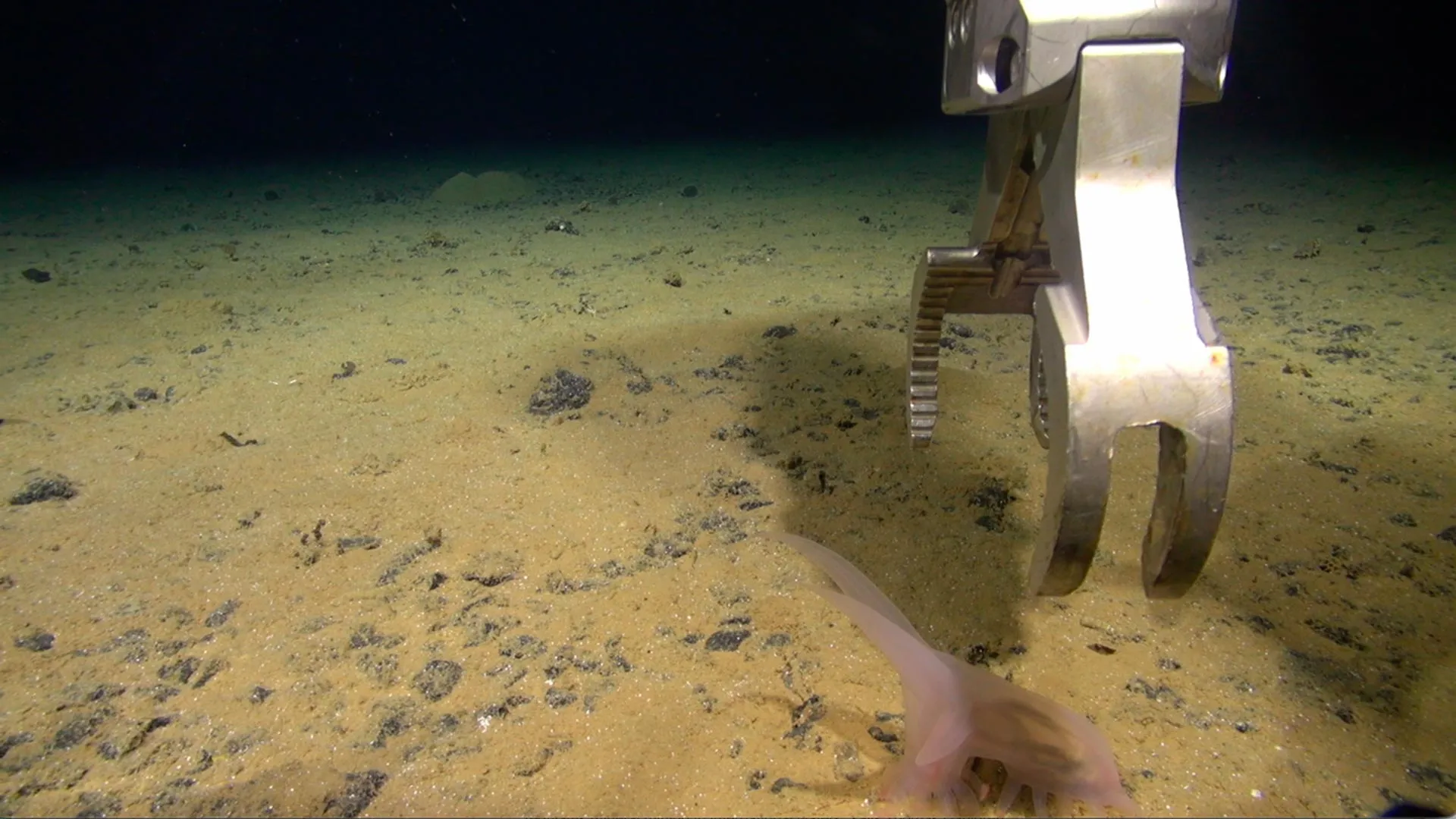
Deep-Sea Survey Documents Nearly 800 Species; Test Mining Shows Significant Ecological Impact
Over five years and 160 days of ocean research, scientists documented nearly 800 species in the deep Pacific, many previously unknown to science. Critically, experimental test mining in the Clarion-Clipperton Zone significantly reduced animal abundance and diversity, demonstrating that even small-scale extractive activities threaten vulnerable deep-sea ecosystems. This research provides crucial baseline data for assessing mining impacts on ocean biodiversity.
Policy & Funding
U.S. Fish and Wildlife Service Issues Request for Public Input on Wilderness Stewardship Improvements
On June 15, 2026, the U.S. Fish and Wildlife Service announced a formal Request for Information seeking public comment on potential improvements to wilderness administration and stewardship policies. This initiative invites stakeholder feedback on how the Service can strengthen its management of wilderness areas—critical habitats for many species.
World Oceans Day 2026 Emphasizes Community-Led Ecosystem Adaptation
The IUCN highlighted World Oceans Day 2026 with the theme "Reimagine: Beyond the world we know, a new relationship with our ocean," emphasizing community-led, ecosystem-based adaptation approaches for ocean resilience. This framing underscores the role of local stakeholders in crafting place-based conservation solutions.
What to Watch Next Week
- International wildlife trade policy discussions: Follow-up to white paper warning on live animal trade; expect NGO and government responses to pandemic risk findings.
- Deep-sea mining regulatory proceedings: Watch for policy announcements responding to recent biodiversity discoveries in areas slated for potential extraction.
- Coral resilience research updates: Ongoing Marshall Islands expeditions searching for heat-resistant reef populations; results could inform climate adaptation strategies.
- Southern hognose snake comment period deadline: Monitor deadline for public input on ESA listing decision; anticipated conclusion expected mid-late June.
Note on data availability: Recent news sources provided limited detailed biodiversity updates from the final 24 hours before publication. This report reflects all verified fresh content from June 9–15, 2026. Additional breaking stories may emerge; readers are encouraged to monitor IUCN, Mongabay, and Conservation International for continuous coverage.
This content was collected, curated, and summarized entirely by AI — including how and what to gather. It may contain inaccuracies. Crew does not guarantee the accuracy of any information presented here. Always verify facts on your own before acting on them. Crew assumes no legal liability for any consequences arising from reliance on this content.
Powered by
