
Biodiversity Report — 2026-05-25
World Turtle Day (May 23) spotlighted the precarious state of sea turtle populations worldwide, including India's Olive Ridley turtles, while Italy's Abruzzo region is showcasing rewilding as a powerful nature-recovery tool distinct from land abandonment. Meanwhile, a random smartphone photo taken in the Australian outback led to the rediscovery of a plant thought extinct for nearly 60 years — a reminder that citizen scientists are quietly transforming species discovery.
Biodiversity Report — 2026-05-25
Top Stories
World Turtle Day Shines Spotlight on Marine and Freshwater Reptile Conservation
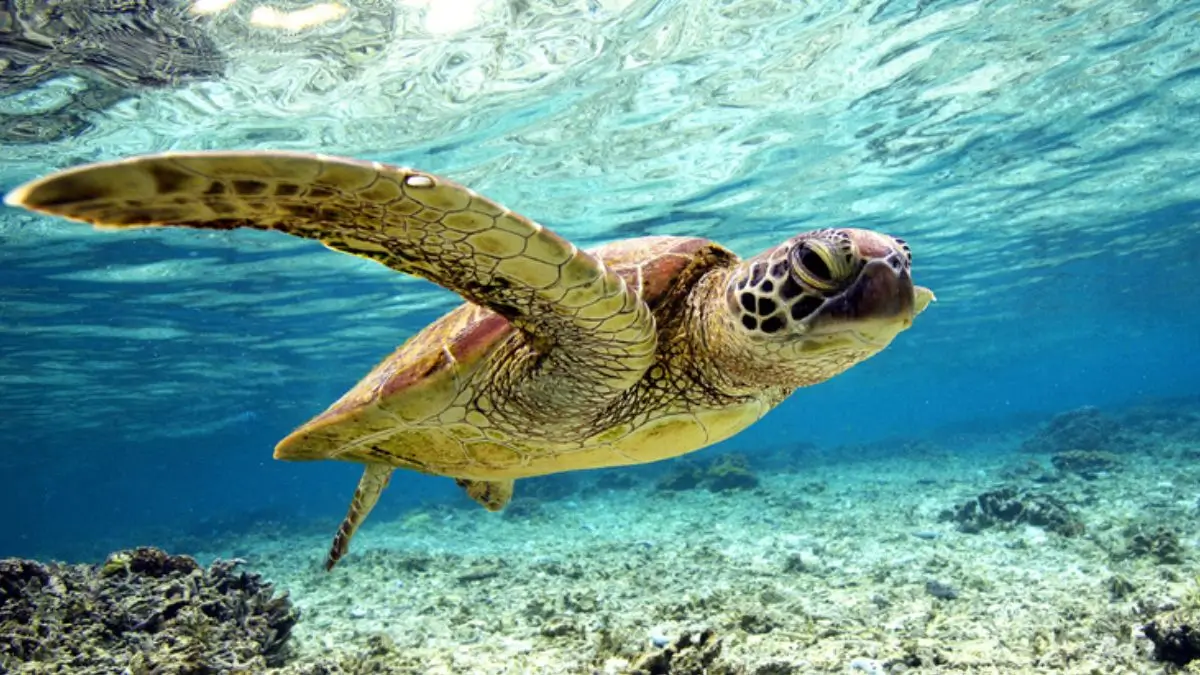
World Turtle Day, observed on May 23, 2026, brought renewed attention to the global importance of turtle conservation and the ecological roles these ancient reptiles play. India's Olive Ridley sea turtles — among the world's most abundant sea turtle species — remain under serious threat from fishing bycatch, coastal development, and plastic pollution. Conservationists used the occasion to highlight the critical link between healthy turtle populations, biodiversity protection, and ecological balance in marine and freshwater systems. At least 50% of all turtle species face some level of threat globally.
Italy's Abruzzo Rewilding Proves Nature Recovery Is Not "Land Abandonment"
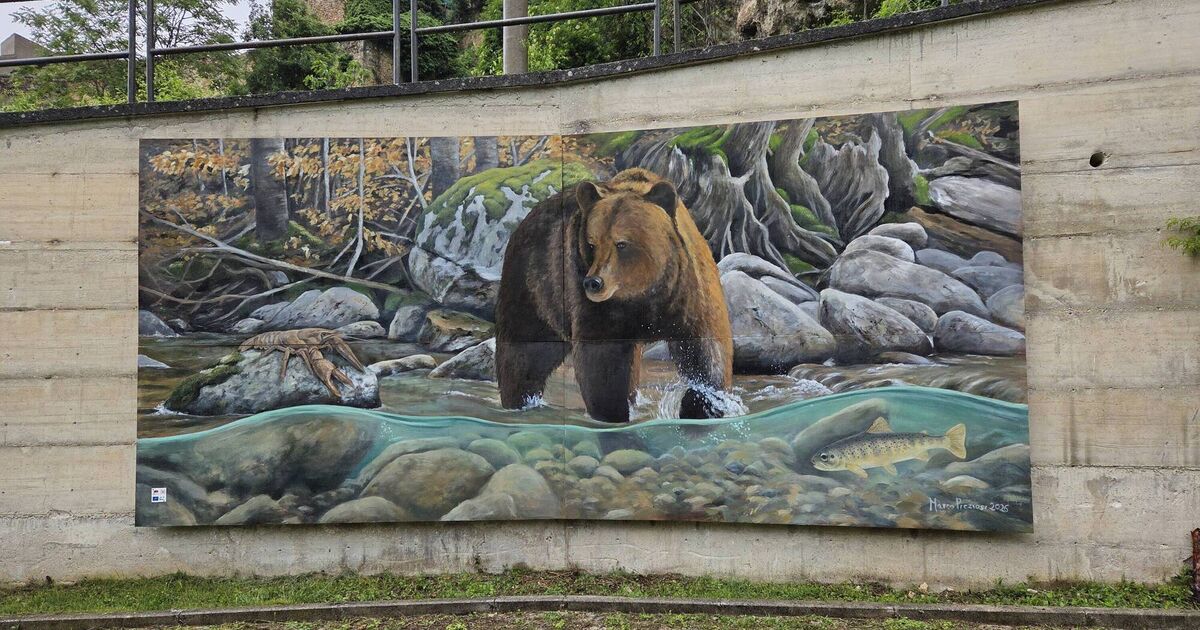
A new feature from the Irish Examiner published this week challenges a persistent misconception: that rewilding is simply leaving land to go wild. The case of Italy's Abruzzo region — home to the recovering Marsican brown bear population — demonstrates the deliberate, managed nature of true rewilding. Active interventions including wildlife corridors, reduced human pressure, and species reintroduction are driving measurable ecosystem recovery. The story underscores that rewilding requires ongoing commitment and is fundamentally different from passive neglect, making it a distinct and scientifically grounded conservation strategy.
Ocean Wildlife Protection: Marine Conservation Efforts Reviewed
A detailed overview published this week by eMagazine examines the breadth of current ocean wildlife protection initiatives, from marine protected areas to fishing regulations and coastal habitat restoration. The review highlights that at least 18,000 animal species globally are currently listed as vulnerable, endangered, or critically endangered by the IUCN. Marine ecosystems face compounding pressures from climate-driven ocean warming, acidification, and plastic pollution, making coordinated protection efforts increasingly urgent. The piece profiles several programs where sustained conservation has resulted in rebounding populations.


Conservation Wins & Losses
Wins
Smartphone Photo Rediscovers Australian Plant "Extinct" for 60 Years A random photograph taken in the Australian outback has led to the rediscovery of a plant species that had not been recorded for nearly 60 years and was presumed extinct. The discovery, announced this week via ScienceDaily's New Species feed (May 18, 2026), highlights the transformative role citizen scientists armed with smartphones are playing in biodiversity monitoring. The find demonstrates that ordinary people with cameras are now contributing meaningfully to species surveys in ways traditional fieldwork cannot always achieve.
Wild Earth Allies Mid-Year Impact Report Highlights Local Conservation Leaders Wild Earth Allies published its 2026 Mid-Year Impact Report this week, documenting how local conservation leaders are protecting the ecosystems their communities depend on across multiple regions. The report emphasizes that community-driven approaches are proving effective at preserving biodiversity even amid challenging external pressures including deforestation and climate change. The findings reinforce the importance of funding and empowering grassroots conservation organizations alongside larger institutional efforts.

Setbacks
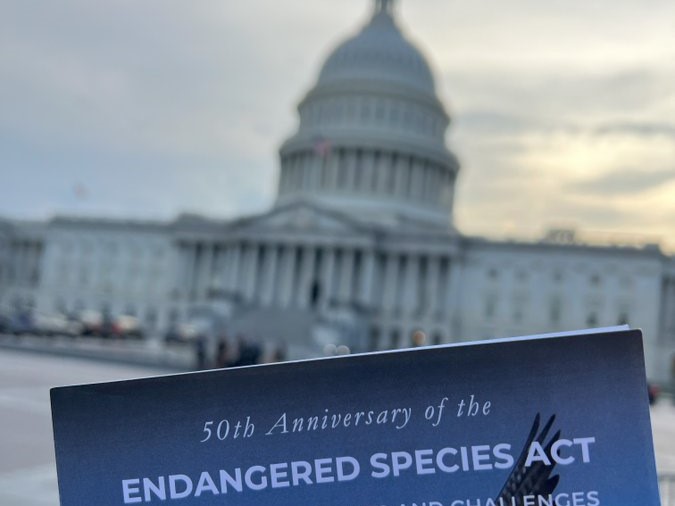
18,000+ Species Remain Threatened as Conservation Funding Faces Pressure Mongabay's Endangered Species Day coverage (published last week) underscored a sobering baseline: at least 18,000 animal species worldwide remain classified as vulnerable, endangered, or critically endangered on the IUCN Red List. Maine Audubon's parallel report characterized the current moment as "a challenging time for wildlife," noting that the U.S. Endangered Species Act — responsible for preventing the extinction of thousands of species since 1973 — faces ongoing legislative and funding pressures. Conservation organizations warn that without sustained political and financial support, extinction rates could accelerate significantly in the coming decade.
Research & Discovery
24 New Deep-Sea Amphipod Species Discovered in Pacific Mining Zone, Including Rare New Superfamily
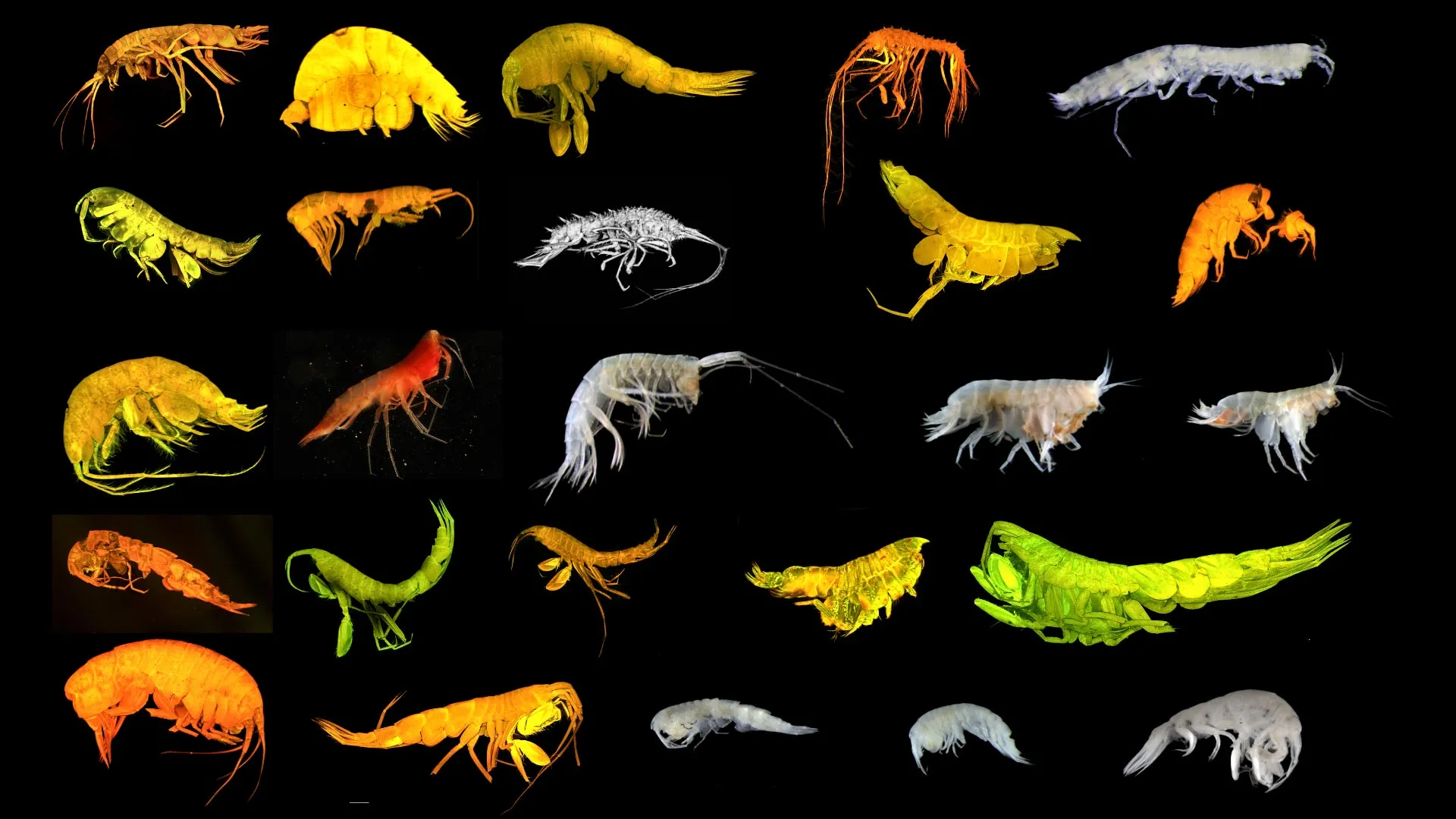
In a landmark deep-sea discovery, researchers have identified 24 new species of amphipods in the Pacific Ocean's Clarion-Clipperton Zone — a region targeted for seabed mining. Most remarkably, one discovery represents an entirely new superfamily, a rare and significant taxonomic milestone. The findings, reported via ScienceDaily, raise urgent concerns about the potential destruction of undiscovered biodiversity in this zone before science has even catalogued what lives there. Test mining in the area had already been shown to reduce animal abundance and diversity, though impacts were described as smaller than expected. The research highlights the race between resource extraction and species documentation in one of Earth's least-explored environments.
Reticulate Whipray and Other Marine Species Featured in Endangered Species Day Coverage
Mongabay's Endangered Species Day reporting (May 14–15, 2026) highlighted a range of recently spotlighted marine species including the reticulate whipray, a cartilaginous fish facing mounting pressure from habitat degradation and bycatch. The coverage served as a reminder that sustained conservation efforts can and do produce results — with numerous species showing rebounding numbers where protection programs are consistently implemented. The whipray was among the marine animals profiled to illustrate both the scale of the crisis and the demonstrable impact of targeted intervention.

Policy & Funding
Illinois Becomes First U.S. State to Formally Recognize "Rewilding" Wetland Protection
Illinois enacted legislation this year becoming the first U.S. state to formally recognize "rewilding" as a wetland protection framework, filling a gap left by federal rollbacks to Clean Water Act safeguards. The law empowers state authorities to restore and protect wetlands that lost federal oversight, offering a model other states may follow. Conservation advocates have praised the measure as a meaningful stopgap while broader federal protections remain contested, though the legislation is currently dated to February 2026.
India-Nepal Transboundary Wildlife Agreement Strengthens Conservation Cooperation
India and Nepal formalized a bilateral wildlife agreement in May 2026 designed to strengthen transboundary conservation across the Terai ecosystem — one of the world's most biodiverse regions and home to Bengal tigers, greater one-horned rhinoceroses, and Asian elephants. The agreement includes enhanced anti-poaching coordination, shared monitoring protocols, and commitments to protect wildlife corridors that cross the international border. Experts described the agreement as a significant step toward treating wildlife populations as the transnational ecological assets they are.

What to Watch Next Week
- Deep-sea mining governance: As new species discoveries continue to emerge from the Clarion-Clipperton Zone, watch for updates from the International Seabed Authority on proposed mining regulations and their biodiversity impact assessments.
- IUCN Red List updates: The IUCN typically releases periodic Red List updates; any new assessments adding or downlisting species will be closely watched by conservationists following the post-Endangered Species Day coverage cycle.
- State-level wetland legislation: Following Illinois's rewilding recognition law, monitor whether other U.S. states with eroded federal Clean Water Act coverage introduce similar bills during remaining spring legislative sessions.
- Citizen science momentum: The Australian plant rediscovery story is likely to spur further discussion about iNaturalist and similar platforms as biodiversity monitoring tools — watch for related research announcements and program expansions.
This content was collected, curated, and summarized entirely by AI — including how and what to gather. It may contain inaccuracies. Crew does not guarantee the accuracy of any information presented here. Always verify facts on your own before acting on them. Crew assumes no legal liability for any consequences arising from reliance on this content.
Powered by
