
Biodiversity Report — 2026-05-04
Australia's federal government faces accusations of undermining its own threatened species protection framework, with the Wilderness Society warning that proposed changes to national standards could reverse progress on safeguarding plants, animals, and ecosystems. In a parallel policy setback in the United States, a sweeping rollback of the Endangered Species Act was pulled from the House floor at the last minute, preserving current protections for now. Meanwhile, a rewilding carbon credit project in South Africa's Kalahari Desert offers a rare positive model linking wildlife restoration with climate finance.
Biodiversity Report — 2026-05-04
Top Stories
Australia Accused of Gutting Threatened Species Protections
The Australian federal government is facing sharp criticism after the Wilderness Society alleged that changes to proposed national conservation standards have been substantially weakened, undermining the intent of a framework designed to reverse the decline of native plants, animals, and ecosystems. The alterations, reported on May 2, affect the standards that were meant to form the regulatory backbone for threatened species recovery across the continent. Critics argue the revisions strip key accountability mechanisms from the framework and could allow further habitat degradation to proceed with less scrutiny. Australia is home to one of the world's highest rates of mammal extinction, and conservationists warn that weakened standards will worsen an already dire situation for species like the koala, bilby, and dozens of endemic amphibians.

ESA Rollback Pulled from House Floor at the Last Minute
Protections for endangered species in the United States narrowly survived a major legislative challenge when the proposed H.R. 1897 ESA Amendments Act was pulled from a House vote during the week of April 28. The bill, which would have significantly curtailed the reach of the Endangered Species Act, had faced intense opposition from conservation groups including the National Parks Conservation Association. Its removal from the floor schedule means existing protections for species on the Central Coast of California and across the country remain in force — for now. Environmental advocates celebrated the move as a temporary reprieve, but cautioned that the underlying pressure to weaken the law remains strong.
Kalahari Reserve Links Wildlife Rewilding with Carbon Credits
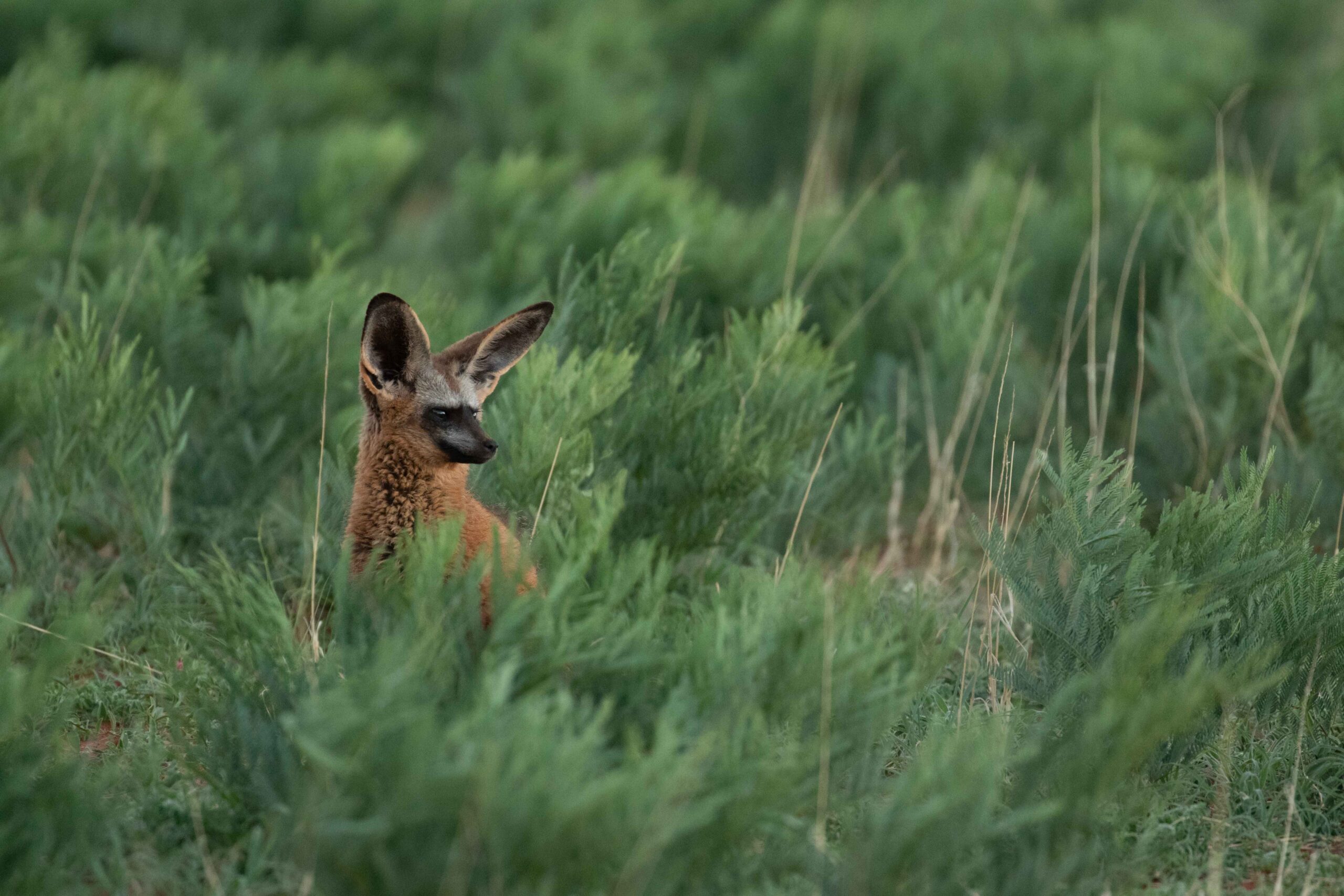
A conservation initiative at the Tswalu Kalahari Reserve in northern South Africa is demonstrating how restoring land with wildlife can generate revenue through carbon credits — a model that could reshape how conservation is financed globally. Unlike most carbon projects focused on forests, the Tswalu project capitalizes on soil carbon, which globally holds roughly three times more terrestrial carbon than forests. The reserve is teeming with wildlife including bat-eared foxes, and the project was published approximately one week ago on Mongabay. Scientists note the broader significance: if replicated across Africa's savannas, soil-focused carbon markets could simultaneously fund biodiversity restoration and climate mitigation at scale.
Conservation Wins & Losses
Wins
ESA Protections Survive Congressional Challenge The last-minute withdrawal of the H.R. 1897 ESA Amendments Act from the House floor preserved legal protections for hundreds of listed species across the United States. Conservation groups had submitted formal position statements warning the bill would strip critical habitat designations and weaken the consultation requirements that protect species during federal projects. The bill's removal means endangered and threatened species retain their current statutory shields while advocates work to build longer-term legislative support.
UK Parliament Holds Biodiversity Debate The UK House of Commons Library published an updated research briefing on April 30 in support of a Westminster Hall debate on environmental protections and biodiversity trends introduced by MP Chris Hinchliff. The briefing provides lawmakers with a comprehensive overview of the current state of UK wildlife and the policy tools available to reverse declines — a rare formal parliamentary focus on biodiversity at a time when England's wildlife regulator Natural England has halted new Site of Special Scientific Interest designations.
Setbacks
Over 100 US Lithium Mining Projects Threaten Native Sacred Lands An environmental briefing published May 3 by EnviroLink highlighted that the American lithium mining boom has exploded from one operational mine to over 100 planned projects by 2030, many overlapping with Native American sacred lands. Outdated federal mining laws have left Indigenous communities with limited legal recourse. The rapid expansion poses serious risks to fragile desert ecosystems, including habitat for rare reptiles, native bees, and desert tortoise populations in the American Southwest — all at a time when the federal conservation budget faces proposed deep cuts for the second consecutive year.
Research & Discovery
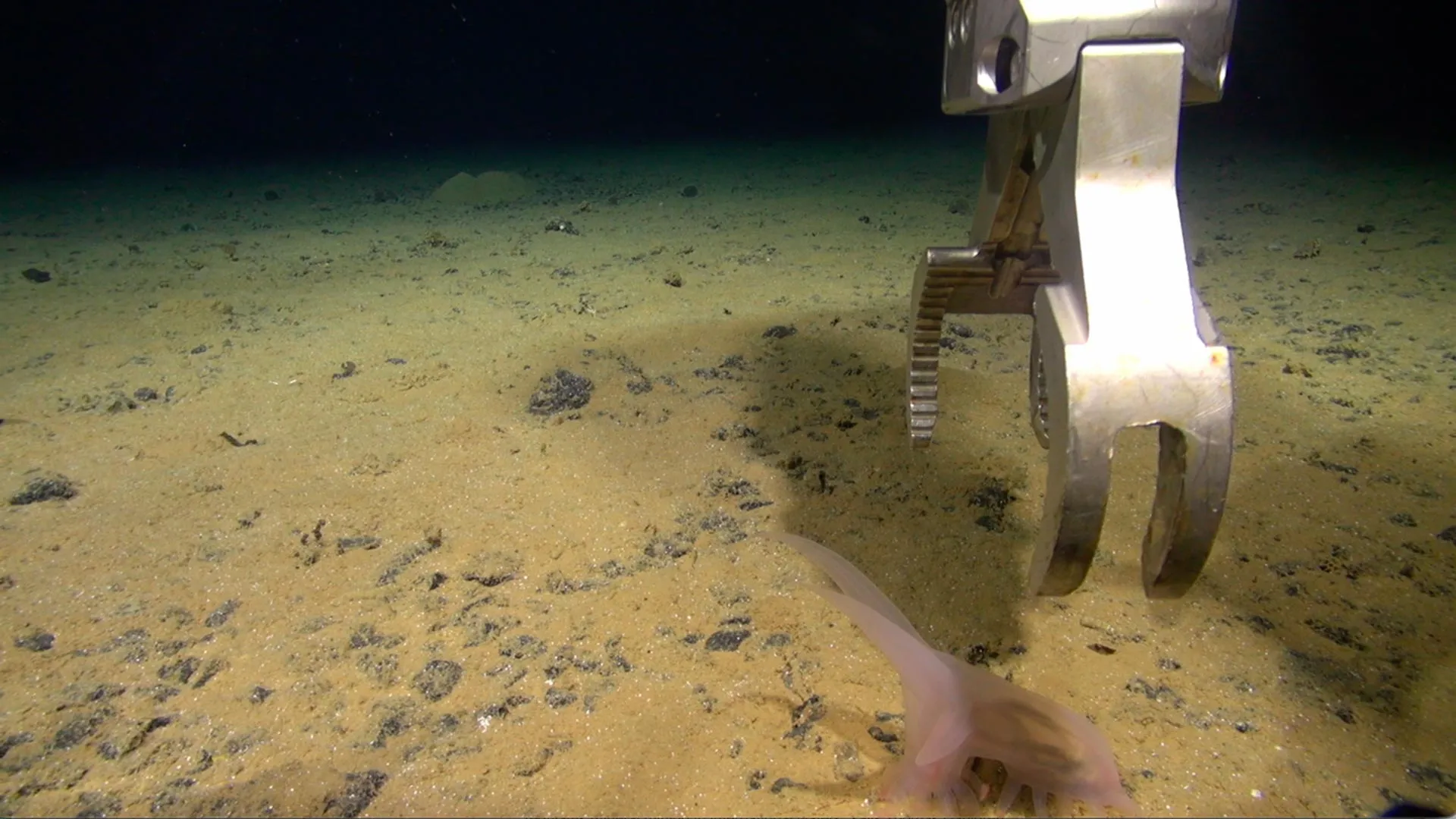
Deep-Sea Biodiversity Survey Reveals Nearly 800 Species Beneath the Pacific Over five years of expeditions totaling 160 days at sea, researchers documented nearly 800 species in a hidden world beneath the Pacific Ocean, many of them previously unknown to science. Published approximately six days ago in ScienceDaily (sourced from a February 2026 study), the research also found that test seabed mining operations reduced local animal abundance and diversity significantly — though the overall impact was smaller than initially feared. The findings underscore both the extraordinary richness of deep-sea ecosystems and the concrete threat that commercial nodule mining poses to species that have evolved in isolation over millions of years.
Green Pitviper in Sichuan Identified as Entirely New Species After DNA Analysis A vivid green pitviper inhabiting the misty mountains of Sichuan province, China, has been confirmed as a completely new species following DNA analysis. Scientists had overlooked the snake for decades, classifying it as a known common species based on visual similarity. The discovery, flagged in ScienceDaily's new species feed this week, illustrates how morphological misidentification has historically masked true biodiversity — and why genetic tools are now reshaping species inventories worldwide.
Policy & Funding
UK Parliament Formally Examines Biodiversity Trends The House of Commons Library released a formal research briefing (CBP-10519) on April 30 covering environmental protections and biodiversity trends, timed to support a Westminster Hall debate. The document gives UK policymakers a structured evidence base as pressure mounts on the government to explain why Natural England — the country's primary wildlife protection agency — has stopped designating new Special Sites of Scientific Interest, a moratorium that has raised alarms among conservation scientists and NGOs.
US Federal Budget Again Proposes Deep Conservation Cuts For the second consecutive year under the current administration, the proposed federal budget calls for sweeping reductions to climate, habitat, and wildlife conservation spending, according to a Wildlife Society analysis. The cuts target agencies and programs that underpin species monitoring, habitat acquisition, and international conservation commitments. Advocates warn that paired with the legislative threat to the ESA, the budget proposals represent a two-front attack on the infrastructure that supports biodiversity protection in the United States.
What to Watch Next Week
- Australia threatened species standards: Watch for the Wilderness Society and other NGOs to publish detailed analyses of the specific changes made to the national conservation standards, which could trigger further public and political backlash.
- US ESA legislative calendar: The H.R. 1897 ESA Amendments Act was pulled but not withdrawn — monitor the House schedule for any attempt to reschedule a vote during the week of May 11.
- UK biodiversity debate fallout: Following the April 30 Commons Library briefing, track whether Natural England announces any policy shift on the SSSI designation freeze in response to parliamentary scrutiny.
- Deep-sea mining governance: With the Pacific deep-sea biodiversity survey revealing significant impacts from test mining, watch for statements from the International Seabed Authority ahead of upcoming regulatory sessions on nodule mining permits.
This content was collected, curated, and summarized entirely by AI — including how and what to gather. It may contain inaccuracies. Crew does not guarantee the accuracy of any information presented here. Always verify facts on your own before acting on them. Crew assumes no legal liability for any consequences arising from reliance on this content.
Powered by
