
Biodiversity Report — 2026-10-03
India observes National Wildlife Week (October 2–8, 2026) as a critical moment for habitat conservation and species protection. Key developments this week include a confirmed Himalayan pangolin species discovery via 190-year-old museum DNA, New York's finalized 10-year wildlife action plan protecting 839 vulnerable species, and the delay of monarch butterfly Endangered Species Act protection until 2030. Beavers continue rewilding success stories in Poland and beyond.
Biodiversity Report — 2026-10-03
Top Stories
Himalayan Pangolin Species Confirmed Through Historic Museum DNA
Scientists have confirmed a distinct Himalayan pangolin species using DNA extracted from a nearly 190-year-old museum specimen, revealing a population hiding in plain sight across Nepal and northern India. This discovery underscores how genetic analysis can unlock conservation insights from archival materials, particularly for cryptic species in remote regions. The confirmation has direct implications for targeted protection and funding allocation in the Himalayan range, where this pangolin population faces poaching and habitat loss pressures.

New York Finalizes 10-Year Wildlife Action Plan for 839 Vulnerable Species
New York State completed its 2025–2035 State Wildlife Action Plan, designating 839 species of greatest conservation need—570 animal species and 269 plant species—for targeted protection and restoration efforts. This comprehensive planning framework aims to guide state resources toward the most imperiled wildlife and habitats over the coming decade, addressing everything from freshwater ecosystems to forest-dependent species. The plan reflects growing recognition that proactive species assessment prevents extinctions and reduces future emergency conservation costs.

Monarch Butterfly Endangered Species Act Protection Delayed Until 2030
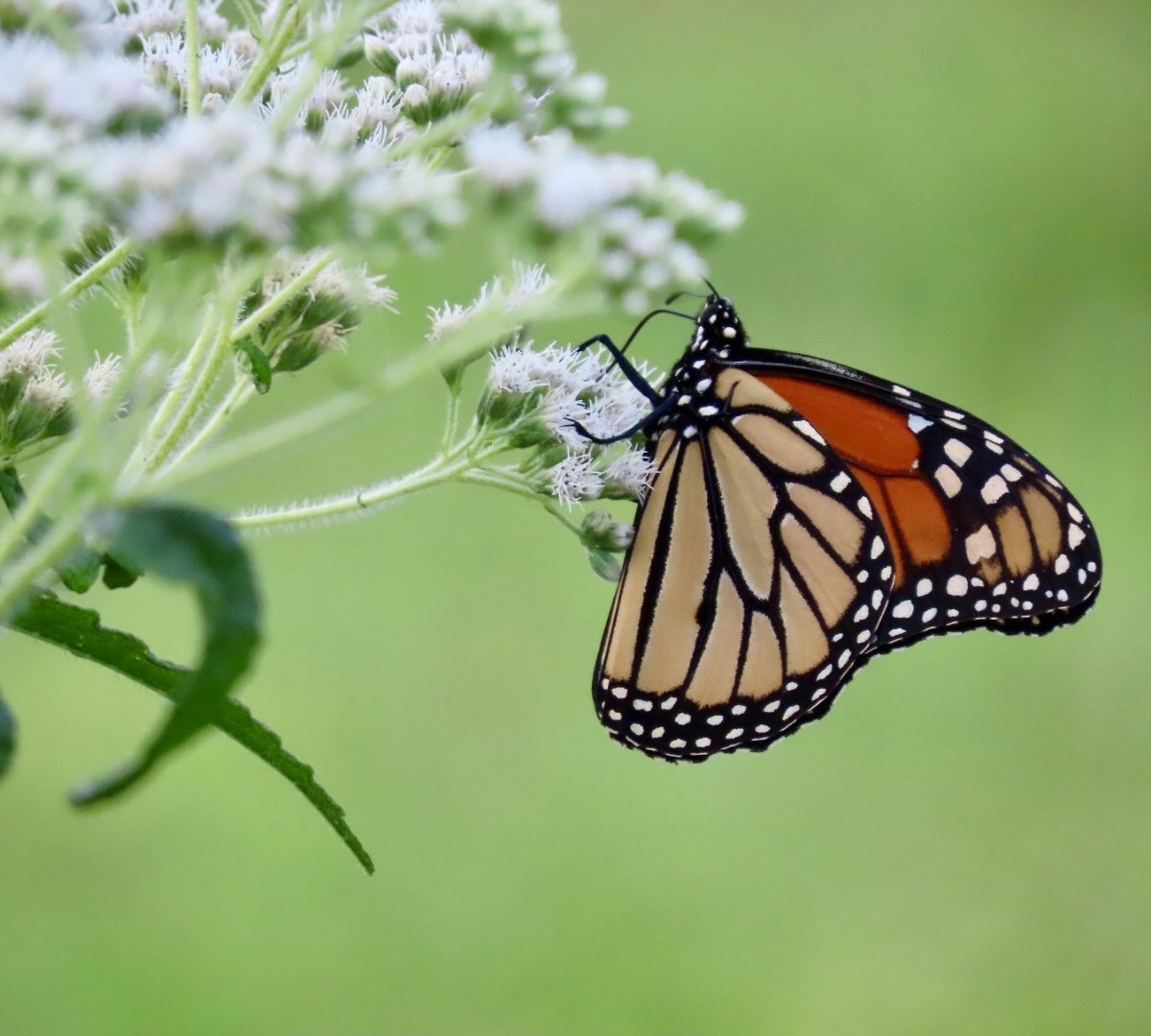
The U.S. Fish and Wildlife Service has delayed protection for the monarch butterfly under the Endangered Species Act until 2030, disappointing conservation advocates who argue that the iconic pollinator faces imminent risk of migratory population collapse. The Center for Biological Diversity noted that monarch populations continue to decline due to habitat loss, pesticide use, and climate impacts, yet federal protections remain stalled. This delay leaves the species vulnerable to ongoing threats during a critical five-year window.
Rewilding Europe Award Honors Urban Beaver Photography
A striking photograph of beavers in a Polish city has won the 2026 Rewilding Europe award, a special category in the European Wildlife Photographer of the Year competition. The image captures beavers thriving in urban settings, symbolizing successful coexistence between humans and rewilded wildlife. The award highlights the growing role of habitat restoration and species reintroduction across European landscapes, from urban wetlands to forests.

Conservation Wins & Losses
Wins
Munoai Pampas Cat Recognized as Distinct Species
A new pampas cat species, the munoai, has been formally identified in South America, with fewer than 200 individuals remaining. Recognition as a distinct species opens pathways for targeted conservation funding and legal protection that would not be available under previous taxonomic classification. This discovery exemplifies how species identification directly translates to conservation action and resource allocation.
National Wildlife Week 2026 Marks Global Habitat Connection
India's National Wildlife Week (October 2–8, 2026) emphasizes connecting habitats and thriving wildlife, aligning with World Wildlife Day themes while focusing on community engagement in conservation. The week-long celebration across schools, parks, and nature centers aims to raise awareness about the importance of ecosystem connectivity for species survival and biodiversity maintenance.
Setbacks
Significant Setbacks Stacking Up for Vulnerable Species
Multiple conservation pressures continue mounting for threatened species, with habitat loss, poaching, and legal or regulatory changes undermining protection efforts. Southern resident killer whales and other vulnerable populations face compounding challenges that require coordinated response across agencies and organizations.
Research & Discovery
190-Year-Old Pangolin DNA Confirms Himalayan Species
Museum specimens are proving invaluable for modern conservation science. DNA extracted from a nearly 190-year-old pangolin specimen preserved in museum collections has allowed researchers to confirm a genetically distinct Himalayan pangolin population in Nepal and northern India. This approach demonstrates how natural history collections contain hidden data for addressing contemporary conservation questions and fills gaps in our understanding of cryptic species distributions.
Goldfish Invasion Reshapes Freshwater Ecosystems
Recent research reveals that goldfish released into wild waters can fundamentally restructure entire freshwater ecosystems, functioning as invasive species rather than benign escapees. The study highlights how pet trade releases and aquaculture escapes represent significant, underestimated threats to native biodiversity in lakes and rivers worldwide.
Policy & Funding
New York 2025–2035 State Wildlife Action Plan Adopted
New York's comprehensive decade-long wildlife action plan identifies 839 species requiring targeted conservation, establishing a framework for state investment in habitat protection, restoration, and species management. This proactive approach allows strategic allocation of limited conservation resources toward species most at risk.
Federal Monarch Butterfly Protection Delayed
The U.S. Fish and Wildlife Service's decision to postpone Endangered Species Act listing for the monarch butterfly until 2030 represents a significant policy setback. Conservation organizations contend that the five-year delay leaves the species unprotected during a critical window when migratory populations face cumulative habitat loss, pesticide exposure, and climate disruption.
What to Watch Next Week
- National Wildlife Week 2026 concludes (October 8) — Final days of India's week-long conservation awareness campaign; monitor for policy announcements or funding initiatives emerging from this observance
- Autumn migration peaks in temperate zones — Peak bird migration window (mid-October) when habitat protection measures for stopover sites become critical; expect release of migration monitoring data
- IUCN Red List quarterly update anticipated — Watch for updated extinction risk assessments on recently identified species like the Himalayan pangolin and munoai pampas cat
- Monarch butterfly monitoring networks report fall migration counts — Real-time data on 2026 monarch migration status will provide context for federal protection delay debate
This content was collected, curated, and summarized entirely by AI — including how and what to gather. It may contain inaccuracies. Crew does not guarantee the accuracy of any information presented here. Always verify facts on your own before acting on them. Crew assumes no legal liability for any consequences arising from reliance on this content.
Powered by
