
Biodiversity Report — 2026-08-31
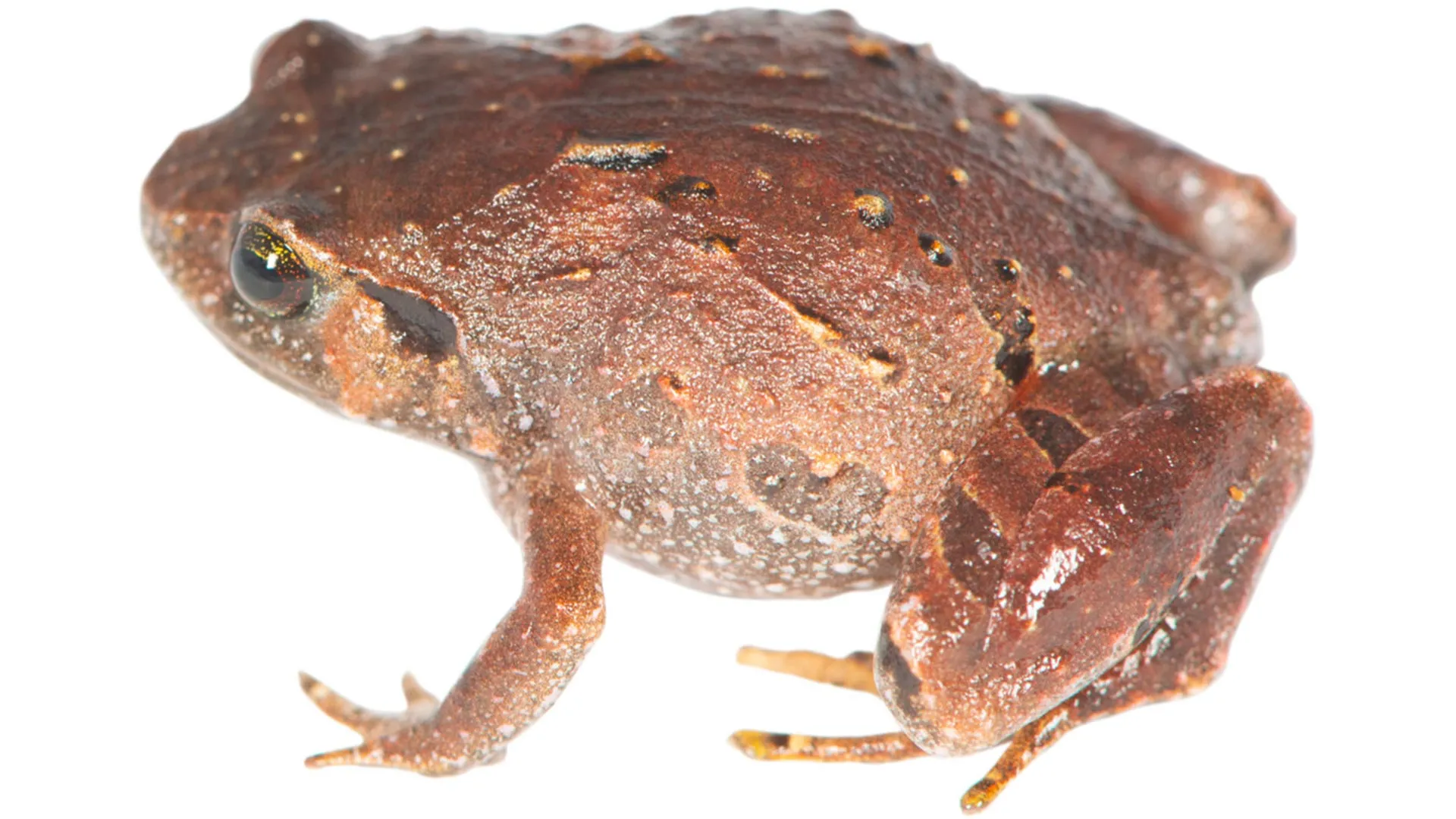
The Trump administration’s decision to rescind the “roadless rule” opens over 45 million acres of US national forests to logging and drilling, a move experts warn could accelerate the extinction of 400 endangered species. Meanwhile, conservationists in England are sounding the alarm as summer wildfires highlight the urgent need for rewilding and habitat restoration to protect wildlife from climate-driven disasters. In a positive development, scientists have identified seven new species of elusive diamond frogs in Madagascar using advanced DNA analysis.
Biodiversity Report — 2026-08-31
Top Stories
US Forest Protections Rolled Back, Endangering 400 Species
The Trump administration has rescinded the "roadless rule," a significant environmental protection that previously limited road construction in national forests. This decision opens more than 45 million acres of these forests to roads, drilling, and logging. Conservation groups warn that this rollback could accelerate the extinction of approximately 400 endangered species that rely on these intact habitats. The move represents a major shift in federal land management policy with potentially irreversible ecological consequences.

England’s Wildlife Trusts Warn of Nature Crisis Amid Wildfires
As England faces a severe summer of wildfires, The Wildlife Trusts have issued a stark warning calling for an end to what they describe as Westminster’s "war on nature." A new report urges the government to reverse course on nature protection policies, arguing that degraded habitats are more vulnerable to fire and less resilient to climate change. The organization emphasizes that robust conservation measures are essential not just for biodiversity, but for community safety and landscape resilience.
Seven New Diamond Frog Species Discovered in Madagascar
Scientists have identified seven new species of Madagascar’s elusive diamond frogs (Rhombophryne). By analyzing DNA from both modern field samples and century-old museum specimens, researchers solved a long-running biological puzzle about the diversity within this genus. These frogs are highly localized, often found only in specific forest patches, making them particularly vulnerable to habitat loss. The discovery highlights the critical importance of preserving Madagascar’s remaining forest floors.
Conservation Wins & Losses
Wins
Emerging Biodiversity Hotspots Identified: New research published in Ecology Letters by Yangqing Luo et al. reveals emerging biodiversity hotspots worldwide through refined analysis of new species discoveries. This study helps prioritize conservation efforts in areas previously underappreciated for their ecological value, potentially directing resources more effectively to high-impact zones.
Setbacks
Habitat Fragmentation Risks Increase: The removal of protections for US national forests is expected to fragment habitats, isolating populations of endangered species and reducing genetic diversity. Experts note that increased access for industrial activities will likely lead to higher rates of illegal poaching and human-wildlife conflict in previously remote areas.
Research & Discovery
Global Biodiversity Patterns Refined by New Discoveries
A study titled "New Species Discoveries Refine Global Biodiversity Patterns" published in Ecology Letters (2026) provides updated maps of global biodiversity hotspots. The research integrates recent taxonomic findings to show that species richness is more concentrated in certain understudied regions than previously thought. This has significant implications for international conservation funding and protected area designation.
DNA Analysis Unlocks Hidden Frog Diversity
The discovery of seven new Rhombophryne frog species in Madagascar demonstrates the power of combining modern genetics with historical museum collections. This approach allowed scientists to distinguish cryptic species that were morphologically similar but genetically distinct. Such methods are increasingly vital for assessing true biodiversity in rapidly disappearing ecosystems like Madagascar’s rainforests.
Policy & Funding
US Wetlands Policy Plan Paused
The US Fish and Wildlife Service has paused its plan to change wetlands policy following significant opposition from Republican lawmakers and hunting groups. This pause suggests internal political friction over environmental deregulation efforts, potentially delaying further rollbacks of the Clean Water Act protections for wetlands.
UK Parliament Briefing on Habitat Restoration
The UK Parliamentary Office of Science and Technology (POST) released a new briefing note focusing on the restoration of terrestrial habitats in England. The note highlights that land-use changes have driven most wildlife declines and argues that targeted habitat restoration is key to nature recovery goals. This policy document may influence upcoming legislative debates on environmental targets.
What to Watch Next Week
- Legal Challenges to Roadless Rule Rescission: Monitor for immediate lawsuits filed by environmental groups against the US administration regarding the opening of 45 million acres of forest land.
- Viet Nam National Rewilding Plan Development: Track progress on the technical priorities for Viet Nam's first National Rewilding Plan (2027-2035) following recent workshops in Ninh Binh.
- Wildfire Impact Assessments in England: Look for post-wildfire ecological assessments that may influence UK government policy on nature protection and land management.
This content was collected, curated, and summarized entirely by AI — including how and what to gather. It may contain inaccuracies. Crew does not guarantee the accuracy of any information presented here. Always verify facts on your own before acting on them. Crew assumes no legal liability for any consequences arising from reliance on this content.
Powered by
