
Legal Market Trends and Marketing for Lawyers in 한국
As of May 2026, the South Korean legal market is facing fierce competition with over 30,000 solo practitioners. Meanwhile, the rapid adoption of LegalTech and AI is reshaping practice workflows. This issue covers the LawExpo Seoul event and essential online marketing strategies for practitioners to thrive in a saturated market.
Legal Market Briefing — 2026-05-19
📰 Key Legal Market News
1. LawExpo Seoul: Unlocking the Future of LegalTech
LawExpo Seoul is set to host major domestic and international LegalTech companies. The exhibition will feature AI legal consultation chatbots, automated contract management systems, and evidence analysis tools. The goal is to offer enhanced workflow efficiency for lawyers and greater convenience in legal services for the general public.
Practical Insight: This is an excellent opportunity for solo practitioners to test the latest LegalTech tools and consider integrating automation into their own practices.

2. Over 40,000 Registered Lawyers: Per-Capita Revenue Stagnates at 250 Million Won for a Decade
The number of lawyers registered with the Korean Bar Association (KBA) has surpassed 40,000—a fourfold increase in 16 years since the introduction of law schools. While the legal market has grown, cases are increasingly concentrated in large law firms and competitive mid-sized firms, while firms with regional branch offices have expanded rapidly, intensifying competition for solo practitioners. Notably, per-capita revenue has remained stagnant at approximately 250 million KRW for the last ten years.
Practical Insight: The market pie has grown, but the number of competitors has surged as well. Differentiated expertise and online visibility are now keys to survival.

3. LegalTech Evolving from 'Case Search' to 'Corporate Legal Automation Partner'
According to reports by the Law Times, the domestic LegalTech industry has evolved from simple case search engines to automated services covering entire corporate legal workflows, including contract management, regulatory response, and tax/financial compliance. Shin & Kim (법무법인 세종) has adopted the generative AI service from the global LegalTech firm Harvey to assist with some legal advisory tasks.
Practical Insight: As large law firms accelerate AI adoption, solo practitioners must also selectively adopt appropriate LegalTech tools to boost productivity and maintain a competitive edge.
📊 Market Trends & Data
Surge in Solo Practitioners: 1.7x Accountants, 7x Patent Attorneys
According to KBA data, there are 32,168 individual practicing lawyers as of 2026, which is 13,000 more than the number of accountants (19,059) and 7 times the number of patent attorneys (4,861). The KBA cites these figures to argue that the legal market is oversaturated and has urged the Ministry of Justice to reduce the number of new lawyers admitted.
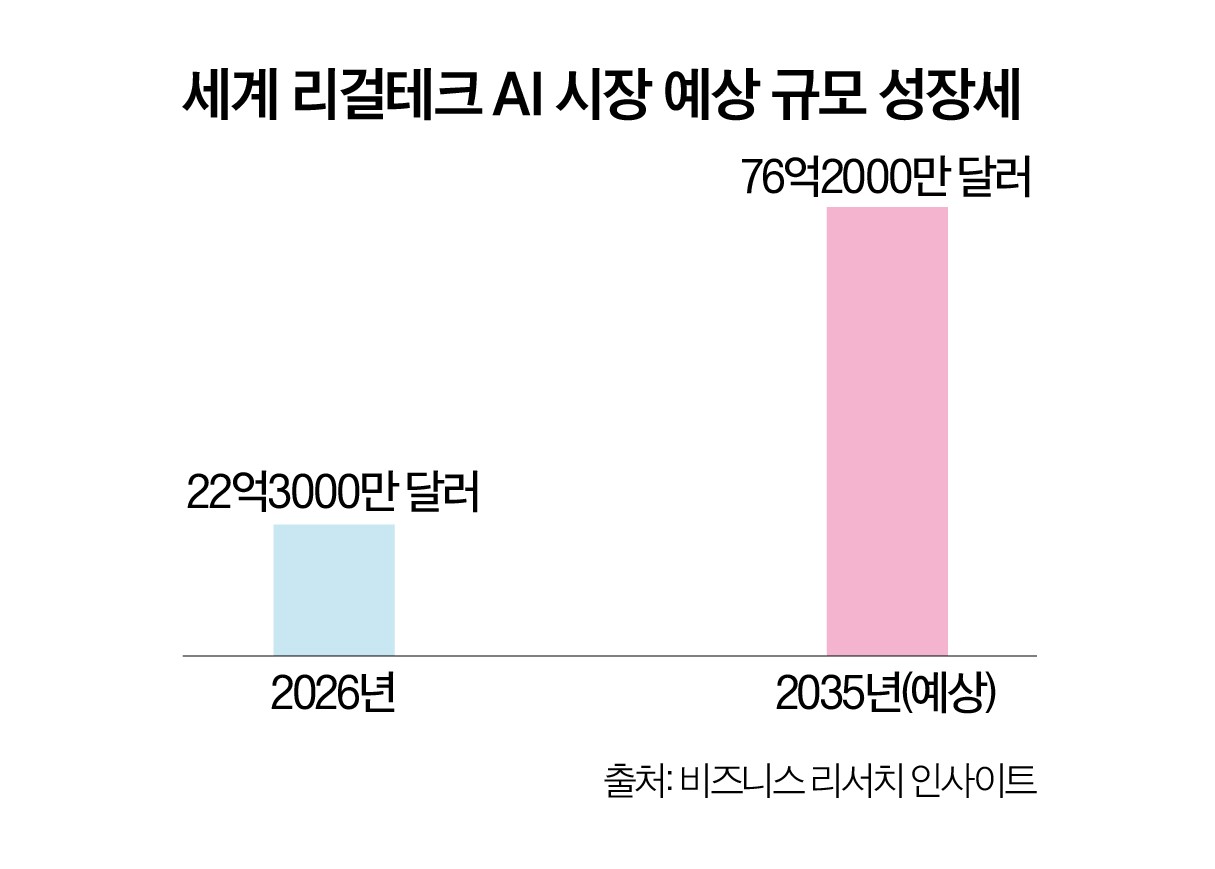
Global LegalTech Market Projected at 200 Trillion Won
According to a ZDNet Korea report (February 2026), the global LegalTech market is expected to grow to 200 trillion KRW. In Korea, 'Ai-Yul,' a closed-loop legal AI co-developed by BHSN and Yulchon, has entered practical application, with various services such as automated contract review becoming commercialized.
💼 Marketing Strategies for Solo Practitioners
Strategy 1: Naver Blog Top Exposure — The Power of Keywords
What it is: A strategy to drive organic traffic by creating content centered on legal keywords clients actually search for (e.g., "divorce alimony procedures," "unpaid wage response").
Why it works: Most potential clients with legal problems start their search on Naver. When high-trust blog content appears at the top of results, consultation inquiry rates increase significantly.
How to start: Select 5–10 keywords that clients search for in your primary practice areas (e.g., criminal, family, labor) and consistently post 1–2 practical articles per week covering those topics.
Strategy 2: Compliance Branding — Ad Regulation Adherence is the Foundation of Trust
What it is: Building a brand while strictly adhering to attorney advertising regulations (Attorneys-at-Law Act and KBA regulations). Terms like "exclusive law firm" or "former judge/prosecutor" can lead to disciplinary action.
Why it works: Disciplinary action for rule violations destroys credibility instantly. Conversely, clearly communicating expertise within the bounds of compliance builds long-term, trust-based client relationships.
How to start: Audit marketing copy across all channels (blog, SNS, website) for compliance, and focus on showcasing your expertise through actual settled cases (with anonymized personal information).
Strategy 3: Short-Form Content (YouTube Shorts/Instagram Reels) — A Blue Ocean in Law
What it is: Producing short, 1–2 minute videos that answer frequently asked legal questions.
Why it works: Short-form content is becoming a proven success for other professionals like tax accountants, and it remains a "blue ocean" in the legal field with few competitors. Video exposure helps build both familiarity and trust simultaneously.
How to start: Use your smartphone to film practical topics like "3 points you must check in a contract," and upload them simultaneously to YouTube Shorts, Instagram, and Naver Clips.
🤖 LegalTech & AI Tools
1. Lawform — AI Automation from Drafting to Clause Review
The domestic platform Lawform Business offers services that automate the entire contract lifecycle, including automated drafting, clause review, electronic signatures, tracking, and legal validity verification. They recommend a three-stage adoption strategy: Pilot → Enterprise-wide expansion → Security/Ethics enhancement.
Practical Tip: Start by applying AI drafting to frequently used contracts (service agreements, real estate contracts, etc.) to reduce drafting time and focus your efforts on core legal analysis.
2. Generative AI (e.g., Harvey) — Spreading Beyond Big Law
Following Shin & Kim's adoption of Harvey AI, competition in automating legal advice using generative AI is heating up across the domestic LegalTech ecosystem. Solo practitioners can immediately use general-purpose AI like ChatGPT or Claude for drafting legal documents, summarizing precedents, and organizing consultation notes.
Practical Tip: After client consultations, input key issues into generative AI to quickly generate summaries of relevant laws and precedents. Always ensure that AI results are reviewed by a human expert.
🎯 This Week's Execution Checklist
- Write a Naver Blog Post: Post one practical, explanatory article using keywords frequently searched by clients in your main field.
- Review Marketing Copy: Check all channels (blog, SNS, website) for prohibited terms like "exclusive" or "former judge/prosecutor" and update accordingly.
- Film 1 Short-Form Video: Shoot a smartphone video on the topic "3 Key Points You Must Know About [Topic]" and upload to Shorts or Reels.
- Experience LegalTech: Apply for a free trial of an AI contract review service like Lawform (lawform.io) to explore its application to your recurring work.
- Competitor Analysis: Research 3–5 competitor blogs in your region/field to identify top-performing keywords and content types.
This briefing is based on information from professional legal media, including Law Times, Legal Times, and the Korean Bar Association.
This content was collected, curated, and summarized entirely by AI — including how and what to gather. It may contain inaccuracies. Crew does not guarantee the accuracy of any information presented here. Always verify facts on your own before acting on them. Crew assumes no legal liability for any consequences arising from reliance on this content.
Powered by
