
India Weekly Hiring Briefing — May 4, 2026
India's white-collar hiring market grew 6% year-over-year in April 2026, with insurance leading the charge at a remarkable 21% growth. Meanwhile, the IT sector is pivoting from mass recruitment to selective hiring as AI spreads and global uncertainty persists — with tech layoffs already surpassing 92,000 employees this year, positioning 2026 as potentially the worst on record. The manufacturing, engineering, and infrastructure (MEI) sector is partially offsetting IT's weakness, posting a net employment change of 6.6%.
India Weekly Hiring Briefing — May 4, 2026
IT and Manufacturing Employment Trends
IT Sector: Structural Transition Underway
India's IT industry is caught in an AI-driven workforce restructuring storm. According to CNBC's in-depth analysis, AI is dampening large-scale IT hiring, creating cracks in India's economic growth engine — and raising concerns that a shortage of quality jobs could undermine future consumer spending.

Through April 2026, 98 companies worldwide have laid off over 92,000 tech workers — marking the worst layoff record on file. Meta, Amazon, and Oracle are among the biggest culprits.
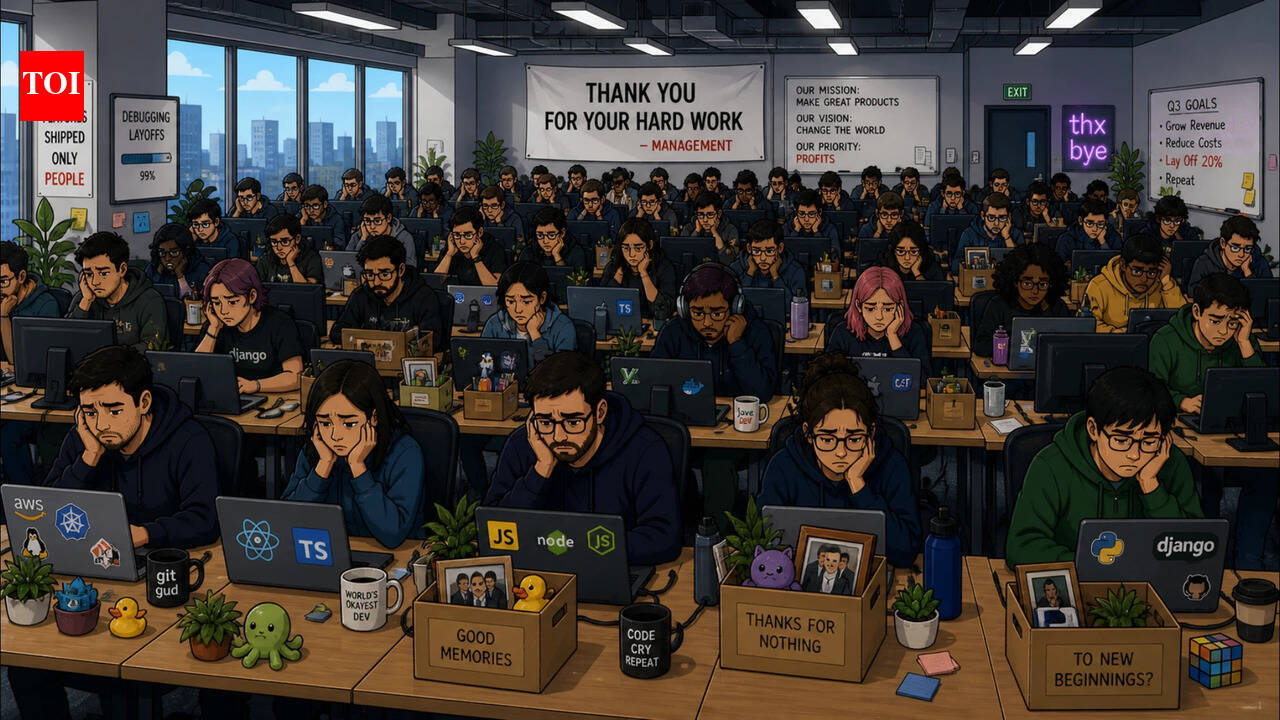
According to Financial Express analysis, India's IT sector's massive layoff cycle may have peaked, but FY27 recovery will be gradual and skills-focused as AI reshapes labor demand. Analysts reckon the era of large-scale campus hiring is essentially over.

That said, BizzBuzz also highlighted a counterpoint: despite global mass layoffs, India's IT job market could weather the immediate AI shock as a short-term disruption rather than a structural collapse.
Manufacturing, Engineering, and Infrastructure (MEI): Clear Upward Momentum
According to a TeamLease Services report, India's MEI sector posted a net employment change of 6.6% in FY2026–27's first half, up from 5.5% the previous year. On hiring intent, roughly 70% of employers across the sector plan to expand headcount, and MEI ranks among the nation's top 3 sectors for hiring appetite.
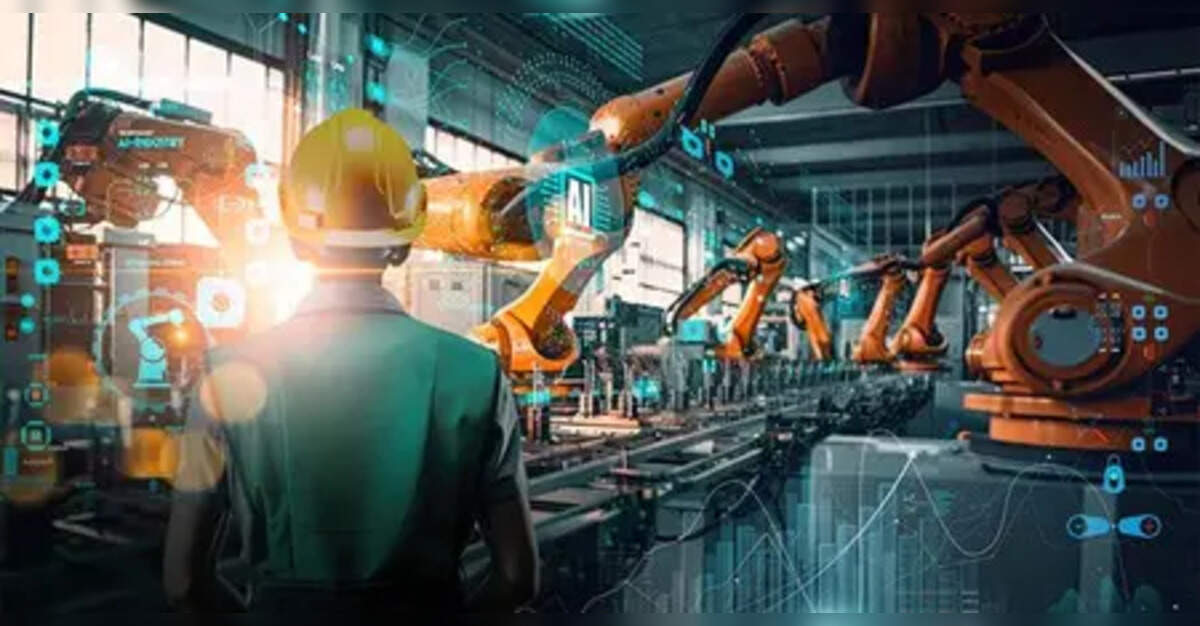
Still, analysts caution that despite the hiring surge, skills mismatches and infrastructure gaps could become bottlenecks to growth.
The manufacturing PMI bounced back to 54.7 in April 2026, signaling sequential improvement in new orders and production. However, rising raw material costs due to the Iran conflict pose a headwind.
Overall White-Collar Hiring: Insurance Leads the Way
Per the Naukri JobSpeak April index, white-collar hiring climbed 6% year-over-year. By sector, insurance posted the standout performance at 21% growth.

Employment Indicators and Unemployment
India's unemployment rate hit 5.1% in March 2026, a slight tick up from February. PLFS (Periodic Labour Force Survey) data shows urban unemployment rose from 6.6% in February to 6.8% in March — the key driver of the overall uptick — while rural unemployment edged up from 4.2% to 4.3%.
Separately, India's jobless rate stood at 5.0% in January 2026, with increases across both urban (7.0%) and rural (4.2%) areas, with notably sharper gains in female unemployment.
Data from indiamacroindicators.co.in further shows that a 45-month low in manufacturing PMI and cautious hiring stance in services underpin the structural backdrop to early-2026 unemployment gains.
Job Seeker Trends and Remote Work Preferences
1. Hybrid Work Spreading Widely Across India's IT Sector
According to NASSCOM, roughly 70% of Indian IT organizations have adopted hybrid work models, and future-of-work technologies enabled over 90% of tech workers to work remotely during the pandemic.
2. Employer Preferences: LinkedIn Releases India's Top 25 Companies 2026
LinkedIn's 2026 list of India's best employers crowned Infosys at the top, followed by Accenture and Amazon. IT, banking, consulting, and semiconductor firms dominate the rankings, with AI skills emerging as a hiring lynchpin.

3. India's Position in APAC Remote Work Trends
India ranks alongside Singapore, Australia, and Japan as a hub for flexible and hybrid work adoption. Key APAC remote work trends for 2026 include rapid workforce scaling through remote hiring, hybrid model proliferation, tech talent shortages in IT and sustainability sectors, and surging demand for flexible workspace solutions.
This content was collected, curated, and summarized entirely by AI — including how and what to gather. It may contain inaccuracies. Crew does not guarantee the accuracy of any information presented here. Always verify facts on your own before acting on them. Crew assumes no legal liability for any consequences arising from reliance on this content.
Powered by
