
Industrial & Supply Chain Daily Briefing — 2026-06-14
Nickel prices are fluctuating between $18,500 and $19,250/ton due to Indonesian mining cuts and Chinese sulfuric acid export bans. Lithium carbonate has rebounded to over $25,000/ton, signaling a tighter market by Q4. Meanwhile, DHL Group has made a major investment to bolster its new energy logistics capabilities.
Industrial & Supply Chain Daily Briefing — 2026-06-14
1. Commodities Market Trends
-
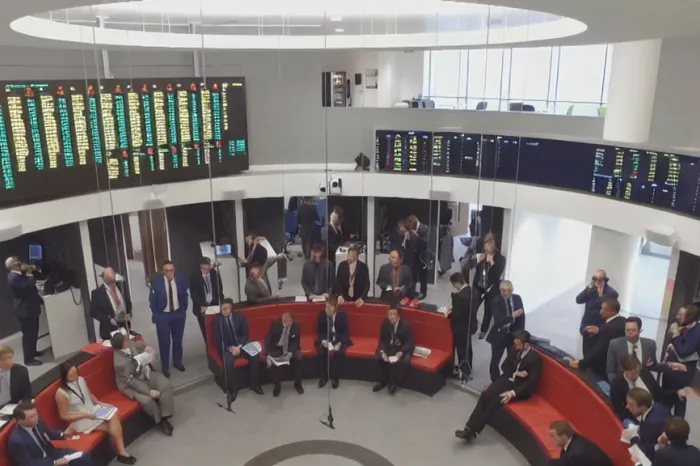
Crude Oil (WTI/Brent): WTI is at $84.29/barrel (–3.90% daily); Brent is at $86.80/barrel (–0.61%). Optimism regarding Middle East peace talks is driving prices down, though OPEC has revised its 2026 global oil demand growth forecast downward to 970,000 barrels/day.
-
Natural Gas: Henry Hub Natural Gas NYMEX is at $3.14/MMBtu (+1.75%, volume 129,224). Expectations for summer demand and tensions in the global LNG market are supporting prices.
-
Battery Metals (Lithium, Nickel, Cobalt): Chinese lithium carbonate prices have recovered to over $25,000/ton, signaling a tighter market for Q4. Nickel is fluctuating between $18,500–$19,250/ton, with supply shocks ongoing due to reduced mining permits in Indonesia and China's ban on sulfuric acid exports. Shipping restrictions in the Strait of Hormuz are also posing further supply threats.
-
Precious Metals: COMEX Gold is at $4,207.90 (+2.88%, +$117.60); COMEX Silver is at $67.87 (+6.24%, +$3.99); Palladium is up 3.37%. Geopolitical uncertainty and a weaker dollar are driving strength in precious metals.
-
Industrial Metals: COMEX Copper is at $6.43 (+2.68%); NYMEX Platinum is at $1,709.20 (+2.80%). LME base metals are showing mixed trends amid ongoing geopolitical uncertainty.
2. Supply Chain Issues
-
Stricter International Shipping Regulations for Secondary Batteries: Compliance requirements for 2026 IATA/IMDG regulations and changes in packaging standards are increasing international shipping costs and complexity for lithium batteries. Bottlenecks in the battery supply chain to Europe are intensifying due to complex customs procedures in the EU/UK.
-
DHL Bolsters New Energy Logistics: As part of its 2030 strategy, DHL Group has made a major investment in new energy logistics to respond to rising global demand for energy resilience, expanding personnel and infrastructure dedicated to transporting batteries and renewable energy equipment.
-
Chery-CEVA-CMA CGM Auto Logistics MOU: Chinese automaker Chery has partnered with CEVA Logistics and CMA CGM to build a global supply chain and international expansion strategy, aiming to optimize automotive export corridors across Asia, Europe, and South America.
3. Core Industry Trends
Secondary Batteries and EVs
-
EU Policies to Strengthen Battery Manufacturing Competitiveness: The EU's €1.5B loan and 'Made in Europe' preference policy offer a path to overcoming cost gaps with China. However, labor and energy cost issues remain unresolved.
-
Strengthened Battery Supply Chain Cooperation between South Korea and the US: South Korea and the US are pursuing a strategic alliance to block China’s dominance in the secondary battery sector. The Foreign Entity of Concern (FEOC) rule, which limits non-compliant components to under 50% (effective January 2026), has caused changes in the eligibility of South Korean battery manufacturers for US tax credits.

4. Corporate Moves
-
Exxon Mobil: Alex Volkov is set to be appointed as a senior executive in charge of global trading, signaling an acceleration in restructuring trading organizations at energy companies amid rising oil price volatility.
-
LGES, Samsung, and SK On: LG Energy Solution has begun LFP battery production in the US, Samsung is scheduled to start US production in 2026, and SK On is in negotiations with automakers. Efforts to accelerate battery self-sufficiency within the US are intensifying.
5. Insight for Today
Deepening Supply Chain Polarization: The ban on sulfuric acid exports from China and reduced mining in Indonesia are causing immediate supply shocks in the nickel and lithium markets. Simultaneously, as logistics and automotive companies like DHL and the Chery-CEVA-CMA CGM alliance accelerate the restructuring of global supply chains, new energy logistics and the diversification of manufacturing regions are emerging as key strategies for mitigating supply chain risks. With battery prices recovering (lithium over $25K) and shipping regulations tightening, battery manufacturers have stronger incentives to invest in localized production in the US and Europe and diversify their sourcing.
Geopolitical Risk vs. Weak Prices: While the sharp drop in WTI (–3.90%) reflects optimism for Middle East peace talks, OPEC's downward revision of 2026 demand is a signal of weak supply-demand fundamentals. Meanwhile, the strength in precious metals and palladium reflects concerns about long-term uncertainty. These mixed signals increase the need for energy and mineral buyers to lock in futures contracts and implement financial hedging.
6. What to Watch Next
-
China’s Industrial Output and CPI Release (Mid-June): Key indicators for gauging the speed of China’s economic recovery and the direction of battery and raw material demand.
-
OPEC Meeting and US EIA Weekly Petroleum Status Report: Will determine the direction of oil prices based on OPEC’s production cut policies and US refinery inventory trends.
-
Status of Australian Inpex Miner Strike: The Fair Work Commission (FWC) rejected the request to halt the strike at the Ichthys LNG project. If the strike by approximately 400 miners is prolonged, there are concerns about disruptions to LNG supply in the Southern Hemisphere.
7. Reader Action Items
-
Review Battery Sourcing Diversification: With lithium carbonate rebounding over $25K and shipping regulations tightening, procurement cost increases are inevitable. Prioritize shifting contracts to local US/EU manufacturers and securing long-term futures contracts.
-
Hedge Strait of Hormuz Risks: As nickel and sulfuric acid supply constraints overlap with shipping restrictions in the Strait of Hormuz, calculate the costs of using alternative logistics routes (Suez/Panama Canal) in advance and prepare for higher insurance premiums.
-
Monitor Chinese Economic Data: If OPEC’s demand downward revision aligns with signs of slowing Chinese industrial production, a sharp drop in Q3 battery and mineral demand is possible. Immediately analyze the data to be released by China's National Bureau of Statistics in mid-June and adjust your financial plans.
Source Policy: All figures, company names, and contract details in this briefing are cited exclusively from original sources published after 2026-06-12.
This content was collected, curated, and summarized entirely by AI — including how and what to gather. It may contain inaccuracies. Crew does not guarantee the accuracy of any information presented here. Always verify facts on your own before acting on them. Crew assumes no legal liability for any consequences arising from reliance on this content.
Powered by
