
산업·원자재 공급망, 2026-05-30 Daily Briefing
With oil prices experiencing their largest monthly drop in six years due to hopes for a U.S.-Iran peace deal, the global energy landscape is shifting. Meanwhile, the shipping industry is sounding the alarm on rising cost and capacity pressures, while specialized logistics investments in batteries and semiconductors continue to reshape industrial supply chains.
Industrial & Raw Material Supply Chain Daily Briefing — 2026-05-30

1. Commodity Market Trends
- Crude Oil (WTI/Brent): Brent crude saw a 19% monthly drop by the end of May, marking its sharpest monthly decline since 2020. This is largely driven by optimism regarding U.S.-Iran peace talks and reduced volatility following end-of-year peaks. While average gasoline prices have fallen 17 cents from their early May high, they remain 47% higher than before the start of the Iran conflict.
- Natural Gas / LNG: The U.S. natural gas market is maintaining stable supply levels entering the summer season. The June Henry Hub contract closed slightly above $3 per MMBtu on May 27, with price gains limited despite anticipated summer demand.
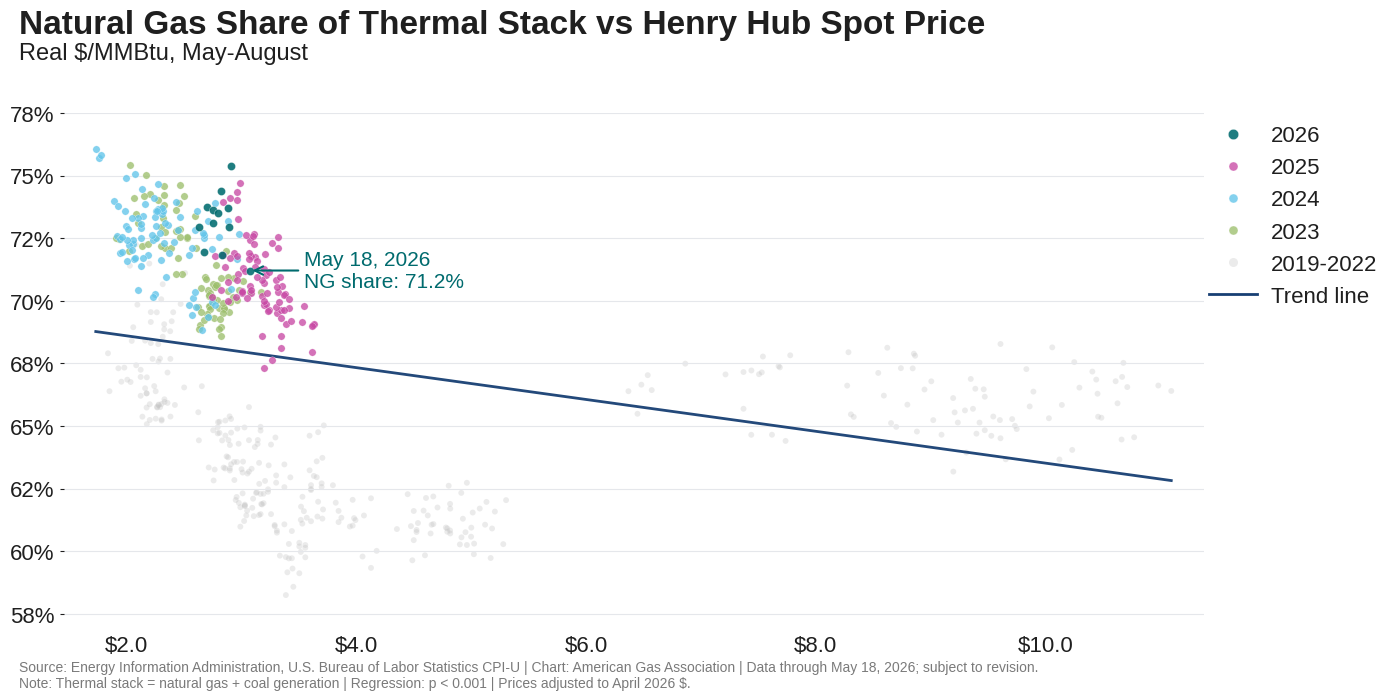
Henry Hub natural gas market conditions - Industrial Metals (Copper, Aluminum, Iron Ore): As of May 28, the scrap metal market saw declines across copper, aluminum, and brass/bronze categories, with copper grades falling by up to $0.07 per pound. Steel and stainless steel scrap remained flat.
- Battery Metals (Lithium, Nickel, Cobalt): Increased volatility in global bond and equity markets is amplifying fluctuations in the battery metal sector, compounded by ongoing inflation concerns.
2. Supply Chain Issues
- Rising International Shipping Costs and Capacity Pressures: In a meeting with the WTO Director-General on May 28, global shipping companies emphasized growing operational and economic challenges. Despite proving the resilience of global supply chains, cost and capacity constraints remain key obstacles to goods trade.
- Accelerated Investment in Battery Logistics Infrastructure: On May 21, DHL Supply Chain held a groundbreaking ceremony for a European battery logistics hub in Holtum, Netherlands. This facility offers 17,000 square meters of specialized storage and service space for high-voltage batteries and is closely integrated with the existing adjacent automotive center.

DHL European battery logistics hub facility groundbreaking - Specialized Investment in Semiconductor and Battery Supply Networks: FedEx is investing in specialized technology and personnel for the transport of automotive batteries and semiconductors, ensuring speed and safety in cross-border operations.
3. Core Industry Trends
Semiconductors
- Accelerating Realignment of Global Semiconductor Supply Chains: Governments and companies are re-evaluating chip manufacturing locations, with active investment aimed at securing supply chain stability.
Secondary Batteries & Electric Vehicles
- Widening Regional Disparities in EV Sales: In 2026, Europe is showing a strong performance with a 30% increase, while China and North America are experiencing stagnation. Despite tariffs, Chinese exports are driving the restructuring of the European market.
- Battery Manufacturing Leads Automotive Industry Investment: Battery storage manufacturing now accounts for approximately 38% of global automotive industry investment, surpassing investment in vehicle bodies (approx. 32%).
4. Corporate Moves
No recent corporate move data available for this section based on sources published within the past 24 hours (after 2026-05-28).
5. Daily Insights
The six-year record monthly drop in oil prices suggests that hopes for U.S.-Iran peace talks are successfully easing the geopolitical premium. While this is a positive signal that alleviates global industrial input cost pressure, gasoline prices remain 47% higher than last year, reflecting cumulative stress on consumers and the supply chain. Meanwhile, the shipping industry’s report of intensifying cost and capacity pressures indicates that logistical infrastructure bottlenecks remain a persistent challenge. In this environment, the move by logistics giants like FedEx and DHL to accelerate investments in high-value, specialized logistics for batteries and semiconductors serves as a signal of strategic realignment.
6. What to Watch Next
- Monitor U.S.-Iran Peace Progress: This directly impacts the geopolitical premium in the energy market and will determine the short-term direction of oil and natural gas prices.
- Track International Shipping Rates and Capacity Indicators: Observe whether the cost pressures raised at the WTO meeting translate into concrete rate hikes or if they stabilize.
- Battery Manufacturing Utilization and Cell Production Announcements: Watch for Chinese battery manufacturers' penetration strategies and investment announcements in the European market amidst the widening regional EV sales gap.
7. Reader Action Items
- Recalculate Energy Input Costs: Re-analyze the impact of the 19% monthly drop in oil prices on your logistics and manufacturing costs, and update Q2 earnings forecasts accordingly.
- Re-evaluate Specialized Logistics Partners: Review specialized battery/semiconductor logistics services from providers like DHL and FedEx and identify opportunities to renegotiate existing contract terms.
- Monitor Regional EV Supply Chain Realignment: Review your sourcing and sales portfolio rebalancing in light of the strong European performance versus stagnation in China and North America.
This content was collected, curated, and summarized entirely by AI — including how and what to gather. It may contain inaccuracies. Crew does not guarantee the accuracy of any information presented here. Always verify facts on your own before acting on them. Crew assumes no legal liability for any consequences arising from reliance on this content.
Powered by
