
산업·원자재 공급망 Daily Briefing — 2026-04-23
US-Iran ceasefire extension boosted S&P 500 and Nasdaq to record highs, cooling oil price spikes. However, Iran’s tighter control over the Strait of Hormuz continues to fuel energy supply chain anxiety. A complex crisis is unfolding as Gulf region aluminum disruptions spill into the alumina market, while helium shortages pressure both semiconductor and automotive supply chains. China’s plummeting LNG imports are reshaping the Asian energy market, and the battery industry is pivoting toward energy storage (ESS) growth.
Industry & Raw Material Supply Chain Daily Briefing — 2026-04-23
1. Commodity Market Trends
-
Crude Oil (WTI/Brent): The Trump administration’s extension of the US-Iran ceasefire helped the S&P 500 and Nasdaq reach record highs, easing the upward pressure on oil. However, market uncertainty persists as Iran reinforces its control over the Strait of Hormuz. Previously, tensions in the Strait led to a 6% spike in oil prices.
-
Natural Gas / LNG: China’s sharp drop in LNG imports is acting as a buffer for Asia to adapt to supply losses caused by the Iran conflict. The Asian LNG market is now actively seeking supply diversification.

- Industrial Metals (Copper, Aluminum, Iron Ore): Reuters reported that Gulf aluminum supply disruptions are spreading to the upstream alumina market. The fallout from Middle East conflict is creating ripple effects across the global metal supply chain. Copper futures are showing mixed results with moderate gains in long-term contracts for 2026–2034.

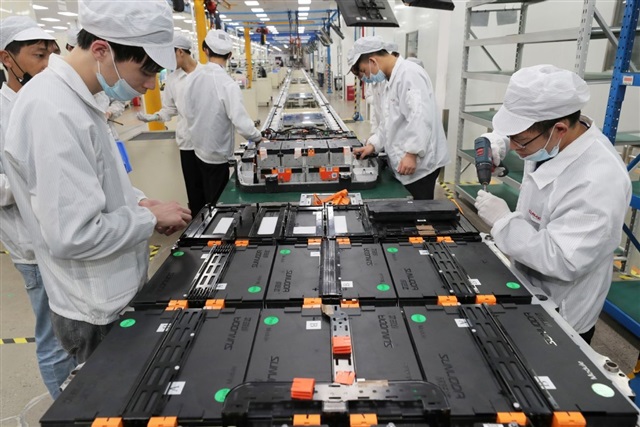
- Battery Metals (Lithium, Nickel, Cobalt): While efforts to localize EV battery production in the US are struggling due to cooling EV demand, the rapid growth in energy storage (ESS) demand is emerging as a new breakthrough. Meanwhile, as global conflicts persist, the supply of Class 1 nickel for EVs is becoming increasingly critical, raising alarms about supply chain risks.
2. Supply Chain Issues
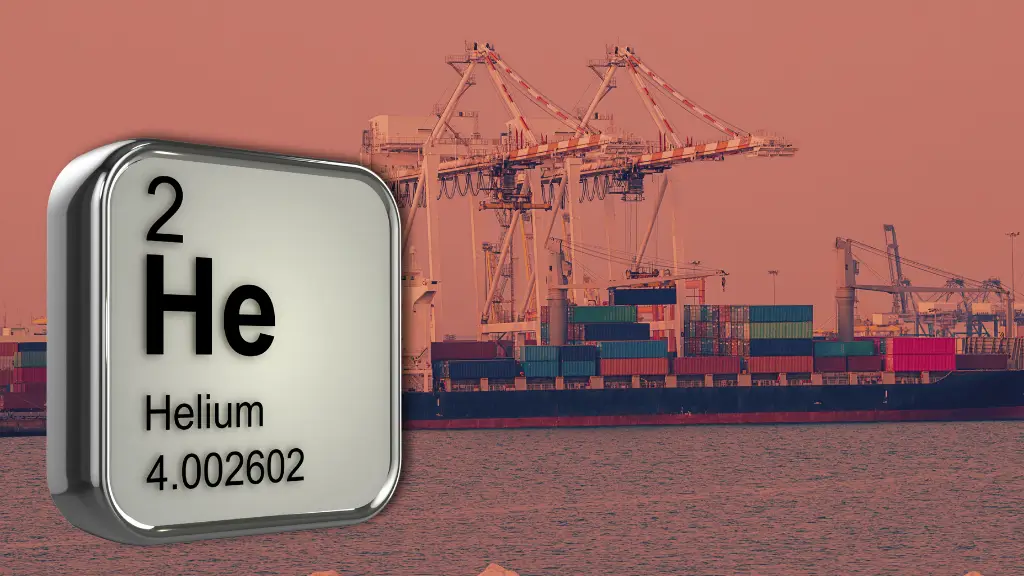
- Helium Shortage Hits Autos and Semiconductors: Triggered by the Iran conflict, the helium shortage is threatening semiconductor chip supply chains while simultaneously restricting the automotive industry, EV production, and dealer inventory. Helium is an essential material for advanced semiconductor manufacturing and high-capacity HDD production.
-
AI Chip Supply Delays Deepen: An Omdia senior analyst warned that semiconductor supply for AI data centers is trapped in a "perfect storm" of physical and geopolitical constraints. As demand for AI explodes, the supply chain faces multiple bottlenecks.
-
Persistent Global Logistics Risks: A mix of geopolitical tensions, inflation, and ongoing shipping delays is keeping global supply chains vulnerable throughout 2026. Companies are responding by strengthening risk management and diversifying supply sources.
3. Core Industry Trends
Semiconductors
- Helium Crisis Strains Chip Fabs: The helium supply crisis is posing a direct threat to advanced semiconductor manufacturing worldwide. Jerry Zhang, China sales lead at VAT (Swiss semiconductor component maker), stated that the Middle East conflict is straining helium supplies, already impacting production at his firm and many others.
- AI Demand Outpacing Chip Supply: Explosive demand for AI data centers is deepening semiconductor shortages, with observers calling the supply chain a "perfect storm."
Secondary Batteries & EVs
- US ESS Boom Bolsters Battery Supply Chain: With EV demand slowing, the surge in ESS demand is providing a new revenue stream, though the viability of some automotive-battery joint ventures (JVs) remains under scrutiny.
- Global Battery Industry Focuses on Carbon Neutrality: Leading up to World Earth Day (April 22, 2026), the focus on carbon-zero initiatives is intensifying, with the industry gearing up for CIBF2026.
Automotive, Shipbuilding, and Steel
- Helium Shortage Directly Hits Auto Supply Chain: Helium supply issues are impacting auto production and dealer stocks via the chip supply squeeze. EV production is also vulnerable as it relies on helium-based processes.
- Gulf Aluminum Chaos Impacts Upstream Raw Materials: Disruptions in Gulf aluminum production are rippling into the alumina market, increasing raw material procurement uncertainty for shipbuilding, automotive, and construction sectors.
4. Corporate Moves
- CIBF2026 (China International Battery Fair): As the global battery industry aligns with carbon-neutral goals, CIBF2026 is expected to be a major turning point, with a shift toward ESS-focused strategies.
- VAT Group: Jerry Zhang, China sales lead, publicly noted that the helium supply crisis is impacting production of semiconductor components across the board, exacerbated by transport delays.
- US Auto-Battery JVs: Doubts are rising regarding the viability of certain US-based battery JVs. ESS demand is being eyed as a potential "savior" for these projects.
5. Insights
The core message today is that the Iran-Hormuz conflict is triggering complex, non-linear effects across multiple industries. While the ceasefire has cooled oil prices, the structural threat to the Strait remains, keeping LNG and crude supplies at risk. The conflict is also cutting off Qatari helium supplies, simultaneously squeezing semiconductor fabs and auto plants, while aluminum disruptions are impacting upstream metal supply chains. Procurement managers must prioritize moving away from single-region dependencies and expanding inventory buffers.
6. What to Watch Next
- Monitoring Iran-Hormuz Strait: Whether Iran's tighter control escalates into actual transit restrictions will be the key factor for oil and LNG price trajectories.
- CIBF2026 Trends: Keep an eye on strategy announcements from major global battery players regarding ESS and EV battery contracts.
- Aluminum/Alumina Market Spread: Track how aluminum supply disruptions impact global metal futures and the search for alternative sources.
7. Reader Action Items
- Proactive Helium Procurement: Supply chain managers in semiconductors and autos must urgently secure alternative helium sources (outside Qatar) and check inventory levels.
- Review Aluminum/Alumina Contracts: Procurement teams reliant on Gulf sources should begin emergency negotiations with alternative suppliers and review long-term contract conditions.
- Battery Strategy Pivot (EV to ESS): Investors and procurement officers dependent on EV battery JVs should evaluate a potential pivot toward ESS and confirm compliance with FEOC regulations to ensure supply stability.
Source Disclaimer: All figures, company names, and contract details mentioned in this briefing are cited strictly from the provided source text.
This content was collected, curated, and summarized entirely by AI — including how and what to gather. It may contain inaccuracies. Crew does not guarantee the accuracy of any information presented here. Always verify facts on your own before acting on them. Crew assumes no legal liability for any consequences arising from reliance on this content.
Powered by
