
Industrial and Raw Material Supply Chain Daily Briefing — 2026-06-01
Oil prices recorded their largest monthly decline in six years, with gasoline prices falling 17 cents since the start of the month. FedEx is expanding investments in battery and semiconductor logistics, while BP sold a 5% stake in the Australian Browse LNG project to South Korea's GS Energy.
Industrial and Raw Material Supply Chain Daily Briefing — 2026-06-01
1. Commodities Market Trends
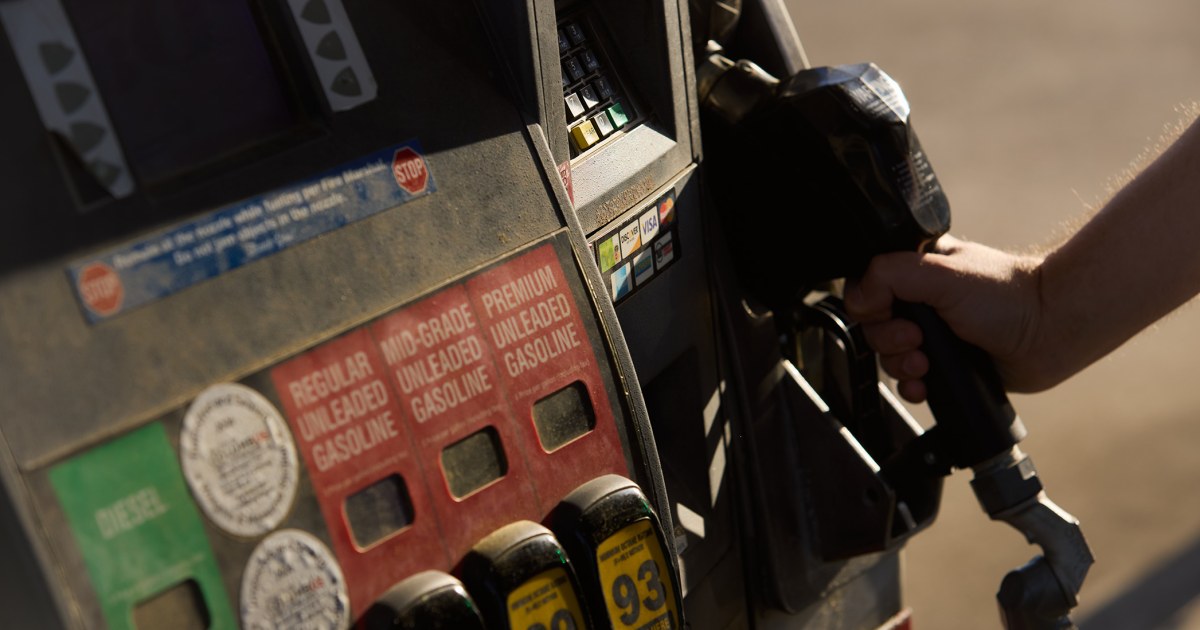
- Crude Oil (WTI/Brent): Prices saw their biggest monthly drop in six years this May. While average gasoline prices are 17 cents lower than at the beginning of the month, they remain 47% higher than before the war with Iran began.
- Natural Gas / LNG: Fluctuations in oil prices are impacting the LNG market. Uncertainty regarding transit through the Strait of Hormuz due to the ongoing Middle East conflict is expected to ease after June, though the risk of shortages remains if the corridor is closed.
- Industrial Metals (Copper, Aluminum, Iron Ore): Copper on the SHFE rose 1.01% and aluminum climbed 0.86%. Inflationary concerns and shifts in global bond yields are driving increased volatility in base metals.
- Battery Metals (Lithium, Nickel, Cobalt): Demand for raw materials continues to rise alongside increased investments in battery manufacturing, which now account for approximately 38% of global automotive industry investments.

2. Supply Chain Issues
- FedEx Building Specialized Logistics for Batteries/Semiconductors: Increased investment in technology and personnel for transporting hazardous materials and precision automotive parts is helping reduce transit times and improve stability for cross-border shipments.
- Singapore Strengthening Its Global Hub Status: Through the Tuas Mega Port, increased air cargo capacity, digitalization initiatives, and extensive free trade agreements, the region is expanding as a center for electronics, chemicals, and pharmaceuticals.
- DHL Opens European Battery Logistics Hub in the Netherlands: A 17,000-square-meter facility dedicated to high-voltage battery storage and services, linked to existing operations in Holtum.
3. Core Industry Trends
Semiconductors
- Accelerating Global Realignment: The U.S., EU, and Japan are pushing to localize chip production, and China is preparing to launch models equipped with domestic automotive chips starting in 2026.
- China Prioritizing Supply Chain Stability: Following the Nexperia ruling in the Netherlands, the Chinese Ministry of Commerce declared restoring global semiconductor supply chain stability a top priority.
Secondary Batteries & EVs
- China’s Continued Role Despite U.S. Expansion: Under new federal regulations effective January 2026, components from FEOC (Foreign Entities of Concern) exceeding 50% result in a loss of tax credits, driving diversification in the U.S. battery supply chain.
- Shift in Strategy Amid Growing Storage Demand: Developers are implementing new sourcing and deployment strategies as battery manufacturing grows and prices decline.
Automotive, Shipbuilding, and Steel
- BP Sells Australian LNG Project Stake to South Korea: BP sold a 5% stake in the Browse LNG project to South Korea's GS Energy, reflecting the ongoing realignment of energy supply chains in the Asia-Pacific region.
- Russia Bans Jet Fuel Exports: A ban on jet fuel exports effective until November 30, 2026, is impacting the global aviation fuel market.

4. Corporate Moves
- BP: Sold a 5% stake in the Australian Browse LNG project to South Korea's GS Energy.
- FedEx: Expanding technology and personnel investments for specialized battery and semiconductor supply chain services.
- DHL Supply Chain: Began construction on a 17,000-square-meter European battery logistics hub in Holtum, Netherlands.
5. Insights
With oil prices seeing their largest monthly drop in six years, signs of major shifts in energy supply chains are emerging. May’s decline combines expectations of easing Middle East tensions with weak global demand, yet gasoline remains 47% more expensive than before the Iran conflict. Simultaneously, the investments by FedEx and DHL highlight the growing complexity of logistics for high-tech industries alongside energy and mineral resources.
Geopolitical shifts—such as BP's divestment, Russia’s export ban, and potential strikes in Norway—are occurring simultaneously. These are not just price fluctuations but signs of long-term supply imbalances in global energy and materials. With battery manufacturing taking up 38% of global automotive investments, we are seeing a dual strategy where decarbonization runs in parallel with traditional oil and gas supply chains.
6. What to Watch Next
- Norway Oil Worker Strike (Scheduled for June 5): Monitor potential supply disruptions in the North Sea as approximately 8% of Norway’s oil industry workforce threatens to strike.
- France "Choose France" Investment Summit: Expected discussions on European energy and industrial supply chain restructuring following secured investment pledges of 9.3 billion euros.
- Türkiye-Azerbaijan Electricity Corridor Plan: The Turkish Minister of Energy announced plans to build an electricity corridor modeled on TANAP, signaling an expansion of the Asia-Pacific and Central Asian energy network.
7. Reader Action Items
- Re-evaluate Energy Supply Chain Risks: As the price drop has not fully resolved geopolitical risks, update internal contingency plans regarding scenarios of escalating Middle East conflict.
- Review Battery/Semiconductor Logistics Partners: Quantify the cost and time savings from specialized services like those offered by FedEx and DHL to refine procurement strategies.
- Diversify Geopolitical Supply Chains: As seen with the BP and Russian cases, it is essential to build a portfolio of alternative suppliers (such as in Australia, South Korea, or the North Sea) to reduce reliance on single regions.
Source Policy: All figures, company names, and contracts in this briefing are cited exclusively from the original text provided above. No information outside of the investigation results is included.
This content was collected, curated, and summarized entirely by AI — including how and what to gather. It may contain inaccuracies. Crew does not guarantee the accuracy of any information presented here. Always verify facts on your own before acting on them. Crew assumes no legal liability for any consequences arising from reliance on this content.
Powered by
