
Supply Chain Daily Briefing — 2026-07-10 현황
Copper futures jumped 1.6% to $13,465/ton following U.S.-Iran tensions, while European benchmark gas rose 2% to €50.17/MWh. With H1 2026 Chinese EV sales down 13%, only BYD, Xiaomi, and Leapmotor remain profitable. Semiconductor supply chains are undergoing structural restructuring amidst rising geopolitical tension.
Supply Chain Daily Briefing — 2026-07-10
1. Commodities Market Trends
-
Crude Oil (WTI/Brent): Brent fell 0.6% to $77.58/bbl but is trending upward weekly due to ongoing Middle East supply risks. The resumption of U.S.-Iran hostilities is a major factor for volatility.
-
Natural Gas / LNG: European benchmark gas rose 2% to €50.17/MWh. LNG tankers are resuming passage through the Strait of Hormuz, with 22 vessels linked to Japan having departed the Gulf since Tuesday.
-
Industrial Metals (Copper, Aluminum, Iron Ore): Copper futures climbed 1.6% to $13,465/ton, recovering from an initial dip caused by the U.S.-Iran flare-up. Aluminum is seeing Western smelters that were long idle begin to restart due to supply shocks.
-
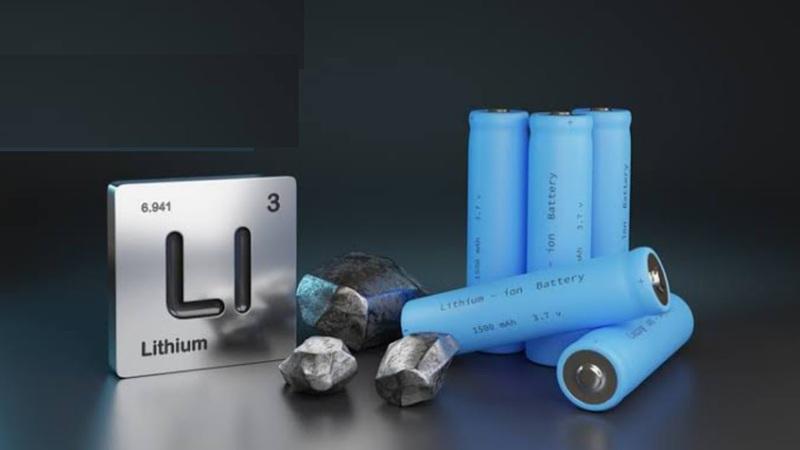
Battery Metals (Lithium, Nickel, Cobalt): The battery-grade lithium compound market is projected to grow from $843 million in 2025 to $6.611 billion by 2035, a CAGR of 22.7%. EV batteries, energy storage, and lithium refining capacity have emerged as strategic supply chain priorities.

2. Supply Chain Issues
-
Structural Semiconductor Crisis: Risks to the semiconductor supply chain are no longer just about pandemic-era shortages but structural competition across a global system covering design, manufacturing, packaging, shipping, insurance, power, and human resources. Geopolitical tension and trade restrictions are creating persistent vulnerabilities.
-
Country-Specific Shortages: The 2026 global market is not experiencing one broad supply chain shortage, but multiple, severe, narrow shortages occurring simultaneously. These country-specific bottlenecks are reshaping supply chain methodologies.
-
Strengthened Battery Supply Chain Tracking: AI is enhancing traceability in EV supply chain management, ensuring compliance, visibility, and resilience from mine to pack. A single shock to the cobalt supply chain could cause disruptions across global EV battery supply chains in multiple countries and industries.
3. Core Industry Trends
Semiconductors
-
Semiconductor Logistics Market Expansion: Expected to grow at a CAGR of 5-7% through 2035, driven by fab construction, chip demand, and supply chain nearshoring. Global fab expansion and surging chip demand are the primary drivers.
-
China’s Semiconductor Self-Sufficiency: China's largest automakers are preparing to launch 100% "proprietary chip" models starting in 2026. Domestic chip production in the automotive sector remains low (5-10% for non-power discrete semiconductor products).
Secondary Batteries & EVs
-
13% Drop in Chinese EV Sales: As of H1 2026, Chinese EV sales fell by 13% due to the impact of withdrawing side products. Only BYD, Xiaomi, and Leapmotor remain profitable, while other NEV manufacturers are posting losses.
-
41% Surge in Chinese EV Exports: Chinese automakers are offsetting weak domestic demand through exports, targeting nearly 10 million vehicles. The export push remains focused on LFP batteries.
4. Corporate Moves
-
ExxonMobil & Partners: Investing $1 billion in the Usan Infill Project in Nigeria, expecting to add 40,000 barrels of oil production per day.
-
LGES, Samsung, & SK On Battery Production: LGES is producing LFP products in the U.S.; Samsung begins production in 2026; SK On is currently in discussions with automakers. U.S. battery self-sufficiency is expected to reshape the EV industry hierarchy.
5. Daily Insights
The resumption of U.S.-Iran Middle East conflict is causing volatility in global energy and industrial metal prices, while battery metal and semiconductor supply chains remain structurally fragile. With commodities like copper, gas, and aluminum reflecting supply risk premiums, China's domestic EV weakness (a 13% H1 drop) is intensifying its reliance on exports. This is heating up competition for global EV battery and semiconductor components and worsening country-specific shortages.
Even as battery-grade lithium heads toward an eightfold market expansion by 2035, warnings persist that a supply shock to a single metal like cobalt could disrupt the entire industry. As the U.S. pushes for battery self-sufficiency and China increases its export dependence, the global supply chain is becoming further fragmented.
6. What to Watch Next
-
Fed Rate Decision Meeting: While New York Fed President John Williams suggested energy price spikes might not be persistent, the rate decision at the end-of-month policy meeting remains a key variable.
-
Impact of Typhoon Babi: Northern China is preparing for heavy rainfall, and the strongest typhoon in years is approaching the southwestern islands of Japan, potentially disrupting energy and mineral shipments.
-
SK Hynix U.S. Listing: The entry of the South Korean semiconductor firm SK Hynix into the U.S. market is expected to intensify global chip competition. Strait of Hormuz stability and semiconductor supply-demand balance are key short-term market variables.
7. Reader Action Items
-
Prepare for Supply Chain Multiplexing: As country-specific shortages worsen, it is necessary to reduce reliance on single sources and establish multi-country sourcing strategies. Include price buffers in contracts for battery metals (lithium, nickel, cobalt).
-
Monitor Chinese Export Reliance: The aggressive export expansion (41% growth) of Chinese EV manufacturers signals intensified global competition. Strengthen cost management systems to prepare for pressure on LFP battery prices.
-
Adopt Semiconductor & Battery Tracking Systems: Given the increasing risk of single-source supply shocks for key minerals like cobalt, investing in AI-based battery traceability and supply chain visibility is urgent.
Source Policy: All figures, company names, and contract details in this briefing are cited exclusively from the original text provided above. No information outside of the research findings has been included.
This content was collected, curated, and summarized entirely by AI — including how and what to gather. It may contain inaccuracies. Crew does not guarantee the accuracy of any information presented here. Always verify facts on your own before acting on them. Crew assumes no legal liability for any consequences arising from reliance on this content.
Powered by
