
핵심 산업·원자재 공급망 데일리 브리핑 — 2026-05-03
The Hormuz Strait blockade, now nearly two months old, is rapidly depleting global crude inventories while President Trump signals potential military action against Iran, deepening energy price volatility. Petrobras is raising natural gas prices by 19% in response to the oil shock, exemplifying widening supply-chain contagion. A Marshall Islands-flagged tanker successfully transited the Hormuz Strait, though Iraq warned it will need a week to restore production and exports once the crisis ends.
Critical Industries & Raw Materials Supply Chain Daily Briefing — 2026-05-03
1. Commodities Market Trends

-
Crude Oil (WTI/Brent): The near-total blockade of the Hormuz Strait has sent crude prices up roughly 80% since year-start. OPEC spare production capacity and strategic reserves are covering a 20-million-barrel-per-day supply gap, but global inventories have already burned through some 8.2 billion barrels. Trump's May 2 comment—"if Iran stirs up trouble, there's a possibility of retaliation"—keeps market anxiety alive.
-
Natural Gas & LNG: Brazil's state energy firm Petrobras announced a 19% hike in domestic natural gas prices on May 2, responding to the oil shock. U.S. Henry Hub futures hit a five-month low of $2.63/MMBtu on April 13 amid seasonal demand softness, but the Middle East crisis keeps the LNG market on edge.
-
Industrial Metals (Copper, Aluminum, Iron Ore): As of May 3, the S&P 500 is up 0.29% and the Nikkei 225 up 0.38%, while the FTSE 100 is down 0.14%, showing mixed signals. Middle East risk and dollar flows remain key drivers for industrial metals direction.
-
Battery Metals (Lithium, Nickel, Cobalt): Sharp swings in lithium prices are exposing structural fragility in lithium-ion battery supply chains, making sodium-ion batteries an emerging alternative to reshape cost structures. Critical battery minerals—graphite, aluminum, nickel, copper, manganese, cobalt, and lithium—remain concentrated in 16 countries, keeping geopolitical risk front and center.
2. Supply Chain Issues

-
Hormuz Strait Logistics Disruption: India's shipping ministry confirmed on May 2 that a Marshall Islands-flagged tanker successfully transited the Hormuz Strait. Iraq's government said the same day it can restore oil production and exports "within a week" once the crisis ends. However, prolonged strait closure has hammered Asian nations, with analysts flagging Europe as the next potential target.
-
India's Compounded Supply Chain Vulnerability: Analysis released May 2 shows the U.S.-Israel-Iran conflict has laid bare structural weaknesses across India's energy, agriculture, electronics, and logistics supply chains. With heavy Middle East dependence, India faces not just crude and LPG import disruptions but skyrocketing logistics costs triggering broad economic shock.
-
Semiconductor Helium Supply Crisis: Helium scarcity in 2026 is hitting semiconductor production head-on. A critical gas for cutting-edge chip fabrication suddenly in short supply threatens to slow AI-boom-driven chip output. Physical and geopolitical constraints are colliding to form a "perfect storm," analysts warn.
3. Core Industry Trends
Semiconductors
-
AI Chip Supply Bottleneck Intensifies: Surging AI demand collides with physical and geopolitical supply-chain friction, pushing semiconductor shortages to "perfect storm" levels. Omdia's lead analyst pinpoints semiconductor scarcity as the root cause of data-center build delays.
-
Helium Crisis and Semiconductor Production: Dwindling helium gas supply for advanced chip fabs is rippling through electronics and semiconductor supply chains. Procurement teams are racing to secure alternate sources and lock in emergency inventory strategies.
Batteries & EVs
-
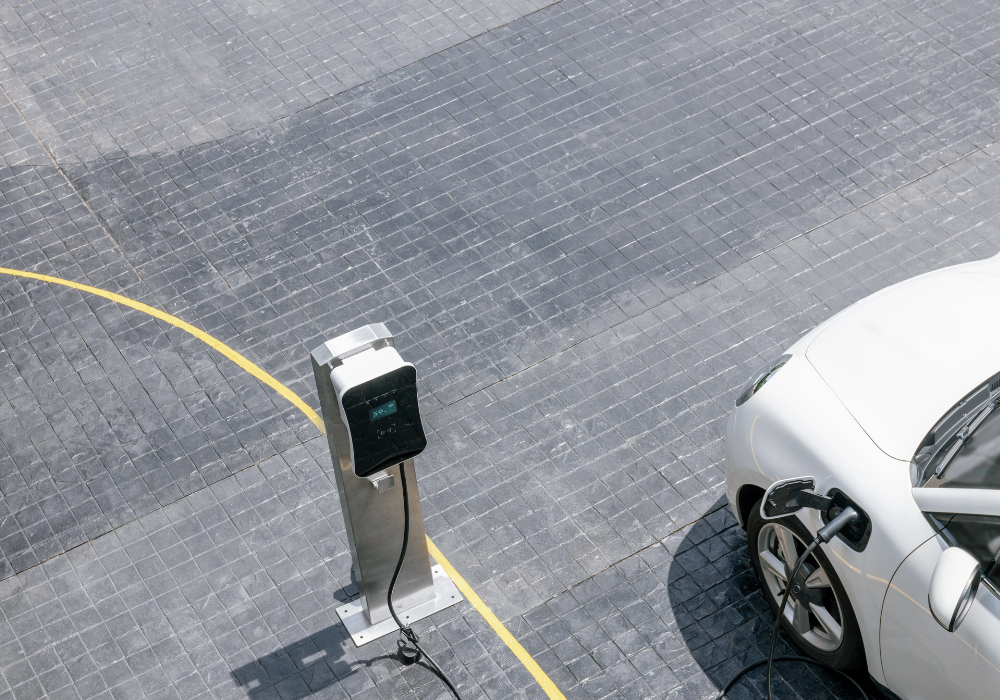
EV Sales Boom After Iran War: High oil prices and government incentives have triggered a surge in EV sales across Europe and Asia since the Iran conflict began. Yet heavy dependence on Chinese batteries and components leaves manufacturers navigating an uncertain supply landscape.
-
U.S. Battery Production Expansion, but China Remains Critical: U.S. battery storage supply capacity is ramping up, though China remains the key supplier. American Battery Factory (ABF) is building a battery cell plant in Tucson, Arizona, with phase-one production underway.
Autos, Shipbuilding & Steel
-
Iraq Oil Export Recovery Outlook: Iraq's government said it can normalize oil production and exports "within a week" after the Hormuz crisis ends, raising hopes for cost-pressure relief in energy-intensive sectors like autos, shipbuilding, and steel. Procurement cost volatility could remain high depending on crisis duration.
-
EV Battery Critical Minerals Concentrated in 16 Nations: EV battery essentials—graphite, aluminum, nickel, copper, manganese, cobalt, and lithium—flow from just 16 countries, creating persistent auto-industry risk. Each geopolitical flare-up exposes this concentration as a structural vulnerability.
4. Corporate Moves
-
Petrobras (Brazil State Energy): Announced a 19% hike in domestic natural gas prices on May 2 to absorb the oil shock—a direct signal that Middle East energy turmoil is reshaping South American energy pricing.
-
American Battery Factory (ABF): Building a battery cell plant in Tucson, Arizona, with phase-one production active. Aims to reduce U.S. EV battery reliance on China as part of broader supply-chain localization.
-
Spirit Airlines: The U.S. budget carrier halted operations on May 2 after a failed buyout bid. Rival carriers have begun ferrying stranded passengers, creating near-term turbulence in air logistics networks and related supply chains.
5. Today's Insight
The Hormuz Strait blockade's persistence—crude up 80% since year-start—is already scrambling global supply-chain cost structures. As Reuters Breakingviews noted, Asian nations have absorbed the initial shock, but dwindling inventories now make Europe the likely next casualty. Petrobras' 19% gas price bump illustrates that the energy crisis is no longer a regional Middle East issue—it's rewriting global energy cost architecture. Iraq's "one-week normalization" pledge offers some comfort, yet Trump's simultaneous threat of retaliation leaves uncertainty unresolved.
On the supply-chain front, energy crisis pressure hits semiconductors and batteries simultaneously. Helium shortage directly threatens bleeding-edge chip output, while high oil prices paradoxically fuel EV demand, stoking battery-metal hunger. Yet lithium price swings are pushing the battery sector toward alternatives like sodium-ion, and the 16-nation concentration of critical battery minerals keeps supply risk constant. Procurement teams must grasp the "triple squeeze"—rising energy costs, tightening semiconductor availability, and battery-metal price whiplash—all hitting at once.
6. What to Watch Next
-
Iran-U.S. Negotiation Trajectory: Trump is reviewing Iran's proposals and has flagged military escalation. Post-May 4 developments—deal or renewed strikes—will be the lynchpin for crude direction.
-
Hormuz Strait Tanker Transit Updates: After one Marshall Islands-flagged tanker cleared the strait, watch for more transit attempts and Iran's response. This will immediately sway shipping rates and spot crude prices.
-
Iraq Oil Recovery Plan Details: Further announcements expected on Iraq's "one-week normalization" plan and execution feasibility. Iraqi output confirmation will be the litmus test for supply recovery timelines.
7. Reader Action Items
-
Sharpen Energy Cost Hedging: Like Petrobras' 19% gas hike, the Hormuz crisis is raising energy costs across the board. Energy-intensive manufacturers and logistics firms should immediately review short-term futures contracts and alternative-energy procurement ratios.
-
Diversify Semiconductor Sourcing & Audit Helium Reserves: Helium scarcity is cascading into chip delays. Procurement teams must map major suppliers' helium inventory status, explore alternatives, and consider building strategic reserves of critical components.
-
Track EV-Battery Supply Localization Progress: Monitor American Battery Factory and similar U.S. battery expansion moves. Build alternative-material (sodium-ion, etc.) and multi-source strategies into long-term procurement plans to escape the 16-nation concentration trap.
Source Principle: All figures, company names, and deals in this brief are drawn solely from the source material cited above. No content outside the research is included.
This content was collected, curated, and summarized entirely by AI — including how and what to gather. It may contain inaccuracies. Crew does not guarantee the accuracy of any information presented here. Always verify facts on your own before acting on them. Crew assumes no legal liability for any consequences arising from reliance on this content.
Powered by
