
핵심 산업 공급망 데일리 — 은 급등·BYD 배터리 부족
Silver futures jumped 7.47% and gold rose 3.84% today, while BYD officially acknowledged severe battery constraints from surging FlashCharge EV demand. On the supply side, U.S. restrictions on Chinese batteries are driving demand for domestic LFP batteries, and Lithium Americas warned that tariffs could add up to $120 million to Thacker Pass project costs.
Core Industries & Raw Materials Supply Chain Daily Briefing — 2026-05-16
1. Commodities Market Trends

- Crude Oil (WTI/Brent): WTI crude at $101.85/barrel (−3.06%), Brent at $104.4/barrel (−4.21%). Reports that President Trump and President Xi agreed to push Iran to open the Strait of Hormuz eased supply concerns and weighed on prices.
- Natural Gas / LNG: Natural gas at $2.89/BTU (+0.10%). Modest gain, but LNG premiums remain elevated due to ongoing Middle East tensions.
- Industrial Metals (Copper, Aluminum, Iron Ore): Copper at $5.6358/pound (+2.72%), aluminum futures at $3,314.25/ton (−1.21%). Copper remains strong on COMEX due to robust Chinese demand and supply concerns; it hit an all-time high of $6.58/pound on May 12.
- Battery Metals (Lithium, Nickel, Cobalt): Lithium carbonate surged over 3%, drawing market focus to battery metals. According to Shanghai Metals Market (SMM) data, LME nickel, LME tin, SHFE copper, and silicon metal all rose over 1%. In precious metals, gold futures at $4,713.3/oz (+3.84%), silver futures at $75.495/oz (+7.47%), palladium at $1,496.5/oz (+5.39%), and platinum at $1,973.85/oz (+4.22%) showed broad-based precious metal strength.
2. Supply Chain Issues
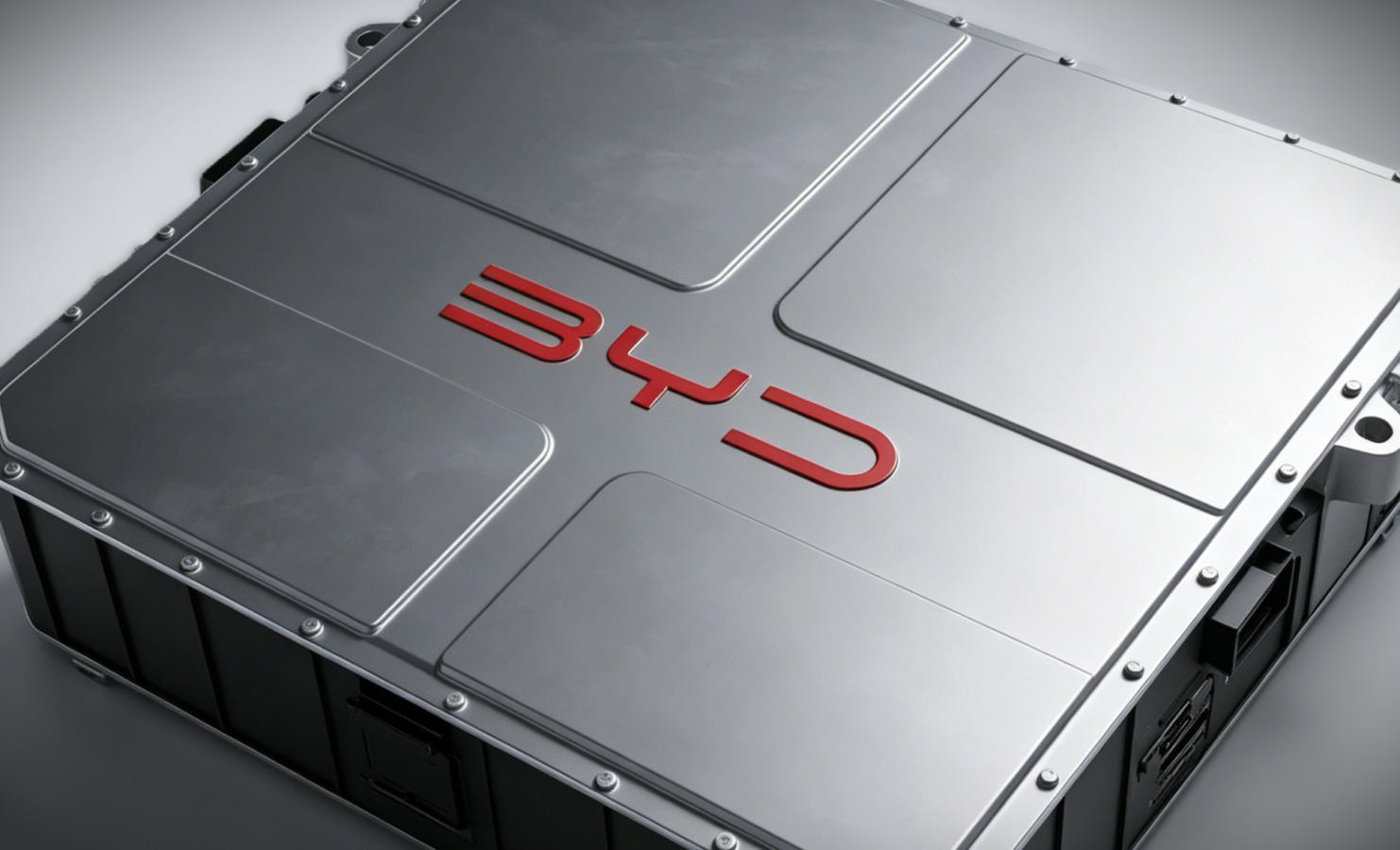
- BYD Officially Acknowledges Battery Shortage: BYD announced that multiple FlashCharge EV models simultaneously entering production ramp-up stages have created battery production constraints affecting delivery schedules. The world's largest EV maker's battery supply bottleneck could cause significant delivery delays over the coming months.
- U.S. Energy Storage Market Shifts to Domestic LFP Batteries as Chinese Battery Regulations Tighten: U.S. policy is strengthening restrictions on Chinese batteries, prompting buyers to switch to American lithium battery purchases despite higher costs. Subsidies, tariffs, and stricter vetting are expected to fundamentally reshape how energy storage systems are sourced and built over the coming years.
- Global Supply Chain Stress at Post-2022 Crisis Highs: Surging ancillary costs and reduced competition on U.S. shipping routes are increasing costs for supply chain managers. According to the GEP Global Supply Chain Volatility Index (survey of 27,000 companies), supply chain pressure has reached its highest level since the 2022 crisis as firms build inventory to prepare for inflation and shortages.
- AI Chip Boom Intensifies Labor and Supply Chain Challenges: The explosive demand for AI is driving computing requirements that demand massive memory capacity, translating into urgent supply chain and labor force problems.
3. Core Industry Trends
Semiconductors
- Surging AI Chip Demand Squeezes Supply Chain and Workforce: Computing and memory demands for generative AI and large-scale model training are creating bottlenecks across the semiconductor supply chain. According to Forbes, this goes beyond a simple supply-demand issue and includes acute skilled labor shortages—a structural problem that cannot be resolved by fab expansions alone in the short term.
- Middle East Conflict-Driven Energy Cost Increases Pressure Semiconductor Manufacturing Costs: The World Bank projects energy prices will surge 24% this year, hitting their highest level since the Russia-Ukraine war in 2022. Rising electricity costs essential to fab operations act as a manufacturing cost pressure factor.
Secondary Batteries & Electric Vehicles
- BYD Admits Battery Shortage from FlashCharge EV Demand Explosion: BYD officially announced that simultaneous production expansion of multiple FlashCharge EV models is creating battery production constraints affecting delivery schedules. Supply chain experts are flagging this as a key risk for the global EV market in the second half of 2026.
- Lithium Americas Warns Thacker Pass Could Face Up to $120 Million Tariff Impact: Lithium Americas cautioned that tariffs and Middle East conflict-driven inflation could add up to $120 million to Thacker Pass construction costs. This underscores how battery material production costs in the U.S. are rising sharply due to geopolitical risks and policy uncertainty.
Automotive, Shipbuilding & Steel
- Iraq Exports 10 Million Barrels of Crude Through Strait of Hormuz in April: Iraq exported 10 million barrels of crude through the Strait of Hormuz in April, according to Reuters reporting on May 16. Amid ongoing geopolitical tensions over Iran's control of the strait, the vulnerability of Middle East crude supply chains is coming into focus.
- U.S. Refiners Finally Profit from Biofuels Amid Mandates and High Oil Prices: Federal mandates and high crude prices have aligned to allow U.S. refiners to finally generate profits from biofuels, Reuters reported on May 15. This signals growing biofuel share in the auto fuel supply chain.
4. Corporate Moves
- Lithium Americas: Disclosed that tariffs and Middle East conflict-driven inflation could add up to $120 million in construction costs to Thacker Pass. Red flags are now raised for the economics of America's largest lithium project.
- First Quantum Minerals: Released a report stating that Panama's shutdown of Cobre Panama mine has caused $3.5 billion in economic loss. First Quantum is ratcheting up pressure on the Panamanian government to reopen the mine.
- BYD: Officially acknowledged that simultaneous production expansion of multiple FlashCharge EV models is creating battery production constraints affecting delivery schedules. The world's No. 1 EV maker's battery shortage is projected to have broad ripple effects across the global EV market.
5. Today's Insight
The most striking feature today is simultaneous strength in precious and industrial metals, while energy prices weakened on easing geopolitical tensions. Silver's extraordinary 7.47% surge signals more than just safe-haven demand—it points to structural factors like surging industrial demand in China. Copper, holding at $5.64/pound, remains strong even after the all-time high of $6.58/pound on May 12, reflecting complex interplay of decarbonization-driven structural demand and supply constraints.
On the supply chain front, two opposing currents are crossing. On one hand, BYD's battery shortage admission, Lithium Americas' tariff warnings, and U.S. restrictions on Chinese batteries are heightening uncertainty across the entire battery supply chain. On the other hand, the U.S. is intensifying policy-driven efforts to expand domestic energy storage production capacity, raising the likelihood of expanded U.S. manufacturing over the medium term. Semiconductor supply chain bottlenecks from the AI chip boom are also compounding into broader manufacturing cost pressures, layered with rising fab operating costs from energy inflation. Supply chain managers must now balance near-term inventory-building strategies with long-term sourcing diversification in an environment where geopolitical risk has become a constant.
6. What to Watch Next
- Trump-Xi Hormuz Agreement Follow-up and Iran Response: Trump stated that Xi agreed Iran would open the Strait of Hormuz, but Iran has yet to issue an official response. Iran's subsequent actions could rapidly shift crude supply chains and energy prices.
- BYD Battery Shortage Updates and Delivery Delay Scope Confirmation: Any additional BYD disclosures on the scale of delivery delays or battery production expansion plans will have immediate ripple effects across battery material markets and the broader EV component supply chain.
- Additional U.S. Lithium Project Tariff Impact Announcements: Following Lithium Americas' tariff warning for Thacker Pass, other U.S. battery material projects may announce revised cost estimates. Watch for clarity on where battery material supply chain U.S. localization costs will stabilize.
7. Reader Action Items
-
Battery Material Procurement Officers: BYD's battery shortage admission could signal surging global demand for cathodes, anodes, and electrolytes. With lithium carbonate already up 3%+, immediately review current contract terms and long-term fixed-price agreements, and secure non-China sourcing options in advance.
-
Energy Storage System (ESS) Procurement Officers: As U.S. restrictions on Chinese batteries intensify, expedite contract negotiations with domestic LFP battery suppliers, but also factor U.S. product cost escalation risks into contracts—following the Lithium Americas tariff example. Verify investment tax credit (ITC) eligibility when selecting sourcing partners.
-
Raw Materials Portfolio Investors: Silver (+7.47%) and gold (+3.84%) are surging in tandem, and copper shows structural strength. However, WTI (−3.06%) and Brent (−4.21%) declines reveal divergence between energy and metal commodities. As Strait of Hormuz tensions and Iran response unfold, energy prices could reignite—review hedging positions on energy exposure.
Sourcing Principle: All figures, company names, and contract details in this briefing are drawn exclusively from source material cited above. No content outside the research is included.
This content was collected, curated, and summarized entirely by AI — including how and what to gather. It may contain inaccuracies. Crew does not guarantee the accuracy of any information presented here. Always verify facts on your own before acting on them. Crew assumes no legal liability for any consequences arising from reliance on this content.
Powered by
