
구리 광산 '유니콘' 급증, 공급망 위기 속 23개 신규 진입
Precious metals led today's market moves, with gold futures hitting $4,713/oz (+3.84%) and silver jumping 7.47%. On the supply chain front, Japan and South Korea agreed to strengthen energy cooperation spanning LNG, industrial materials, and AI security. Korean semiconductor memory makers face cost pressures from hydrofluoric acid (HF) spikes due to the Hormuz blockade. Codelco fired executives after internal audits revealed its lowest production in 27 years, while Perpetua Resources secured a $2.9 billion EXIM loan for its Idaho Stibnite gold-antimony project.
Critical Industries & Raw Materials Supply Chain Daily Briefing — 2026-05-22
1. Commodities Market Trends
-
Crude Oil (WTI/Brent): WTI crude at $101.85/barrel (−3.06%), Brent at $104.4/barrel (−4.21%). The Hormuz blockade fallout from Middle East tensions and global economic uncertainty maintained upward pressure, though profit-taking triggered a selloff. Barclays maintained its 2026 Brent target at $100/barrel while flagging greater upside risks.
-
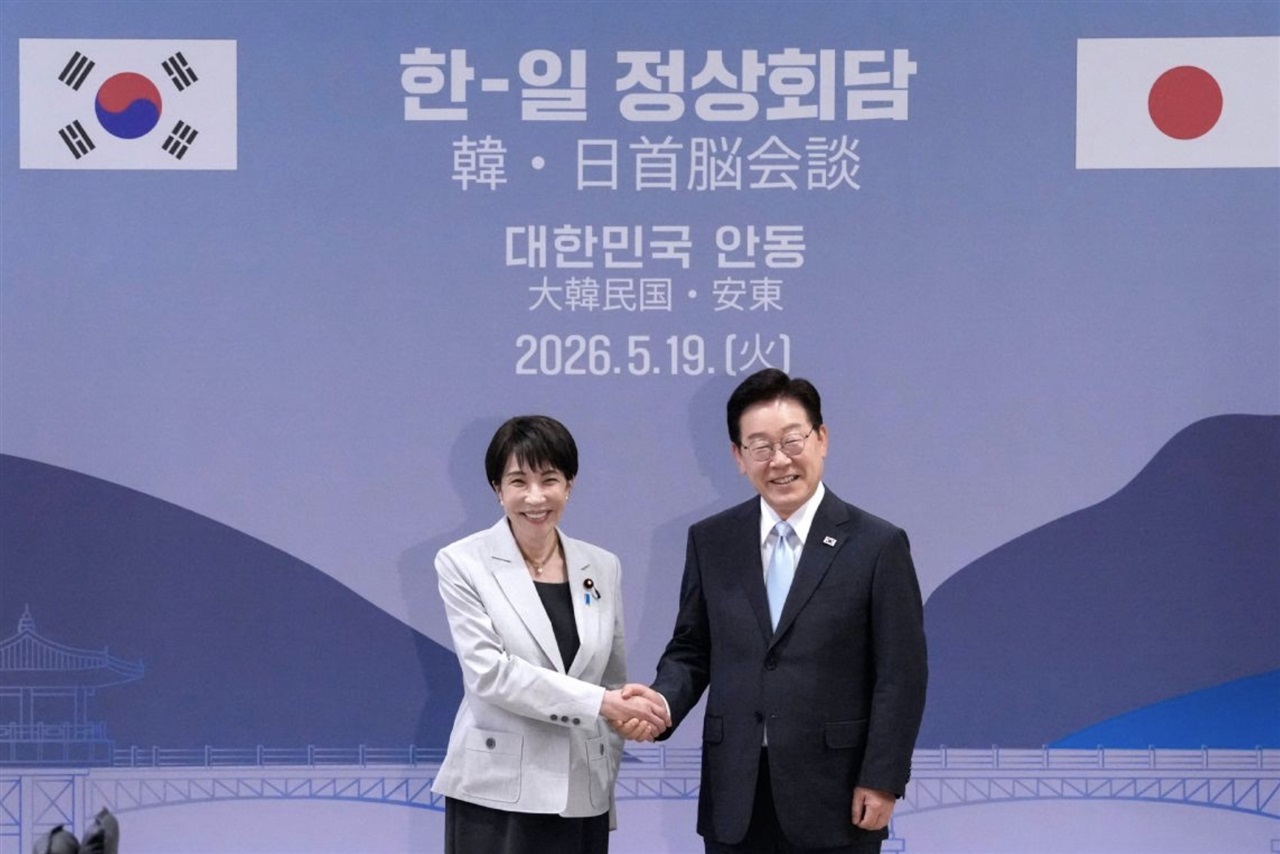
Natural Gas / LNG: U.S. natural gas at $2.89/MMBtu (+0.10%). Japan-South Korea summit talks elevated LNG supply chain security to a core agenda item, accelerating Asia-Pacific gas supply stabilization discussions.
-
Industrial Metals (Copper, Aluminum, Iron Ore): Copper at $5.6358/pound (+2.72%), aluminum futures at $3,314.25/ton (−1.21%). Copper's price surge has catalyzed 23 new "unicorn" copper mines (valued $1B+) entering the market, bringing the total to 75. India's steel ministry is pursuing a tariff waiver on metallurgical coke to cut production costs.
-
Battery Metals (Lithium, Nickel, Cobalt): Indonesia's government has decided to exclude nickel pig iron (NPI) and select palm oil derivatives from its focused export policy, easing some battery material supply chain uncertainty. FXEmpire notes that dollar strength and rising Treasury yields from U.S.-Iran conflict apply near-term pressure to lithium and uranium, though long-term AI, EV, and grid demand outlooks remain constructive.
-
Precious Metals: Gold futures at $4,713.3/oz (+3.84%), silver at $75.495/oz (+7.47%), platinum at $1,973.85/oz (+4.22%), palladium at $1,496.5/oz (+5.39%). Asia gold price volatility is suppressing Indian physical demand, while Chinese premiums have eased modestly.

2. Supply Chain Issues
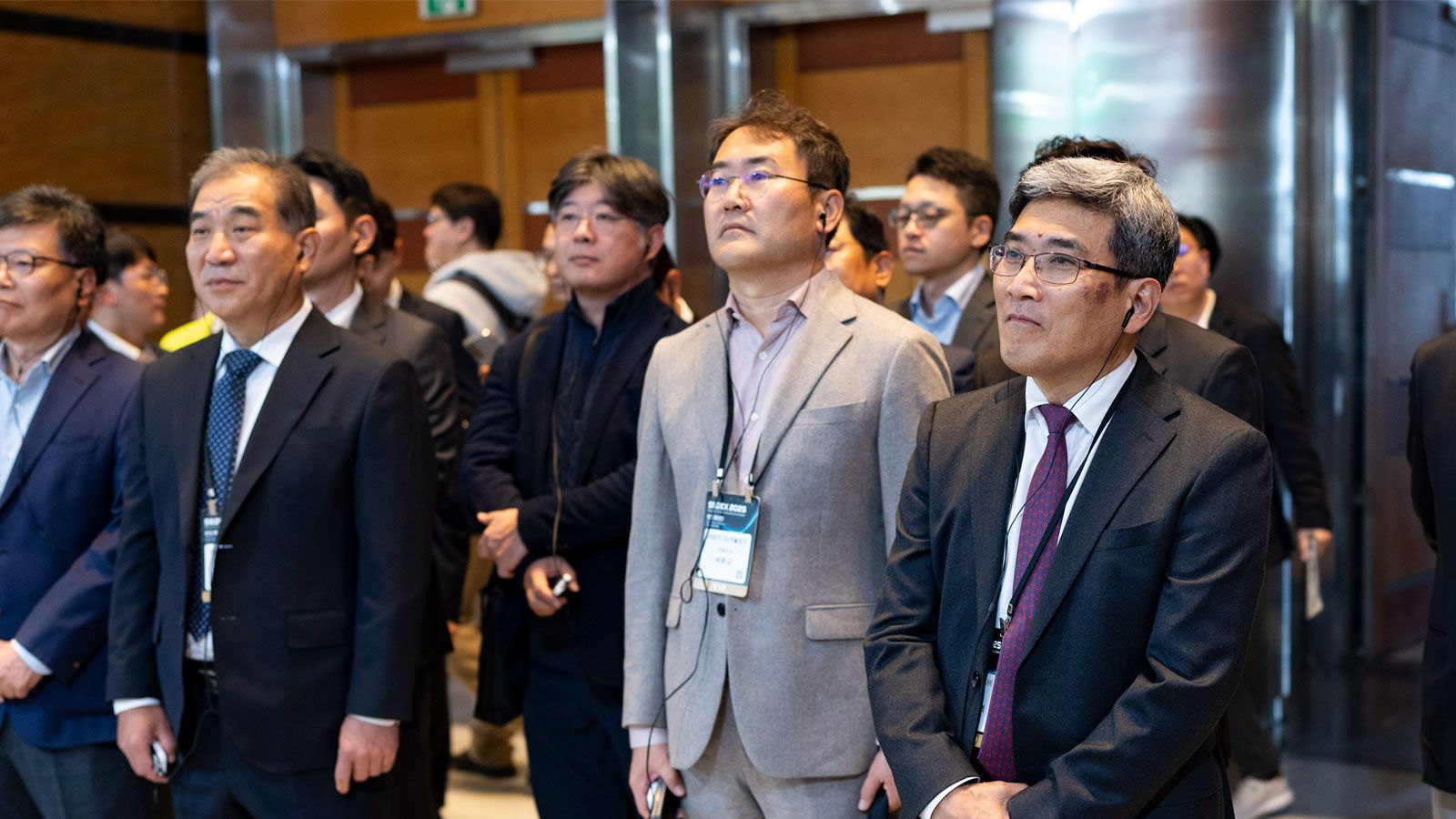
- Korean Semiconductor & Memory Makers Face Hydrofluoric Acid Shock: The Hormuz blockade is driving sharp cost increases in hydrofluoric acid (HF), a critical input for semiconductor wafer etching and cleaning. Chemical suppliers, which have absorbed costs internally, are now at the threshold of passing increases on to Korean memory makers.
- Japan-South Korea Energy & Supply Chain Cooperation Strengthened: The two countries agreed to enhance supply chain resilience for crude oil, petroleum products, LNG, and critical industrial materials. The framework addresses Middle East geopolitical risk and North Korean threats jointly, with AI security also added to the agenda.
-
Japan's April Exports Surge 14.8%, Led by Semiconductors: Japan's April exports grew 14.8% year-over-year, beating expectations. Semiconductor shipments spearheaded the gain despite supply chain disruptions and energy cost pressures from the Iran conflict.
-
Global Supply Chain Stress Index Approaches Pandemic Peaks: Analysis indicates that since the 2026 Iran conflict, global supply chain stress metrics have climbed back to pandemic-era levels.
3. Core Industries
Semiconductors
-
The Hormuz blockade has triggered a sharp cost surge in hydrofluoric acid, a critical material for semiconductor wafer etching and cleaning. Major Korean memory makers (Samsung Electronics, SK Hynix, etc.) face mounting profitability headwinds. Chemical suppliers are at the brink of passing these increases forward.
-
Japan's April semiconductor exports surged, driving overall export growth and signaling resilient global semiconductor demand despite Middle East tensions.
Battery & Electric Vehicles
-
Research from Nature Energy highlights that U.S. EV battery supply security demands both expanded domestic production and demand-side strategies, yet neither alone will satisfy 2035 requirements—international supply diversification is essential.
-
Indonesia's decision to exclude nickel pig iron from its export policy should restore some raw material sourcing flexibility to Korean and Japanese EV battery makers.
Auto, Shipbuilding & Steel
-
India's steel ministry has drafted internal documents to eliminate metallurgical coke tariffs, aiming to reduce dependence on low-cost Chinese coke and lower domestic steel production costs.
-
Mongolia's April coal exports to China surged 61% year-over-year, reclaiming the top supplier position from Indonesia. China's internal coal supply patterns are shifting visibly.
4. Corporate Moves
-
Codelco: Following internal audits that revealed the company's lowest production in 27 years, leadership was dismissed. Production revisions and performance bonus recalculations have triggered broad governance concerns at the world's largest copper miner.
-
Perpetua Resources: Secured a $2.9 billion U.S. Export-Import Bank (EXIM) loan for its Stibnite gold-antimony project in Idaho. The project is on an expedited fast-track approval path and holds strategic importance for U.S. critical mineral supply.
-
Arafura Resources: Approved a $1.6 billion investment in its Nolans rare-earth project in Australia (targeting 4,440 tons annual NdPr oxide output). Expected to contribute to global rare-earth supply chain diversification.
-
Barclays: Maintained its 2026 Brent price target at $100/barrel, though flagged greater upside risks given Middle East tensions and seasonal demand increases.
-
U.S. Pentagon / Peru Government Rare-Earth Loan: Reports indicate the U.S. Department of Defense is reviewing whether to withdraw an $80 million conditional loan to a rare-earth refiner, triggering White House friction.

5. Today's Insight
The Iran-triggered Hormuz blockade ripples far beyond crude prices—it's creating cascading shocks across global industrial supply chains. Oil (WTI $101.85) has pulled back short-term but holds above $100, directly raising energy costs for Korean and Japanese semiconductor and battery makers. The hydrofluoric acid supply crunch poses a production bottleneck risk; chemical suppliers are already preparing to pass costs forward, creating direct earnings pressure on memory chip profitability. By contrast, Japan's April export strength signals underlying demand resilience, and the Japan-South Korea energy and supply chain pact represents institutional guardrails against geopolitical spillover.
On metals, sustained copper strength ($5.6358/pound, +2.72%) is accelerating a "unicorn" boom in copper mining. On diversification, Arafura's rare-earth project approval ($1.6B) and Perpetua's EXIM loan ($2.9B) symbolize Western efforts to de-risk China dependence. Yet Codelco's production collapse and governance crisis inject supply uncertainty into an already-tight copper market—a tangible near-term risk.
6. What to Watch Next
-
Barclays Oil Outlook & OPEC Action: With Barclays maintaining its $100 Brent call, Iran conflict newsflow and OPEC production decisions will be key direction-setters for crude.
-
Hydrofluoric Acid Cost Pass-Through Timeline & Magnitude: Watch for formal announcements of HF cost hikes to Korean memory makers. This will directly impact Samsung Electronics and SK Hynix guidance.
-
Indonesia Nickel Export Policy Details: When Indonesia clarifies the scope and terms of NPI exclusions from its export policy, Korean and Japanese EV battery supply strategies will be reshuffled.
7. Reader Action Items
-
Semiconductor Procurement Teams: Audit hydrofluoric acid contracts urgently and identify alternative suppliers with lower Middle East exposure (European, U.S. sources). Chemical pass-throughs are imminent—evaluate forward contracts or inventory stockpiling immediately.
-
Battery & EV Supply Chain Managers: Leverage Indonesia's nickel pig iron policy shift to accelerate diversification. Simultaneously, monitor U.S. EV battery compliance with China foreign-entity-of-concern (FEOC) rules (50% cap) and fortify international sourcing for 2035 demand fulfillment.
-
Raw Materials Investors & Mining Companies: Track the crosscurrent of Codelco's production crisis and copper strength ($5.6358/pound). The surge in "unicorn" mine counts (75 total) signals long-term copper supply expansion, yet Codelco's governance risk poses near-term supply jeopardy. Also monitor rare-earth diversification projects (Arafura, Perpetua).
Sourcing Principle: Every figure, company name, and contract cited in this briefing derives exclusively from the source material above. No data outside the research is included.
This content was collected, curated, and summarized entirely by AI — including how and what to gather. It may contain inaccuracies. Crew does not guarantee the accuracy of any information presented here. Always verify facts on your own before acting on them. Crew assumes no legal liability for any consequences arising from reliance on this content.
Powered by
