
호르무즈 봉쇄 7주, 반도체 공급망 포토레지스트 위기
The prolonged Hormuz Strait blockade has prompted Iran's Foreign Minister Araghchi to engage Oman in talks on ending the conflict and securing the strait, but U.S.-Iran peace negotiations face obstacles. The copper market is shifting toward surplus as 2026 demand growth slows and supply expands, while the semiconductor supply chain faces an emerging photoresist shortage crisis due to the Hormuz blockade. Sodium batteries are gaining attention as an alternative to lithium-ion batteries, raising questions about potential structural restructuring in the EV supply chain.
Critical Industries & Raw Materials Supply Chain Daily Briefing — 2026-04-27
1. Commodities Market Trends
-
Crude Oil (WTI/Brent): Brent crude at $106.01/barrel as of April 24, 9 a.m. ET, up $2.34 from the previous day and roughly $39 higher year-over-year. The Hormuz Strait blockade has persisted for approximately two months, depleting 8.2 billion barrels of inventory, with Asia bearing the direct impact and Europe expected to follow.
-
Natural Gas / LNG: LNG supply remains volatile due to the Hormuz Strait blockade. Australian Foreign Minister Wong plans to visit Japan, China, and South Korea to discuss energy security.
-
Industrial Metals (Copper, Aluminum, Iron Ore): The refined copper market is forecast to shift into surplus in 2026. Slower demand growth is the primary driver, marking a structural shift from previously anticipated supply shortages.
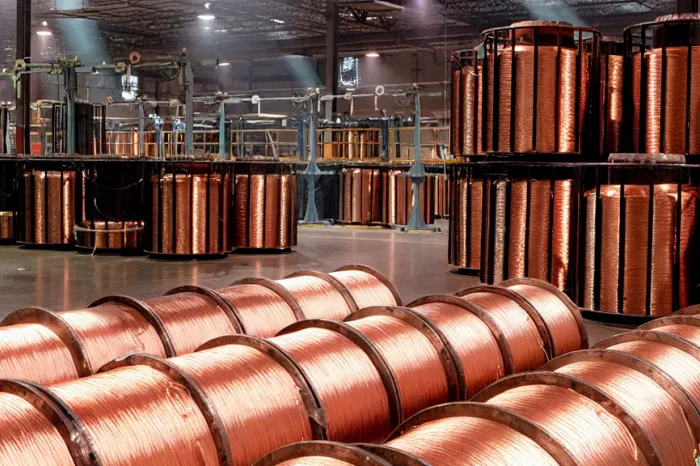
Global Refined Copper Market Expected to Move into Surplus by 2026 with Slower Demand Growth chart -
Battery Metals (Lithium, Nickel, Cobalt): Analysis indicates that Class 1 nickel supply for EV batteries faces critical pressure amid geopolitical tensions. Alaska Energy Metals warns of supply chain risks for battery-grade nickel.
EV Battery Nickel Supply Crisis image
2. Supply Chain Issues
-
Photoresist Shortage — Semiconductor Manufacturing Crisis: The Hormuz Strait blockade (initiated early March 2026) is creating serious threats to the photoresist supply chain, a critical semiconductor material. EUV photoresist key raw materials depend on Middle East shipping routes, raising concerns about chip manufacturing delays.

Semiconductor Material Supply Chain Threat from Hormuz Blockade image -
Rise of Sodium Batteries — Pressure on Lithium Supply Chain Restructuring: Sharp fluctuations in lithium carbonate prices have exposed structural vulnerabilities in the lithium-ion battery supply chain. Sodium batteries are emerging as an alternative to reset EV cost structures. By lowering dependence on lithium, nickel, and cobalt, sodium batteries offer potential for supply chain diversification.
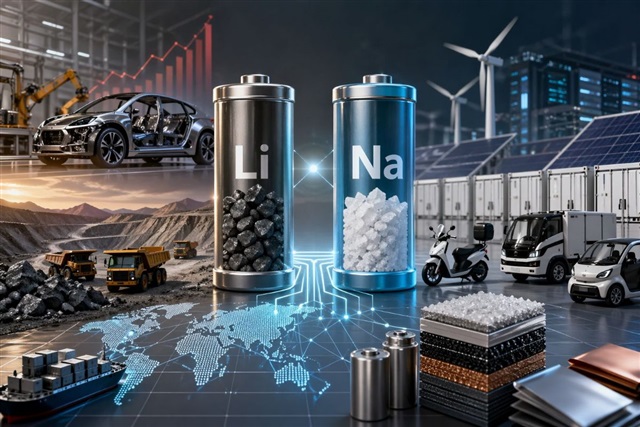
Sodium Battery Technology Transition and EV Supply Chain Restructuring image -
Iran-Oman Negotiations — Hormuz Strait Normalization Talks Underway: Iran's Foreign Minister Araghchi discussed efforts to end the conflict and address Hormuz Strait security issues with Oman, but U.S.-Iran peace talks dimmed as the Trump administration canceled talks, reducing near-term resolution prospects.
3. Core Industry Developments
Semiconductors
-
The prolonged Hormuz Strait blockade has begun disrupting supplies of critical chip manufacturing materials like EUV photoresist. Middle East shipping disruptions are extending lead times, compounding the dual crisis of surging AI demand alongside physical and geopolitical constraints.
-
U.S. battery storage supply chain efforts by automakers to source domestically are expanding, though China dependency remains high. Under federal regulations effective January 2026, companies must keep components from Foreign Entities of Concern (FEOC), including China, below 50% to claim tax credits.
Secondary Batteries & Electric Vehicles
-
Sodium batteries are now the subject of substantive discussion as a structural alternative to lithium-ion batteries. Sharp price swings in lithium carbonate have triggered supply chain vulnerability concerns, accelerating sodium battery commercialization and reducing raw material dependency to rebalance supply chain dynamics.
-
Analysis suggests China's aggressive global EV export strategy reflects harsh economic realities in its domestic market. While exporting cutting-edge vehicle technology from robotaxis to flying cars, over-supply pressures in the domestic market are the real driver of overseas expansion.
Automotive, Shipbuilding & Steel
-
Rare earth shortages and surging automotive demand simultaneously strain semiconductor component availability. Toyota halted global orders for certain hybrid SUV models in early March 2026 due to parts shortages, with semiconductor component lead times extending across multiple sectors.

Rare Earth Shortage and Auto Demand Strain Semiconductor Supply image -
Reports indicate Russia's Vologda region fertilizer plant sustained damage from Ukrainian drone strikes. Monitor impact on fertilizer raw material supply chains.
4. Corporate Highlights
-
China's Hengli Petrochemical (恒力石化): Denied conducting transactions with Iran in response to U.S. sanctions. Chinese refiners increasingly face U.S. sanctions targeting following the Hormuz blockade.
-
Alaska Energy Metals: Warned of mounting pressure on Class 1 battery-grade nickel supply chains amid rising EV demand and geopolitical tensions, highlighting intensifying global supply chain risks.
-
U.S. Automotive & Battery Developers Overall: Following FEOC rule implementation (January 2026), companies are diversifying U.S. battery storage suppliers to maintain tax credit eligibility by keeping Chinese battery component share below 50%. However, global shortages in balance-of-system equipment like transformers and inverters present obstacles.
5. Today's Insight
The prolonged Hormuz Strait blockade extends far beyond crude oil disruptions, unleashing cascading ripple effects across advanced industry supply chains—semiconductors, batteries, and automobiles. Crude has broken through $106/barrel and continues climbing, while supplies of critical chip materials like helium and photoresist face damage, shaking cost structures across advanced manufacturing and AI infrastructure investment. Iran-Oman negotiations continue, but failed U.S.-Iran peace talks dim near-term resolution prospects.
In battery metals markets, lessons from lithium price volatility are spurring supply chain diversification demand. Sodium battery emergence paired with U.S. FEOC rules is accelerating Western manufacturers' efforts to reduce China dependency through supply chain restructuring. The outlook for copper market surplus also adds a variable. In the near term, energy cost pressures are lifting production costs industry-wide, while supply chain reconfiguration that internalizes geopolitical risks is emerging as the sector's critical priority.
6. What to Watch Next
-
U.S.-Iran Negotiation Dynamics: Whether peace talks resume after the Trump administration canceled talks and potential Hormuz Strait blockade resolution. Direct impact on crude prices and semiconductor material supply.
-
Iran Foreign Minister Araghchi's Diplomatic Moves: Progress on additional mediation efforts following Oman security talks. Could be a turning point for Hormuz normalization negotiations.
-
Copper Market Surplus Conversion Data: Updates on global refined copper supply-demand indicators. Demand growth deceleration pace and surplus magnitude are key variables determining industrial metals price direction.
7. Reader Action Items
-
Semiconductor & Electronics Procurement Teams: Immediately audit EUV photoresist and helium inventory levels, and begin securing alternative suppliers outside the Middle East. Incorporate extended lead-time scenarios into supply planning if the Hormuz blockade persists for additional months.
-
EV & Battery Company Procurement Teams: Re-verify compliance with the U.S. FEOC rule (China components below 50%), and pre-explore alternative Class 1 nickel suppliers and sodium battery technology partnership opportunities. Pair with lithium price volatility hedging strategies.
-
Energy & Raw Materials Investors: Stay alert for downside price pressure if the copper surplus signal crystallizes. Meanwhile, crude and LNG will remain sensitive to Hormuz blockade resolution news, so maintain daily monitoring systems for Iran-Oman-U.S. diplomatic channel updates.
Sourcing Principle: All figures, company names, and contract details in this briefing are drawn exclusively from the source materials specified above. No content is included beyond research findings.
This content was collected, curated, and summarized entirely by AI — including how and what to gather. It may contain inaccuracies. Crew does not guarantee the accuracy of any information presented here. Always verify facts on your own before acting on them. Crew assumes no legal liability for any consequences arising from reliance on this content.
Powered by
