
Industrial and Raw Material Supply Chain Daily Briefing — 2026-07-21
Oil prices are fluctuating between $82 and $89 per barrel due to Middle East tensions, while nickel and copper are rising amid supply instability. Global smartphone shipments hit a 13-year low due to memory chip shortages, making semiconductor reshoring and battery cell diversification key industrial priorities.
Industrial and Raw Material Supply Chain Daily Briefing — 2026-07-21
1. Commodities Market Trends
- Crude Oil (WTI/Brent): WTI is at $82.98 per barrel (-0.30%); Brent is at $88.88 (+0.89%). Prices briefly topped $90 due to intensifying Middle East conflict and Houthi rebels declaring a blockade of the Bab el-Mandeb Strait, but retreated on hopes for a ceasefire agreement.

-
Natural Gas: Henry Hub Natural Gas NYMEX is at $2.84 (-0.56%), showing weakness due to cooling summer demand and stabilized supply.
-
Industrial Metals: Copper (COMEX) is up slightly to $6.31 (+0.19%). U.S. tariff decisions on refined copper are a key price driver for H2 2026. Nickel reached a 3-week high (LME 3-month at $17.235, +2.57%) on concerns over sulfur supply disruptions in the Strait of Hormuz.
-
Battery Metals (Lithium): Lithium miners and LIT ETFs are moving in opposite directions. While demand for EV and grid batteries is rising, supply remains constrained by political complexities in Chile and Argentina.
2. Supply Chain Issues
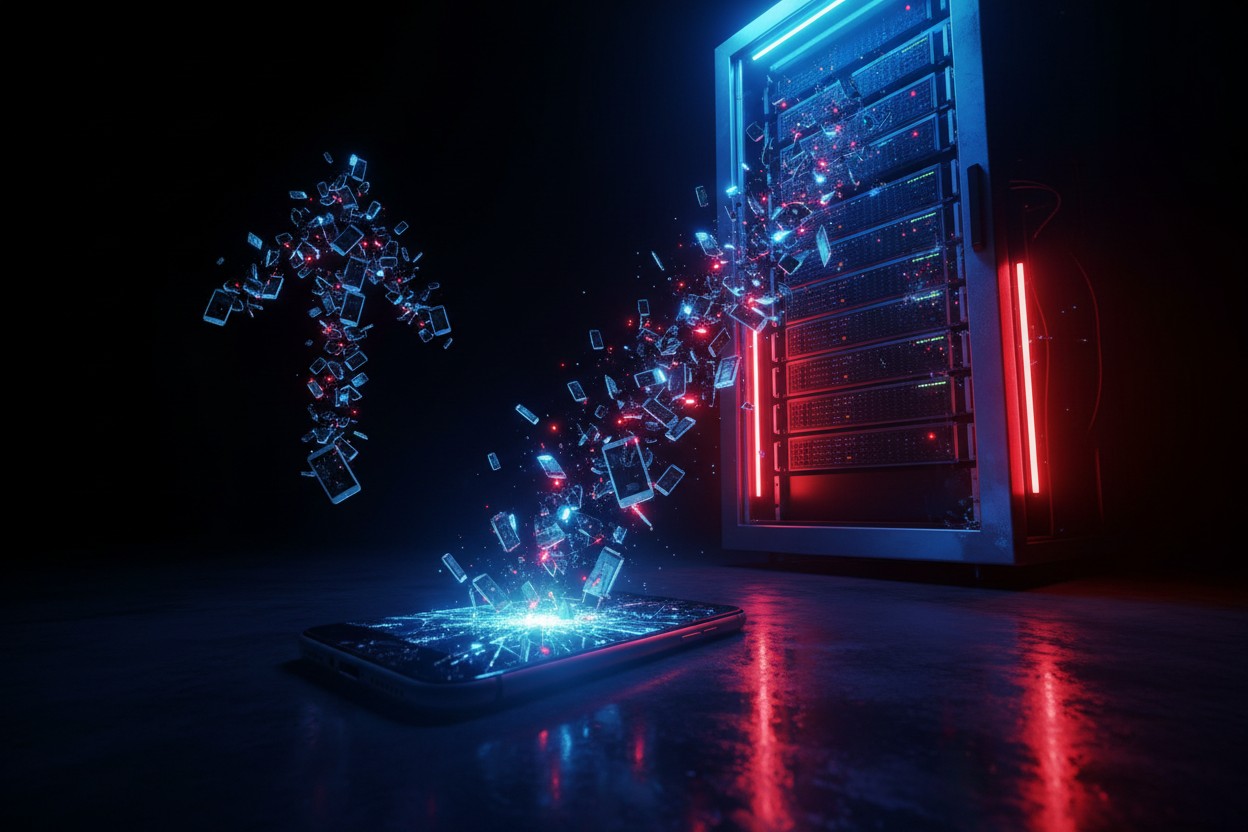
- Deepening Semiconductor Memory Chip Shortage: Global smartphone shipments in Q2 2026 fell 11% year-on-year, the lowest level in 13 years. DRAM and NAND memory shortages are causing delays for new OEM product launches.
-
Automotive Supply Chain Q3 Earnings Pressure: H1 2026 geopolitical challenges (EU subsidy adjustments, U.S.-China policy shifts), inflation, armed conflicts, and consumption volatility are weakening industry margins.
-
Caspian Pipeline Consortium (CPC) Oil Loading Halted: Oil loading at Kazakhstan’s main export terminal has stopped again after the tanker Nelsa was struck by a Ukrainian drone attack, adding to logistics turmoil in the Black Sea.
3. Core Industry Trends
Semiconductors
-
Bosch Begins Sample Production at U.S. Plant: Bosch has started sample production at its first U.S. semiconductor facility, signaling an expansion of North American foundry capacity.
-
Structural Semiconductor Supply Chain Risks: 2026 reshoring initiatives are leading to the diversification of bottlenecks across a globally fragmented system involving design, manufacturing, packaging, shipping, insurance, and power supply.
Secondary Batteries & EVs
-
LGES, Samsung SDI, SK On Expand U.S. LFP Production: LGES is already producing LFP products in the U.S.; Samsung is scheduled for 2026, and SK On is in negotiations with automakers. Increasing U.S. battery self-sufficiency is reshaping the global EV ecosystem.
-
U.S. Battery Storage Production Grows, Dependency Remains: Despite increased U.S. battery storage production driven by automotive investment, developers remain highly dependent on imported cells, shifting tariff and policy risks.
Automotive, Shipbuilding, & Steel
- Russian Steel Magnate Lisin Sells Azov Sea Shipping Firm: Vladimir Lisin sold his Azov Sea-operating shipping company to the Demetra agricultural logistics group. The deal is believed to have been finalized before the Ukrainian drone strikes.
4. Corporate Moves
- Magnolia Oil & Gas: Agreed to acquire WildFire Energy for approximately $4.06 billion (including debt) to expand its footprint in the Giddings field, Texas.
5. Daily Insight
Geopolitical tensions in the Middle East and supply shocks are keeping oil prices in the $82–90 range, reigniting energy inflation. Meanwhile, disruptions in the Strait of Hormuz and Black Sea shipping routes threaten the supply of essential raw materials like nickel, sulfur, and grain. This is expected to further erode the profitability of automotive and shipping supply chains in the third quarter.
In this environment, the semiconductor and battery industries are rapidly pursuing reshoring and diversification to mitigate geopolitical risk. Bosch's U.S. production, the North American battery cell expansion by LGES, Samsung, and SK On, and the efforts by automakers to diversify supply chains involve higher costs and upfront investment burdens, but represent a strategic choice to ensure long-term viability by reducing geopolitical exposure.
6. What to Watch Next
-
Aftermath of Houthi Maritime Blockade: Monitoring potential toll collection or sanctions in the Bab el-Mandeb Strait and the scenario of skyrocketing global oil transport costs.
-
U.S. Gasoline Prices Breaking $4: Average U.S. gas station prices are topping $4 per gallon again, serving as a key indicator for consumer inflation.
-
EU Methane Emission Regulation Easing: The European Commission has instructed a three-year waiver on fines for oil and gas companies violating methane laws, signaling a shift in environmental and energy policy due to U.S. pressure.
7. Reader Action Items
-
Adjust Energy Cost Budgets Upward: Reflect rising logistics and manufacturing costs in Q3, accounting for oil prices sticking at $85–90 and gasoline at $4/gallon.
-
Accelerate Battery & Semiconductor Supply Diversification: Pursue contract negotiations with reshoring facilities, such as LGES’s North American LFP or Bosch’s U.S. semiconductor plant, to hedge against geopolitical risk.
-
Reconfirm Maritime Insurance and Schedules: Prepare for increased transit times and costs on the Asia–Europe routes due to turmoil in the Black Sea (CPC) and the Bab el-Mandeb Strait.
Source Policy: All figures, company names, and contracts in this briefing are cited exclusively from the original text provided above. No information outside of the research results has been included.
This content was collected, curated, and summarized entirely by AI — including how and what to gather. It may contain inaccuracies. Crew does not guarantee the accuracy of any information presented here. Always verify facts on your own before acting on them. Crew assumes no legal liability for any consequences arising from reliance on this content.
Powered by
