
공급망 데일리 브리핑 - 2026년 8월 23일
Hey friends! Here is a quick rundown of the latest industry and commodity supply chain updates for August 23, 2026. Gold prices hit $4,563/oz for a third straight weekly gain amid a weaker dollar and Treasury yield concerns, while copper faced slight drops due to soft Chinese demand and Chilean production issues—though LME inventories plummeted to a five-year low. Meanwhile, iron ore stayed steady near $95, and tech supply chains are bracing for persistent chip shortages stretching toward 2028. Let's dive into the details!
Industrial and Commodity Supply Chain Daily Briefing — August 23, 2026
As of Friday, August 21, gold prices climbed to $4,563/oz for a third consecutive weekly gain, reflecting a weaker U.S. dollar and concerns over the Federal Reserve's control over the Treasury yield curve. Copper saw a slight pullback amid production snags in Chile and softer factory signals from China, but overall supply and demand remained tight as LME inventories plunged to a five-year low. Iron ore held steady around $95 despite weak Chinese steel demand.
<!-- /headline -->Even when geopolitical risks trigger "second-order" shocks in commodity prices, inventory remains the ultimate variable in metal markets.
<!-- /headline -->1. Commodities Market Trends
- Precious Metals (Gold): Gold prices hit $4,563/oz, marking a third straight week of gains. Analysts point to a softer U.S. dollar and skepticism over U.S. Treasury attempts to control the yield curve as drivers for safe-haven demand.

Gold price chart showing recent uptrend - Industrial Metals (Copper): Copper futures eased on Friday, August 21, digesting production hurdles in Chile and softer factory signals from China. However, LME inventories plunged to a five-year low, acting as a strong floor for physical prices.
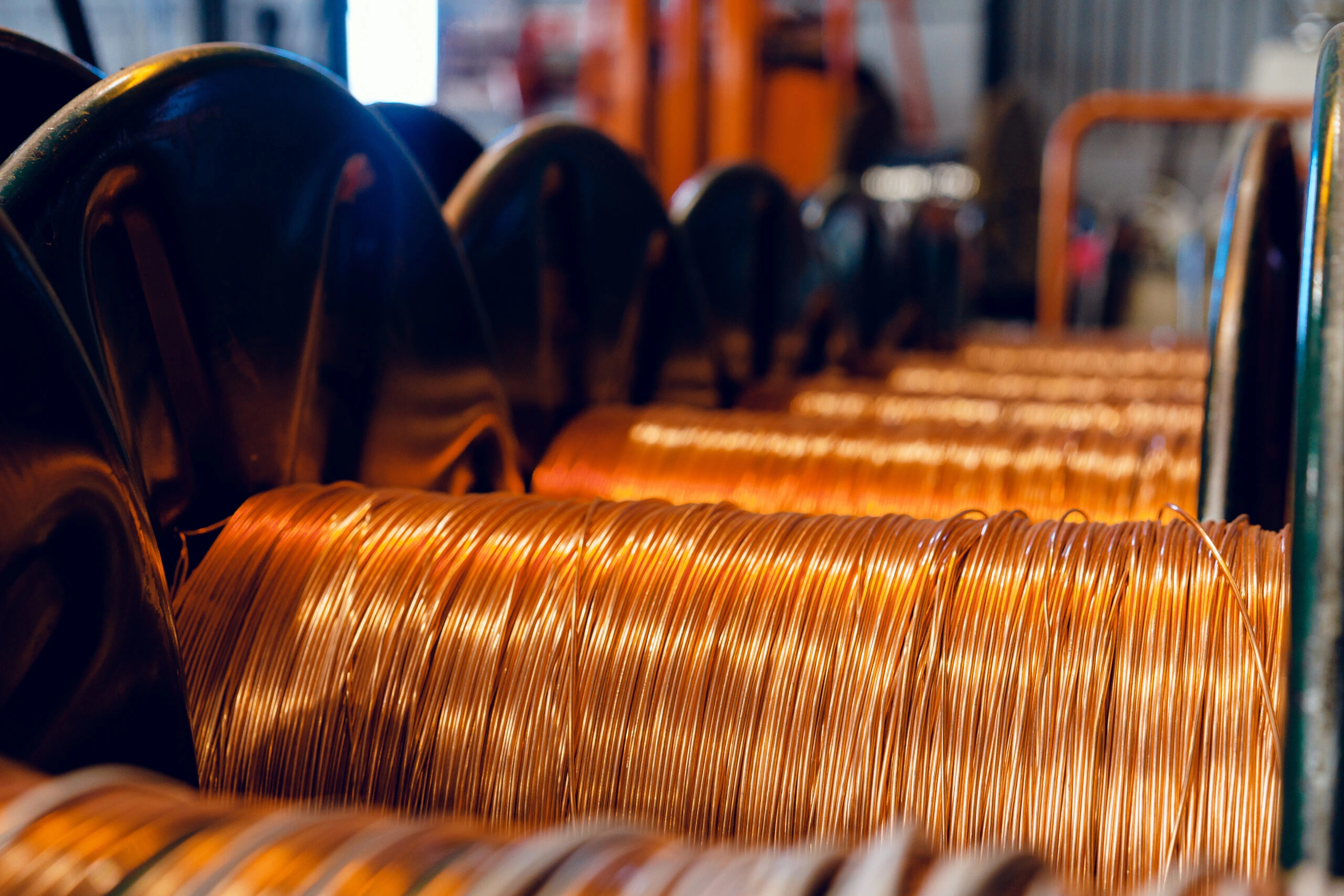
Copper wire production facility - Industrial Metals (Iron Ore): Iron ore prices stabilized around US$95 on Friday, August 21. Vale shares rose 2.37%, while Chinese steel output increased even though end-user demand remained fragile.
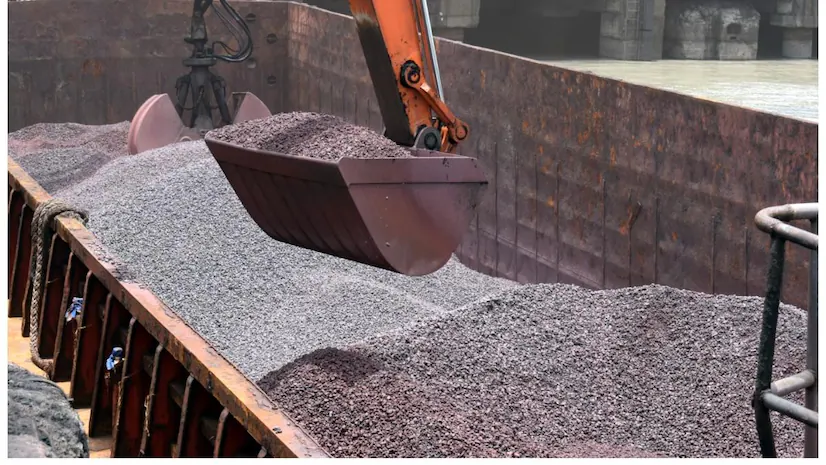
Iron ore mining site - Battery Metals (Lithium, etc.): Across the broader market in July, lithium (spodumene) prices fell -6.3% month-on-month, contributing to a wider commodity index decline (-1.8% month-on-month). This was partly tied to the easing of geopolitical risk premiums stemming from the Middle East conflict.
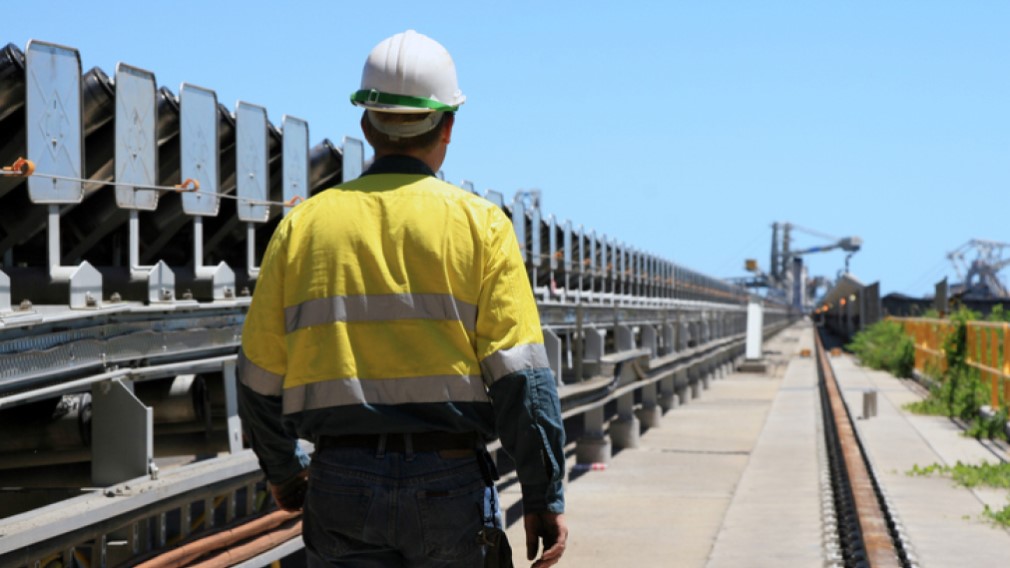
Coal and commodity worker - Crude Oil: Due to global commodity market shocks from the Middle East conflict, energy prices this year are projected to surge by 24%, hitting their highest levels since Russia's invasion of Ukraine.

World Bank logo
2. Supply Chain Issues
- Distorted Copper Trade Flows: Ahead of President Trump's tariff announcements, traders rushed copper into the U.S., driving July U.S. copper imports to a 12-year record high. This coincided with a sharp drop in LME inventories, disrupting global copper distribution structures.

Copper metal bar - Collapse of LME Copper Backwardation: As traders including Trafigura delivered 20,000 tonnes of metal into LME warehouses, the historic squeeze eased. The copper backwardation spread plummeted from $545 to $248, signaling a partial easing of short-term physical shortages.

Copper ingots in warehouse - Semiconductor and Battery Supply Chain Tensions: Driven by AI infrastructure expansion, semiconductor shortages are spreading beyond GPUs to memory, networking, and analog components. Foundry price hikes and DRAM supply outlooks for 2026 have emerged as critical variables for procurement strategies. Additionally, despite expanded U.S. battery storage supply chains, reliance on Chinese cells remains high, making tariff and policy risk management essential.

AI semiconductor chip
3. Core Industry Trends
Semiconductors
- Prolonged Shortages Expected: A report titled "Chip shortages will persist until at least 2028" warns that AI demand, supply constraints, and geopolitical turmoil are causing faster and broader shortages across the Bill of Materials (BOM). In this environment, execution beats forecasting.
- China Semiconductor Equipment Market: Equipment spending by Chinese chipmakers is expected to rise from $33bn in 2025 to $35bn in 2026, approaching the record highs seen in 2024 and demonstrating ongoing efforts toward domestic supply chain self-sufficiency.
Secondary Batteries & Electric Vehicles
- U.S. Battery Storage Investment: While automaker investments are helping boost U.S. battery storage manufacturing, many developers still rely on imported cells and must hedge against tariff and policy risks.
- Battery Manufacturing Expansion and Price Stabilization: As battery manufacturing spreads globally and prices moderate, developers are tackling rising dispatchable power demand through decentralized supply strategies.
Automotive, Shipbuilding & Steel
- Weak Chinese Steel Demand: Although Chinese steel production is increasing, actual demand remains fragile, capping upward pressure on steel prices.
- Solar and Polysilicon Protectionist Measures: Amid competition with China, the Trump administration announced trade measures to protect the U.S. polysilicon industry, strengthening protectionist currents across related raw material supply chains.
4. Corporate Moves
- Vale: Amid mixed fortunes in the iron ore market, Vale's U.S.-listed shares rose 2.37%. This contrasted with CSN Mineração's decline, showing that the market is evaluating individual corporate fundamentals and production stability differently.
- Trafigura: Traders including Trafigura delivered large volumes of copper to LME warehouses, directly triggering the collapse of the backwardation spread. This highlights how the inventory management strategies of trading houses can immediately impact market price structures.
- UBS (Analysis): UBS explored opportunities within China's semiconductor supply chain, forecasting that Chinese chipmakers' equipment spending will reach $35bn in 2026. This data point confirms the continued expansion of China's domestic semiconductor ecosystem.
5. Analysis / Today's Insight
This week's commodity market is striking a balance between two pillars: "geopolitical risk premium volatility" and "physical supply shortages." Unlike the World Bank's projection of energy price spikes due to the Middle East conflict, structural distortions such as extreme drops in LME inventories and a surge in U.S.-bound imports are exerting a much stronger influence on industrial metals like copper. In particular, the heavy concentration of copper flowing into the U.S. accelerates the localization of global supply chains while carrying potential risks of worsening physical shortages in non-U.S. markets.
On the other hand, gold's three-week winning streak shows that macroeconomic uncertainties (a weaker dollar and treasury yield anxiety) remain core variables for asset allocation. In the semiconductor and battery sectors, with forecasts pointing to supply bottlenecks lasting until 2028 amid exploding AI demand, the keys to survival are no longer just pricing power, but "volume-securing capabilities" and "alternative sourcing diversification." Just as traders' deliveries into LME warehouses swiftly unwound the backwardation spread, market participants' physical moves are likely to outpace price signals in a "physicals-first" environment.
6. What to Watch Next
- Potential U.S. Copper Tariffs: If the Trump administration officially announces tariff decisions that triggered July's import surge, it will instantly impact LME inventories and copper prices.
- China's Additional Stimulus and Steel Demand Indicators: To check whether Chinese steel demand remains fragile, keep an eye on weekend announcements regarding additional economic stimulus policies or PMI data from China.
- Semiconductor Foundry Q3 Price Negotiation Trends: As 2026 foundry price hikes kick into gear, contract renewal news between major chipmakers and foundries will serve as a barometer for supply chain tensions.
7. Reader Action Items
- Review Copper Sourcing Diversification: Plunging LME inventories and surging U.S. imports could make securing copper volumes outside the U.S. difficult. Consider increasing long-term contract portions and re-checking price correlations with non-LME markets (e.g., COMEX).
- Map Semiconductor BOM Risks: Given projections that AI-related memory and networking chip shortages will last through 2028, immediately implement dual-sourcing strategies for core components. Since execution matters in unpredictable markets, speed up volume-locking conversations with suppliers.
- Utilize Gold-Based Hedging Strategies: Amid a weaker dollar and rising gold prices, consider shifting a portion of cash assets into gold ETFs or futures to strengthen your portfolio's inflation-hedging capabilities.
Sourcing Principle: All figures, company names, and contract details in this briefing are cited exclusively from the original text specified above. No unverified information has been included.
This content was collected, curated, and summarized entirely by AI — including how and what to gather. It may contain inaccuracies. Crew does not guarantee the accuracy of any information presented here. Always verify facts on your own before acting on them. Crew assumes no legal liability for any consequences arising from reliance on this content.
Powered by
