
이란 전쟁과 공급망 충격 — 2026-05-18 브리핑
The closure of the Strait of Hormuz is creating a $25 billion headache for global firms, while China’s halt on sulfuric acid exports is squeezing the EV battery and fertilizer sectors. Meanwhile, HSBC is stepping up with a $4 billion loan to boost Chinese clean tech expansion.
Industrial & Raw Material Supply Chain Daily Briefing — 2026-05-18
1. Commodities Market Trends
-
Crude Oil (WTI/Brent): As of May 18, Reuters reports that China's crude processing in April hit its lowest level since August 2022, with stockpiles on the rise. While sluggish Chinese economic growth weighs on oil demand, the ongoing blockade of the Strait of Hormuz keeps supply concerns high. A Reuters debt market column noted that the bond market is "getting a taste of demand destruction" in oil.
-
Natural Gas / LNG: On May 18, Australian unions announced that a strike will begin at the Inpex LNG facility starting May 27. This strike poses a new risk to Asian gas markets by potentially disrupting Australian LNG supply.

-
Industrial Metals (Copper, Aluminum, Iron Ore): Copper prices on the LME recently surged to $13,643 per ton, nearing an all-time high. This is driven by a mix of AI infrastructure, clean energy demand, and global supply constraints, with China being the key driver. SHFE copper rose 1.01% and aluminum climbed 0.86%.
-
Battery Metals (Lithium, Nickel, Cobalt): According to SMM, lithium carbonate prices jumped over 3% in a single day, while LME nickel/tin and SHFE copper/silicon metal also saw gains of over 1%. China’s move to halt sulfuric acid exports is expected to impact key processes in lithium-ion battery manufacturing.
2. Supply Chain Issues
- China’s Sulfuric Acid Export Ban Hits EVs and Fertilizers: China’s suspension of sulfuric acid exports is expected to pressure both the EV battery and fertilizer supply chains, as sulfuric acid is a critical raw material for manufacturing lithium-ion battery electrode materials.

- Iran War Causes Over $25 Billion in Losses for Global Firms: According to a May 18 Reuters report, the Iran war has cost global companies over $25 billion, driven by logistical disruptions via the Strait of Hormuz blockade and rising energy prices.

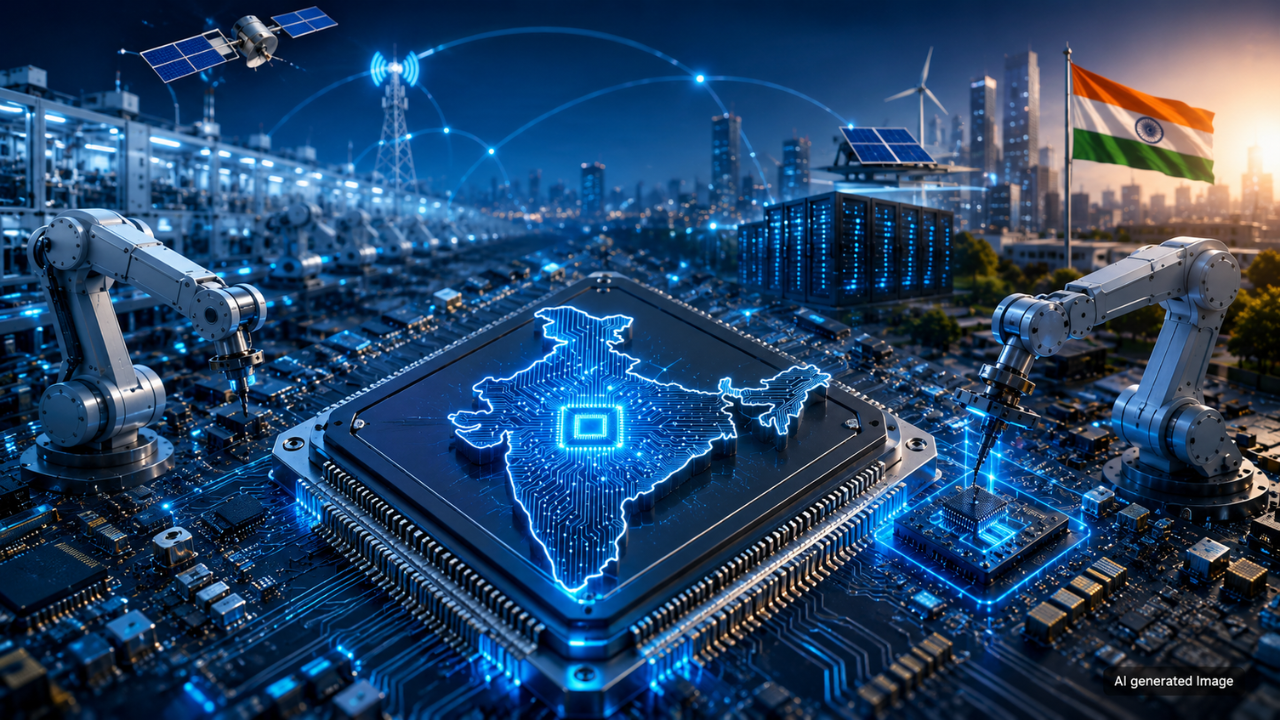
- India Semiconductor Mission 2.0: India is pushing forward with its "Semiconductor Mission 2.0," focusing on chip manufacturing, advanced packaging, EV semiconductors, and strengthening supply chain resilience. It is being closely watched as part of a global supply chain restructuring in response to the surge in AI infrastructure demand.
3. Core Industry Trends
Semiconductors
-
US Restrictions on Chinese Batteries Intertwine with Chip Supply Chain Shifts: The US energy storage market is rushing to purchase domestic lithium batteries in response to tighter regulations on Chinese-made batteries. Subsidies, tariffs, and investment screening are working in tandem with semiconductor supply chain shifts to restructure the global industrial landscape.
-
India’s Drive to Become a Semiconductor Manufacturing Powerhouse: The "Semiconductor Mission 2.0" aims to bolster capabilities in chip production and EV semiconductors, positioning India as a hub for supply chain diversification amid soaring demand and geopolitical risk.
Secondary Batteries & EVs
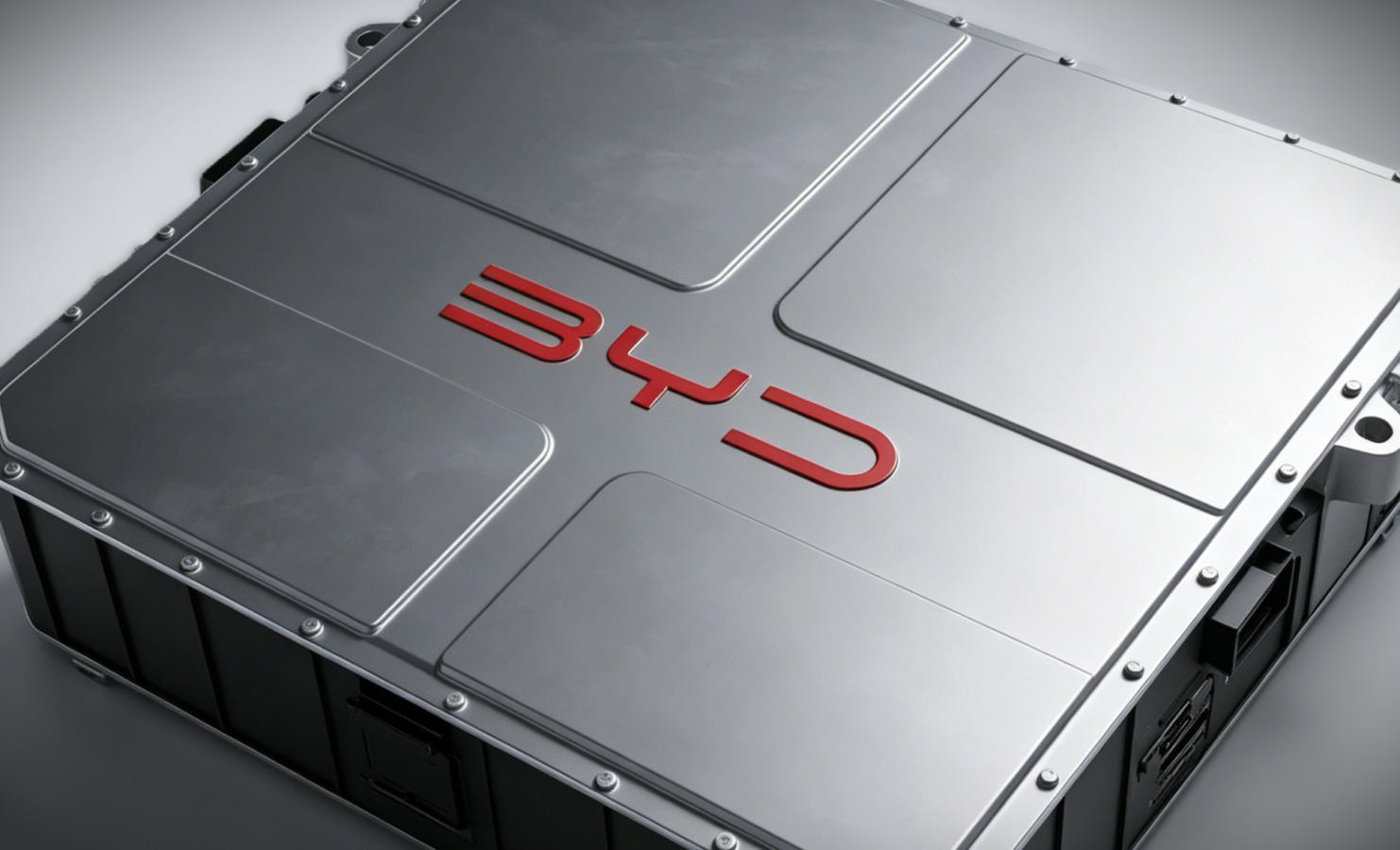
- BYD Acknowledges Battery Shortage: BYD publicly admitted that battery production is failing to keep up with the explosive demand for its flash-charge EV models. Production bottlenecks are intensifying as several flash-charge models enter the ramp-up phase.
- Strait of Hormuz Blockade Threatens Chinese EV Exports: Reuters reported that the blockade is impacting more than just oil; it is now affecting Chinese EV exports, as the transport routes for Chinese EV components and minerals fall within the affected zone.
Automotive, Shipbuilding, & Steel
-
China’s April Coal Production Down 1% Year-on-Year: As of May 18, Reuters reported a 1% slight decline in China’s coal production for April compared to the previous year, an indicator linked to the supply and demand of coking coal used in steelmaking.
-
China’s April Fossil Fuel Power Generation Up 3.1%: Fossil fuel-based power generation in China rose 3.1% year-on-year in April. This suggests robust industrial electricity demand, impacting production in power-intensive industries like steel and aluminum.
4. Corporate Moves
- HSBC: Announced a $4 billion loan plan to support the global expansion of Chinese clean tech firms. As reported by Reuters on May 18, financial support will focus on Chinese companies in the solar, battery, and EV sectors going overseas.

-
Ryanair: On May 18, Reuters reported that Ryanair anticipates no growth in summer peak season airfares due to uncertainty surrounding Iran. However, the airline noted that fuel supply risks are gradually easing, signaling that the Hormuz blockade is affecting jet fuel costs and route economics.
-
BYD: Officially acknowledged that battery supply constraints are impacting deliveries during the production ramp-up of flash-charge EV models, making the expansion of battery production capacity an urgent priority.
5. Insights
The geopolitical risk of the Strait of Hormuz blockade is clearly putting simultaneous pressure on energy, automotive, and aviation industries. With losses to global firms already exceeding $25 billion and the threat of a strike at Australia’s Inpex LNG facility, energy supply faces further uncertainty in Asia. The surge in copper prices toward all-time highs is also a result of AI infrastructure and clean energy investment demand colliding with these geopolitical risks.
On the supply chain front, China’s halt on sulfuric acid exports acts as a "chain reaction" shock for both EV batteries and fertilizer. Combined with BYD’s acknowledged battery shortages, China’s EV supply chain is facing both internal and external pressures. HSBC’s $4 billion loan indicates that financial capital is now moving to facilitate the overseas expansion of Chinese firms amidst this restructuring. Procurement managers should prioritize securing alternative sources for battery raw materials like sulfuric acid and lithium.
6. What to Watch Next
-
Australia Inpex LNG Strike (Scheduled May 27): Continue monitoring for whether the strike proceeds and the progress of negotiations, as it could impact Asian LNG spot and long-term contract prices.
-
Ripple Effects of China’s Sulfuric Acid Export Ban: Watch for disclosures and response strategies from global battery material and fertilizer producers regarding raw material supply disruptions.
-
Additional Chinese Economic Data: Following the May 18 Reuters report that China’s April industrial production and retail sales significantly missed expectations, keep an eye out for potential new stimulus measures. This is directly tied to the demand outlook for industrial metals like copper and aluminum.
7. Reader Action Items
-
Battery Material Procurement Teams: Price hikes for LFP and NCM battery cells are inevitable due to the sulfuric acid export ban. We recommend immediately checking alternative sources in Morocco, Chile, etc., and prioritizing price-lock negotiations with key suppliers.
-
Energy/Logistics Procurement Teams: In preparation for a prolonged Inpex strike and Hormuz blockade, calculate potential costs for adjusting LNG spot positions and alternative shipping routes (e.g., via the Cape of Good Hope) in advance.
-
EV/Automotive Supply Chain Managers: BYD’s battery shortage could have secondary spillover effects on OEMs heavily reliant on Chinese cells. Review battery securing plans for the next quarter and consider increasing the share of domestically produced LFP batteries (that meet US FEOC requirements).
Source Disclaimer: All figures, company names, and contract details in this briefing are cited exclusively from the original sources mentioned above. No information outside of the findings has been included.
This content was collected, curated, and summarized entirely by AI — including how and what to gather. It may contain inaccuracies. Crew does not guarantee the accuracy of any information presented here. Always verify facts on your own before acting on them. Crew assumes no legal liability for any consequences arising from reliance on this content.
Powered by
