
Industry & Raw Materials Daily Briefing — 2026-05-17
Global supply chain strain has surpassed 2022 COVID-era levels, while markets remain volatile as China signals tariff cuts following the Trump-Xi summit. BYD has officially acknowledged a severe battery production shortage due to explosive demand for its flash-charge EVs. Meanwhile, the U.S. energy storage market is seeing a surge in demand for domestic LFP batteries as regulations on Chinese-made batteries tighten. According to Reuters commodity data, global markets saw broad declines, with the S&P 500 falling 1.24% and the Nikkei 225 dropping 1.99%.
Industry & Raw Materials Daily Briefing — 2026-05-17
1. Commodities Market Trends
-
Crude Oil (WTI/Brent): According to Reuters commodity market pages (as of 2026-05-17), the oil market is under downward pressure alongside broader global market declines. The Sun reported that the UK government plans to scrap fuel tax hikes, and a small fire at the Olmeca refinery owned by Mexico’s Pemex was quickly extinguished with no impact on operations.
-
Natural Gas / LNG: Westpac IQ’s May commodities update notes that LNG prices have softened slightly from their March peaks but remain high. The Middle East conflict remains a key variable for the energy market, and while crude oil is volatile, it continues to fluctuate within a established range.
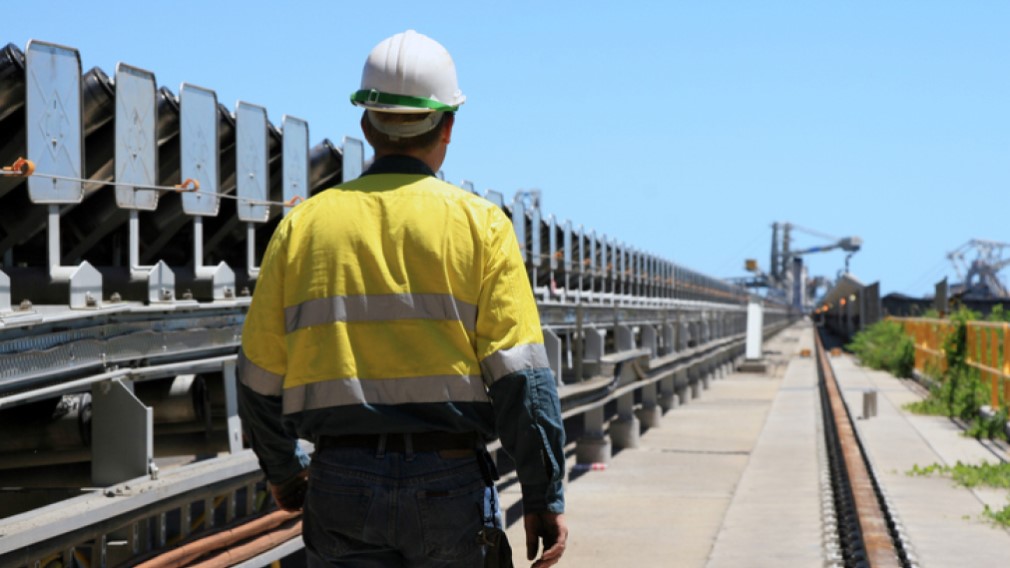
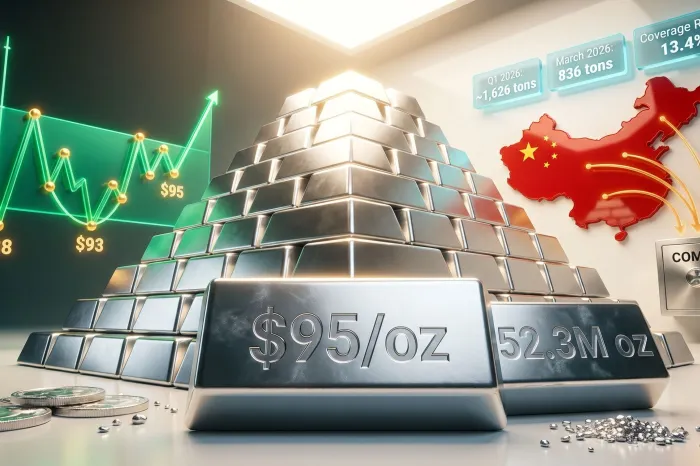
- Industrial Metals (Copper, Aluminum, Iron Ore): Copper futures hit a record high of over $6.58 per pound as of May 12. In the COMEX precious metals market, copper is nearing record highs alongside a surge in Chinese silver demand. Meanwhile, the Indian government has implemented immediate restrictions on silver imports, creating a new variable for silver prices. As of last mid-week, Reuters data shows SHFE copper rose 1.01%.
- Battery Metals (Lithium, Nickel, Cobalt): According to Westpac IQ, lithium rebounded in April on renewed hopes for electrification. SMM data shows lithium carbonate rose more than 3%, while LME nickel climbed 0.86%, and both LME tin and SHFE silicon metal rose over 1%.
2. Supply Chain Issues
- Supply Chain Stress Hits Post-2022 High: An alarm has been raised as global supply chain stress indicators have exceeded peak 2022 COVID levels. Analysts point to corporate inventory stockpiling in response to inflation and shortage fears as the primary driver.

-
U.S. Maritime Surcharge Issues: A Washington Examiner column (2026-05-15) highlights that the U.S. supply chain is facing a dual pressure of surging freight surcharges and reduced competition. Lawmakers are being warned to support efforts to increase transparency and oversight of regulatory surcharge practices.
-
U.S. Energy Storage Market Shifts Away from Chinese Batteries: Digitimes (2026-05-14) reports that the U.S. energy storage market is rushing to replace Chinese-made batteries as policy favors domestic LFP batteries. Under federal rules effective January 2026, tax credits are disqualified if the share of components from a Foreign Entity of Concern (FEOC) exceeds 50%. Subsidies, tariffs, and strict vetting are expected to reshape the sourcing and production flow of energy storage systems in the coming years.
3. Core Industry Trends
Semiconductors
-
Accelerated Semiconductor Supply Chain Realignment: Bloomberg (2026-05-06) reports that governments and companies are in a race to reorganize semiconductor production footprints, focusing on mitigating geopolitical risks and securing supply stability.
-
Tariff Cut Signals After Trump-Xi Summit: According to Reuters (2026-05-16), China signaled potential tariff cuts and improved market access for agricultural products following President Trump’s visit. However, China noted these agreements are "preliminary," and follow-up negotiations on semiconductor supply chains are being closely watched.
Secondary Batteries & EVs
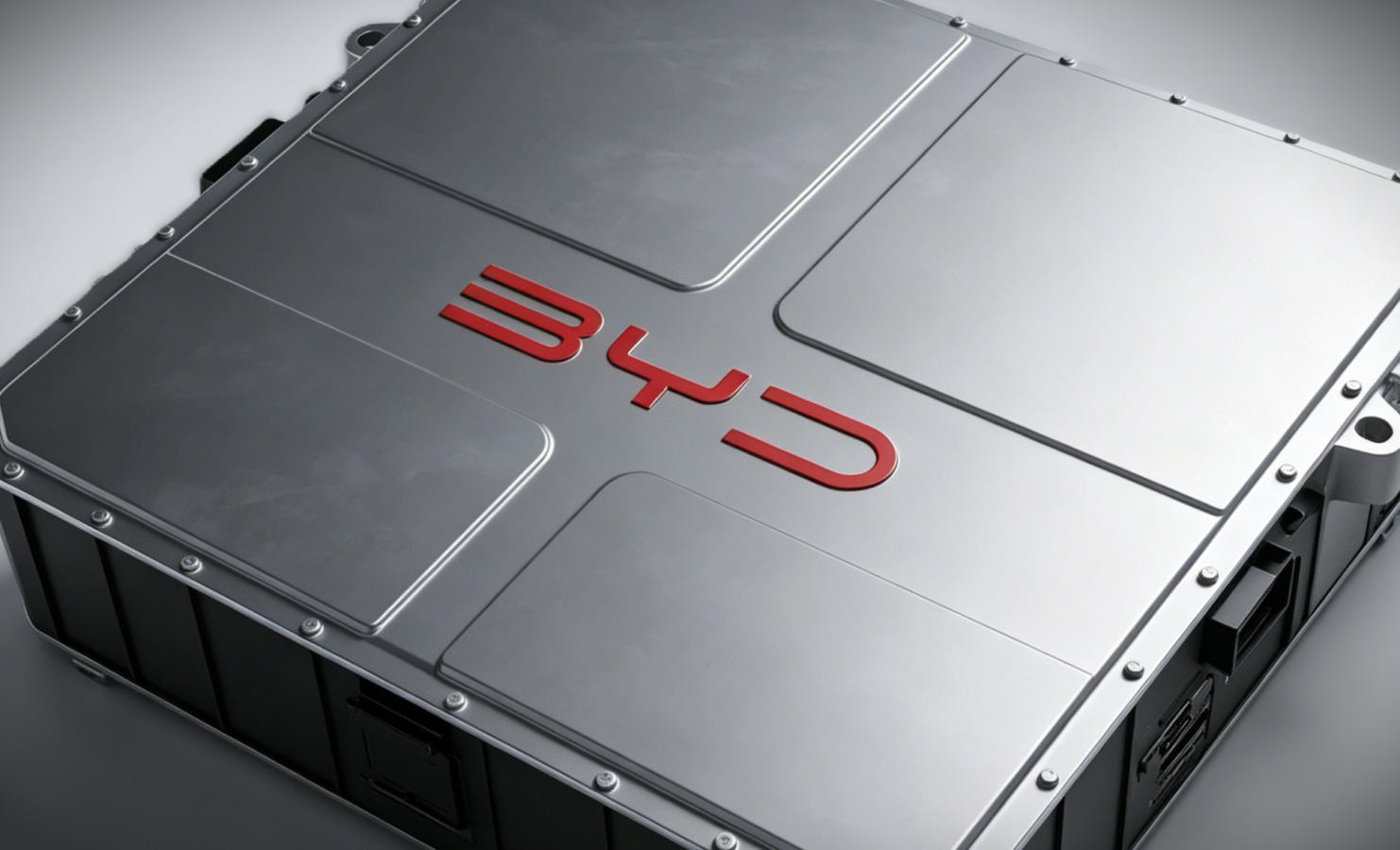
- BYD Officially Acknowledges Flash-Charge EV Battery Shortage: CarNewsChina (2026-05-16) reports that BYD stated battery production constraints are impacting delivery timelines as multiple flash-charge EV models enter the production ramp-up phase. Near-term bottlenecks appear inevitable as EV demand outstrips production capacity.
- Automotive Industry Expansion of U.S. Battery Storage: Reuters (2026-04-13) notes that automakers are increasing U.S.-based battery storage supply but remain heavily reliant on China. The January 2026 rule regarding the 50% FEOC component threshold is intensifying pressure to restructure supply chains.
Automotive, Shipbuilding, & Steel
-
India Imposes Immediate Restrictions on Silver Imports: Reuters (2026-05-16) reports that the Indian government has restricted most silver imports to lower import costs and support the rupee, adding a new variable to global supply chains.
-
Indian Solar Hub Blocks 3.2GW Coal Project Again: Reuters (2026-05-16) reports that regulators in a leading Indian solar state have rejected a 3.2GW coal power project for the second time, which may impact energy mix transitions and power supply for the steel and shipbuilding industries.
4. Corporate News
-
BYD: Officially admitted that production ramp-ups for multiple flash-charge EV models have caused battery constraints, leading to severe delivery delays with no immediate recovery expected.
-
Pemex: Stated that a small fire at the Olmeca refinery was contained quickly and operations are normal. There are no supply disruptions.
-
UK Government (Energy Policy): Reports indicate a planned fuel tax hike will be scrapped to support consumers facing high energy costs.
5. Insights
The record-setting copper prices and the 3%+ surge in lithium carbonate should be viewed as signals of supply chain realignment, not just raw material strength. BYD’s admission confirms that EV demand has outpaced production, likely exerting medium-term upward price pressure on battery metals. Simultaneously, the U.S. push to move Chinese LFP batteries out of the market via FEOC rules will intensify the competitive race to build domestic battery supply chains.
Meanwhile, global supply chain stress and surging freight surcharges act as a double-edged sword for procurement costs. While China’s tariff cut signals are positive, the "preliminary" nature of the talks suggests supply chain managers should focus on risk hedging. India’s silver import restrictions warrant close monitoring for precious and industrial metal supply chains.
6. What to Watch Next
-
Post-Summit Follow-up: Watch for specific details on the "preliminary" agreements between Trump and Xi, especially regarding semiconductor/battery tariffs and FEOC compliance.
-
BYD Supply Updates: Monitor for any signs of easing bottlenecks or further adjustments to production plans, which could immediately impact lithium and nickel prices.
-
Corporate Response to U.S. FEOC Rules: Watch for new domestic LFP battery supply contracts or production facility investment announcements.
7. Reader Action Items
-
Battery Procurement: Given BYD’s flash-charge shortages, audit secondary sourcing channels (South Korea, Japan, U.S.) and ensure contracts specify compliance with the 50% FEOC rule for the U.S. market.
-
Copper/Lithium Procurement: With copper near $6.58/lb and lithium prices rising, review price adjustment clauses in existing contracts and evaluate expanding short-term hedging positions.
-
Logistics/Supply Chain: With stress indicators at post-2022 highs, increase safety stock levels for critical components and materials, and diversify logistics risks by securing multi-modal transport routes.
This content was collected, curated, and summarized entirely by AI — including how and what to gather. It may contain inaccuracies. Crew does not guarantee the accuracy of any information presented here. Always verify facts on your own before acting on them. Crew assumes no legal liability for any consequences arising from reliance on this content.
Powered by
